LAX. architectural rendering.
/

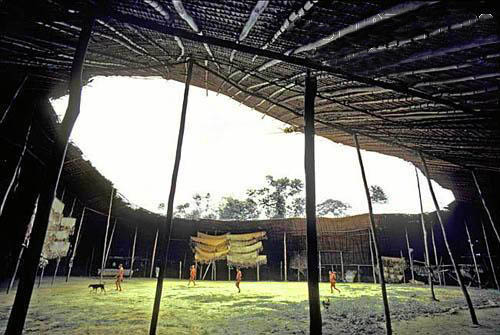
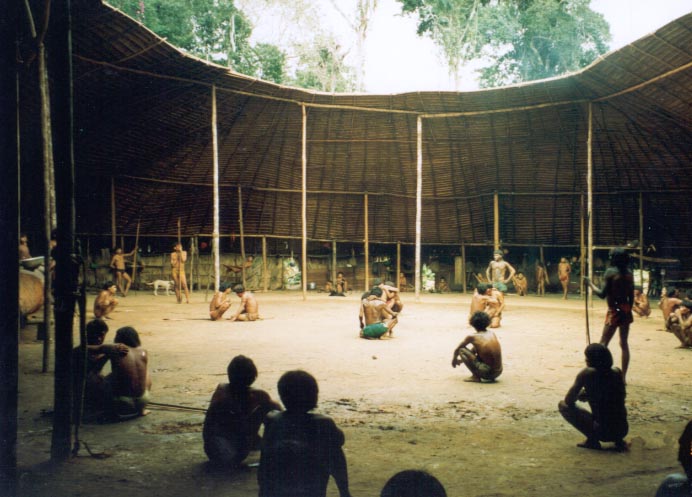
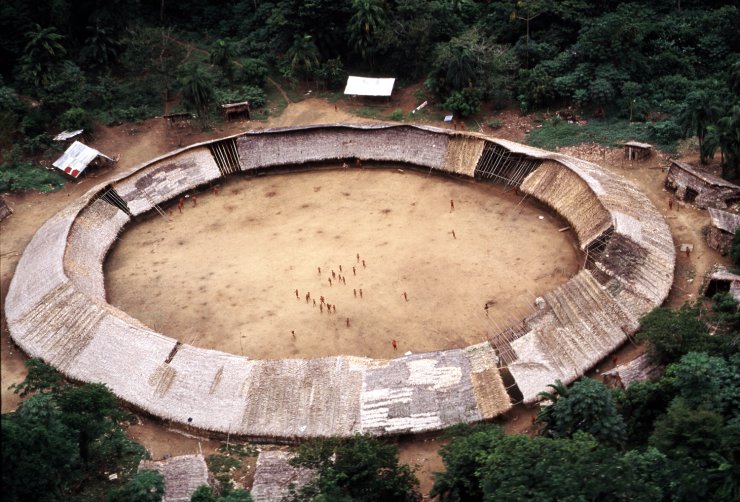
Shabono structures by the Yanomami
From southern Venezuela and northern Brazil, the Yanomami built Shabonos as temporary dwellings for the whole community. Built using thatched palm leaves and wood these structures were built in clearings in the jungle. Each family would have their own personal area within the Shabono.
/
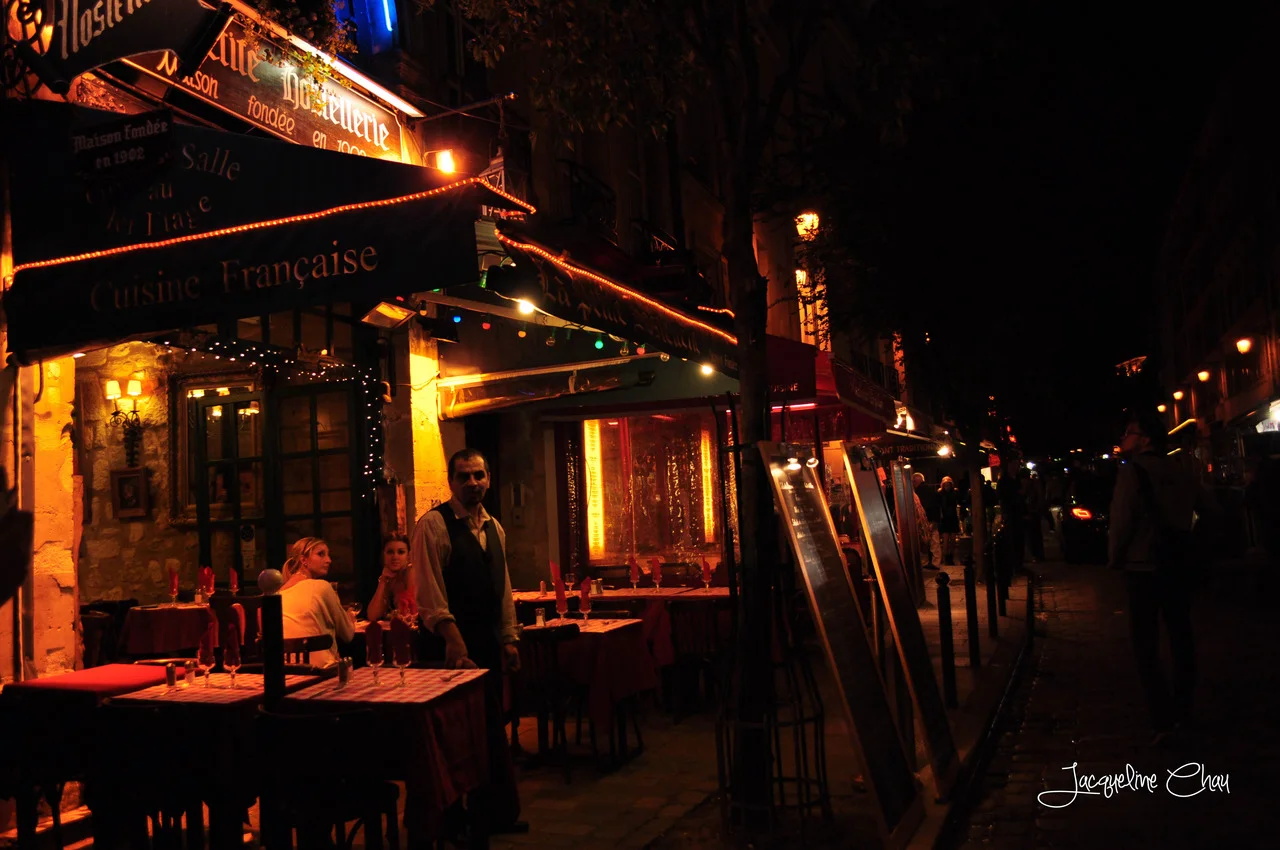
Streetside cafe in Paris.
/
/

/
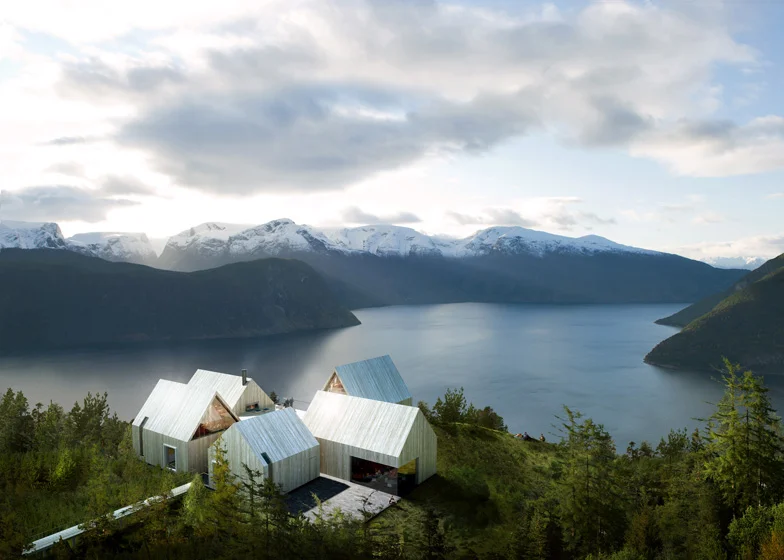
a swimming pool, spa, cinema and games room will be hidden in the rock beneath the main cluster of buildings at this Norwegian hunting lodge and hotel by London architects Haptic.
/

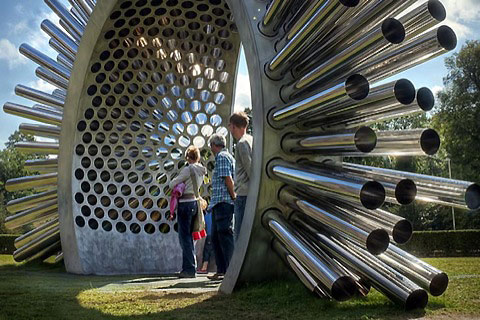
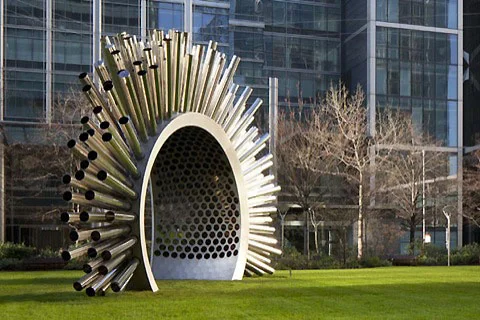
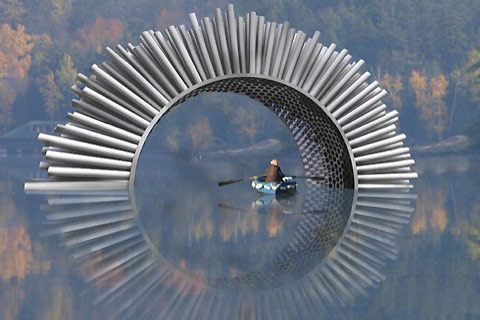
The Aeolus Acoustic Wind Pavilion is a wind-singing metal sculpture by Bristol-based artist Luke Jerram that lets windy gusts and breezes find their capacity for articulation. Using no electrical power to assist the melody-making, nylon harp strings are attached to some of its tubes, diverting wind into the centre of the work to create sound. Even the unstrung tubes are tuned to an aeolian scale to hum at low frequencies.
/
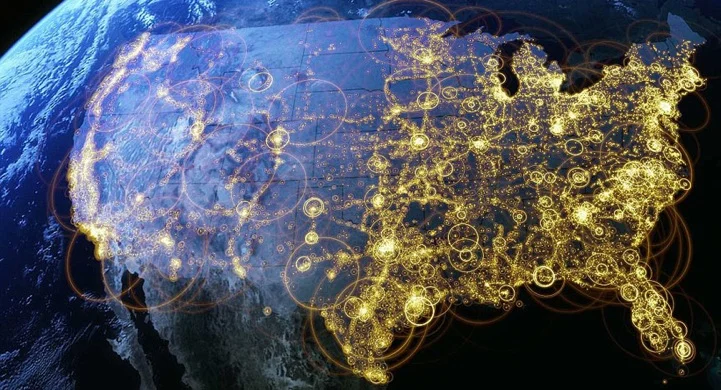
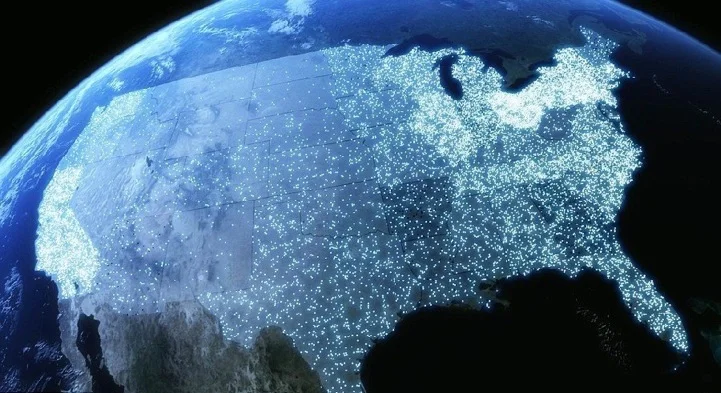

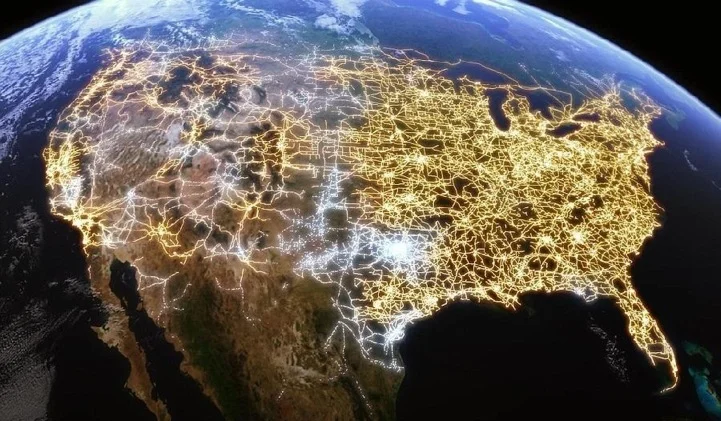


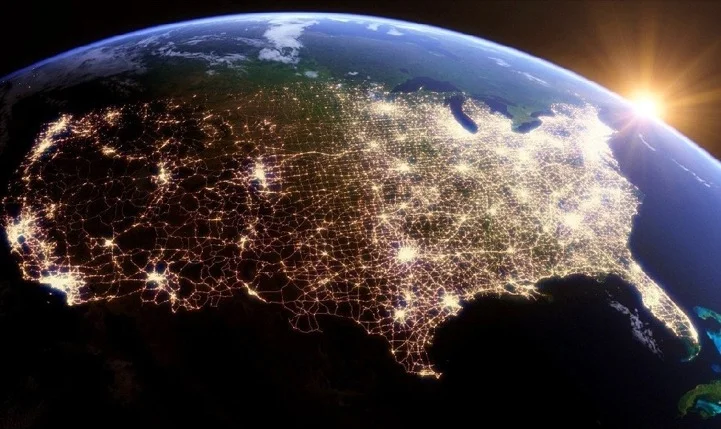
- Visualization of internet distribution;
- The pinpointed distribution of the unemployed;
- Domino’s Pizza’s raw ingredients’ delivery routes in the Northeast;
- U.S. electricity network routes;
- Traced paths of deceased bodies being transported to their hometowns;
- U.S. imports and exports of beef;
- All the people in America’s towns and cities.
Full episodes of the series can currently be viewed online for U.S. residents only.
/
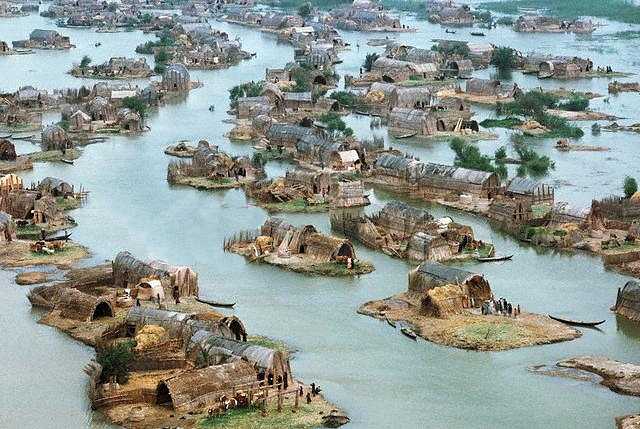
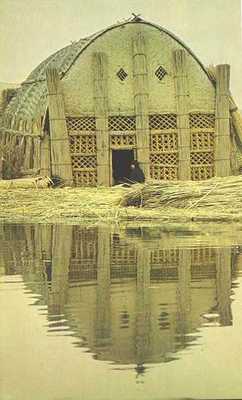
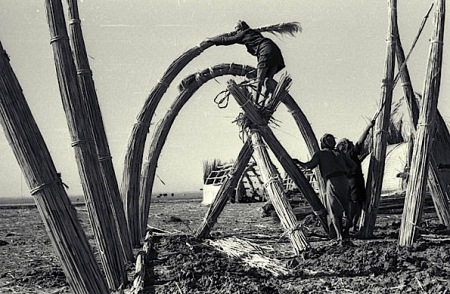

Ma-Adan - Iraq
The marsh dwellers have populated the Edenic wetlands for almost 5000 years. They were an almost completely self sufficient community with the marshes producing everything they needed to survive. Sturdy reeds reaching 20 feet became raw material for homes, baskets and boats, while tender reed shoots provided plentiful forage for water buffalo, who provided milk and dung, used as fuel for fires.
The marsh-dwelling people who in the 1950’s numbered about half a million people, have now dwindled to as few as 20,000 in Iraq. The Edenic wetlands that once gave refuge to a rich variety of wildlife have become lifeless, nearly waterless, salt-encrusted mudflats, since Saddam ordered the water source to be cut off just before he lost power. Today the Eden Again Project is attempting to release water back into the marshes, with the hope that the communities will return to their original site.
/
/

/

Kabul, Afghanistan
/
/
/
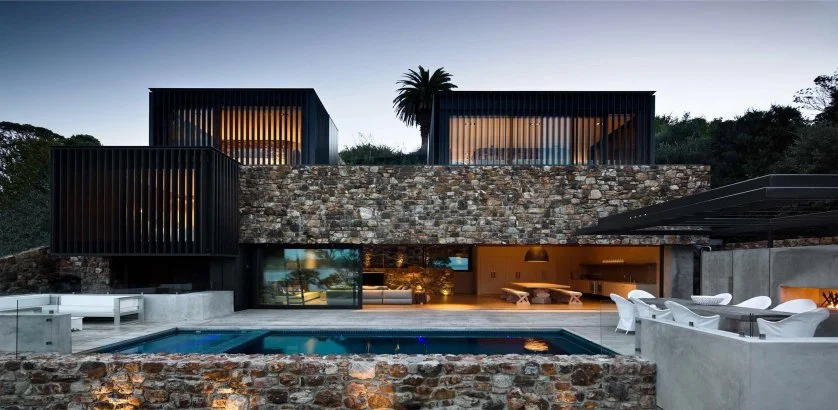
Local Rock House …see more on Architizer
/
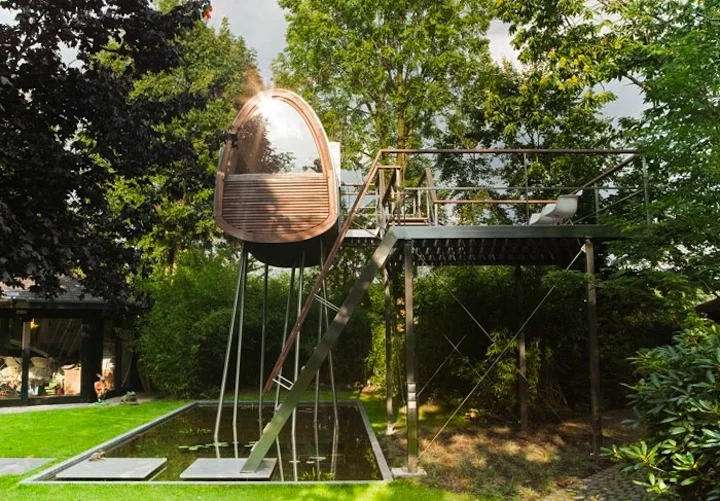
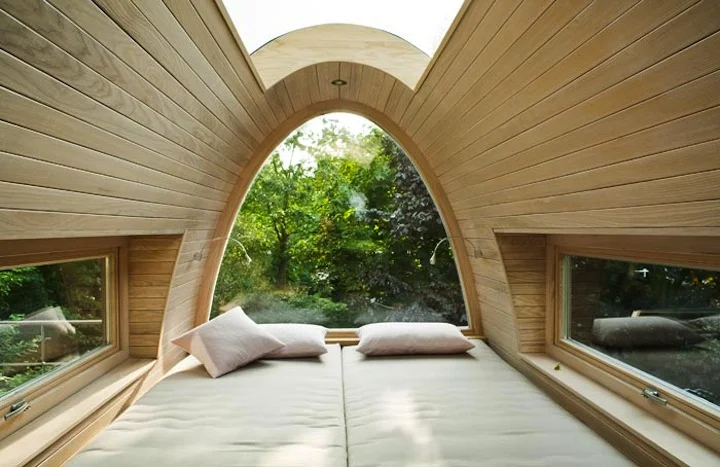
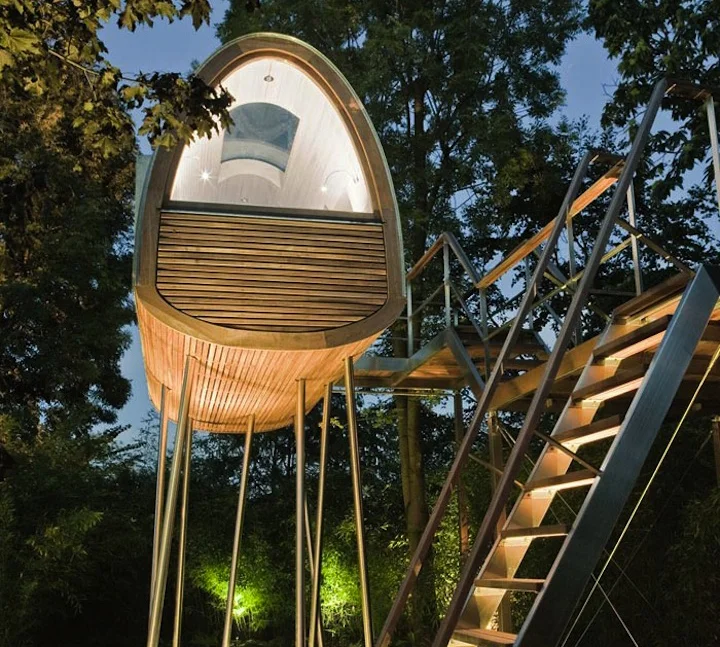
/
/
/
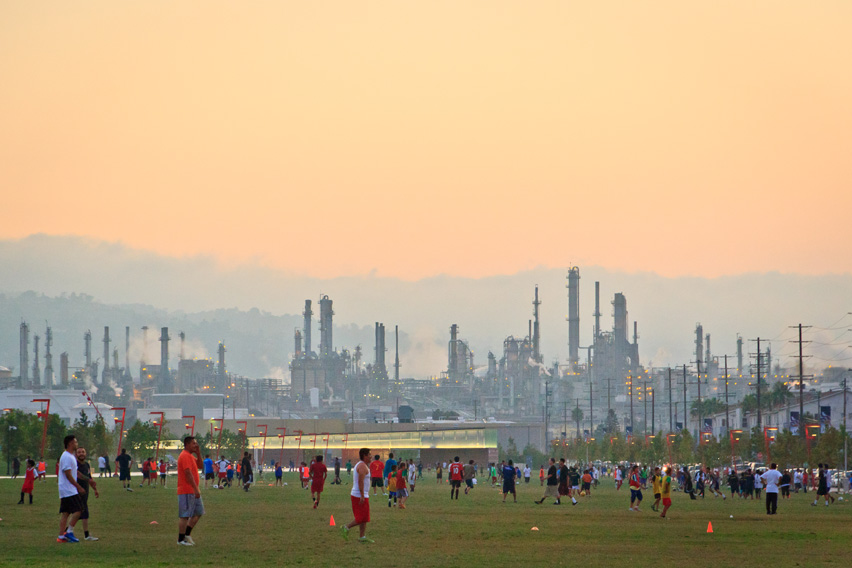

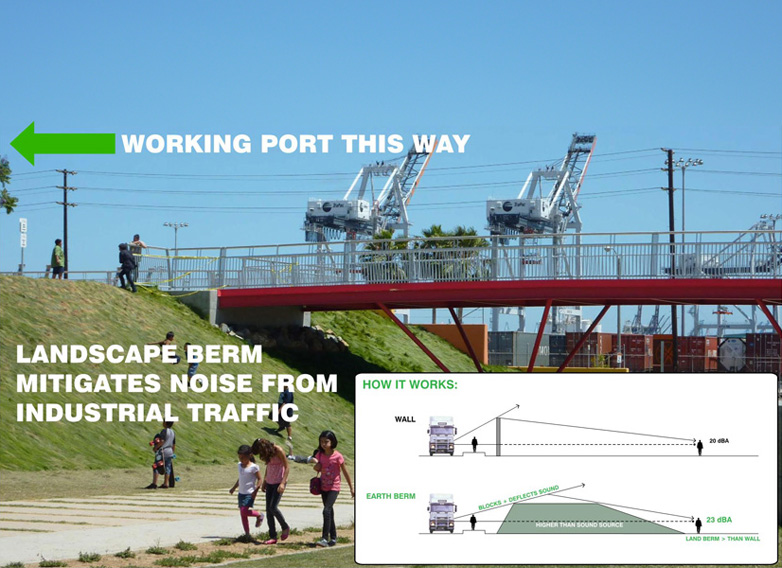
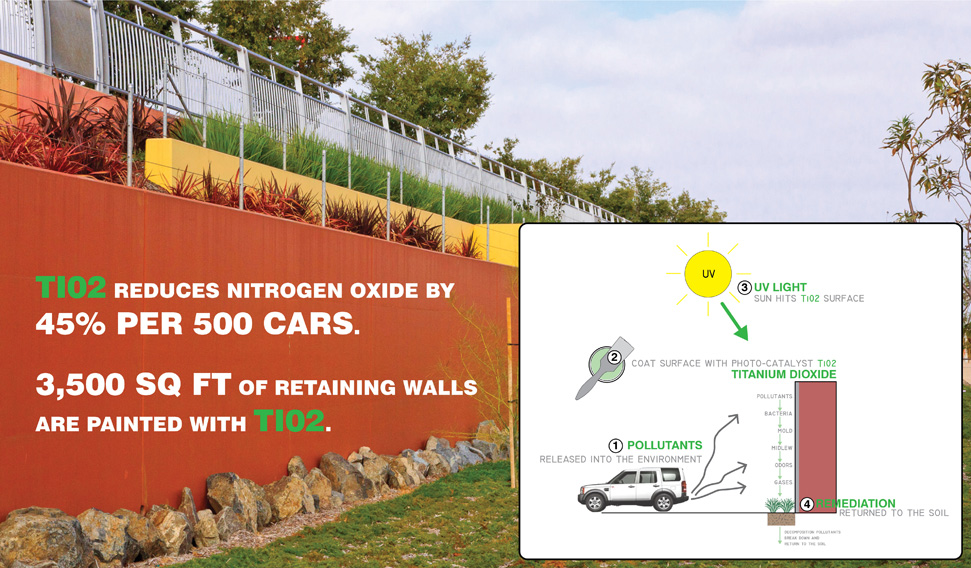

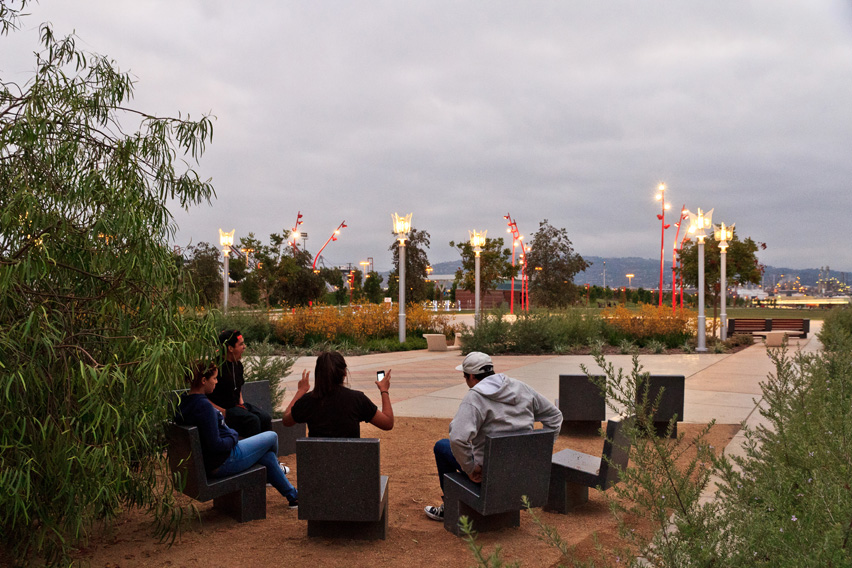

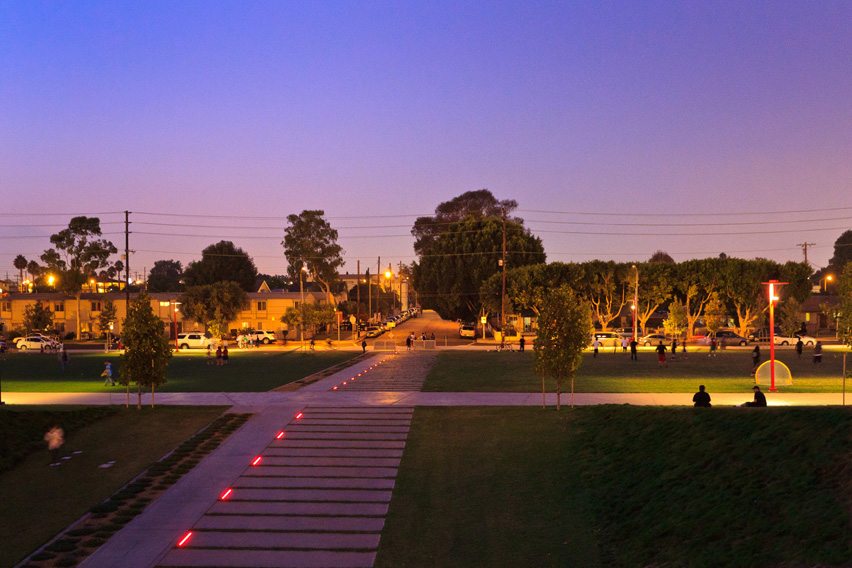
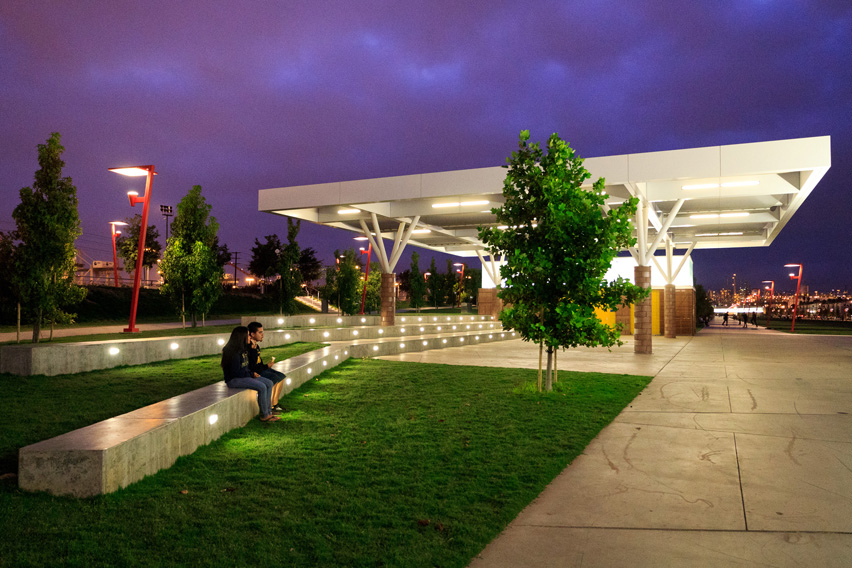
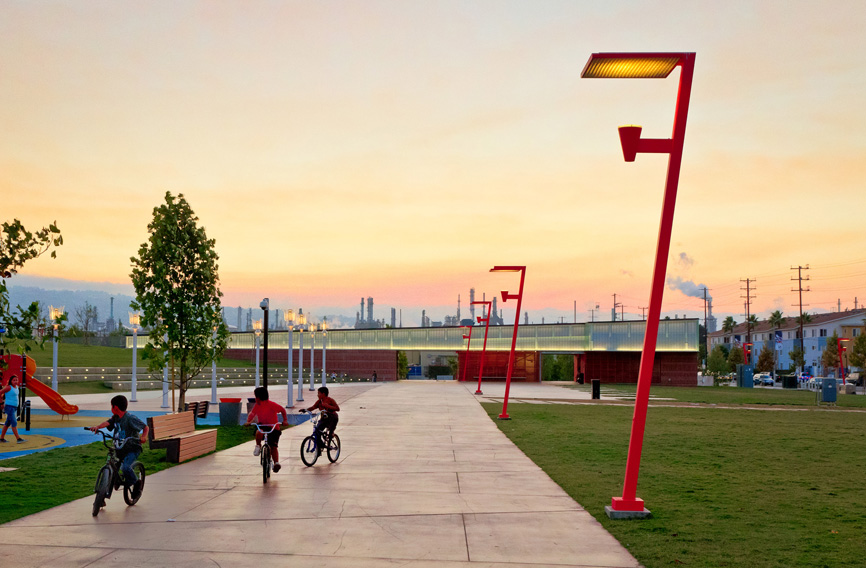
Sasaki Associate’s Willmington Waterfront Park in Los Angeles. In their words:
Once a part of the Pacific coastline, the Wilmington community became disconnected from the waterfront by the Port of Los Angeles—a burgeoning, diverse mix of industrial maritime facilities. After completing the Wilmington Waterfront Master Plan, Sasaki identified three open spaces for implementation: the Wilmington Waterfront Park, the Avalon North Streetscape, and the Avalon South Waterfront Park. The Wilmington Waterfront Park is the first project to be fully implemented. Built on a 30-acre brownfield site, the new urban park revitalizes the community and visually reconnects it to the waterfront. The park integrates a variety of active and passive uses—informal play, public gathering, community events, picnicking, sitting, strolling, and observation—determined through an extensive community outreach process. The open space serves as a public amenity by doubling the current community open space while also buffering the Wilmington community from the extensive port operations to the south.To see more photos, visit sasaki’s project profile.