(via ulteriorprojects)
/
(via ulteriorprojects)
/
(via ulteriorprojects)
/
(via ulteriorprojects)
/
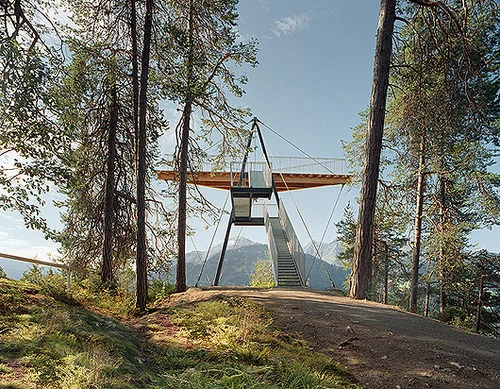
(via ulteriorprojects)
/
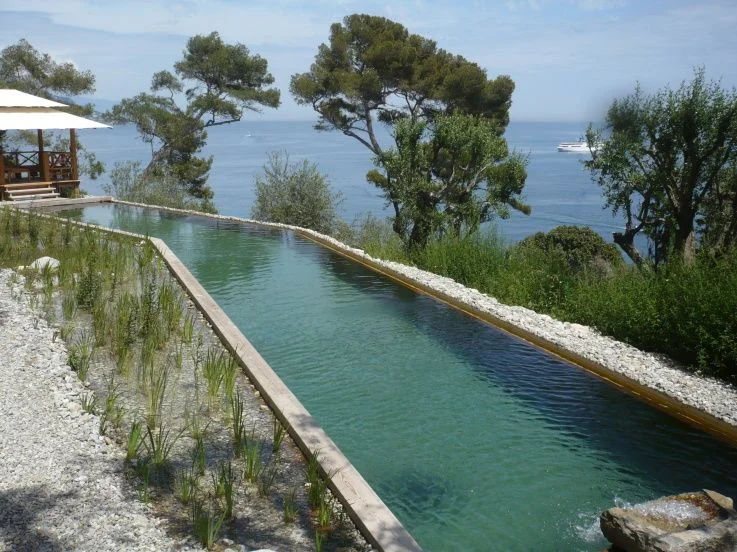
(via ulteriorprojects)
/
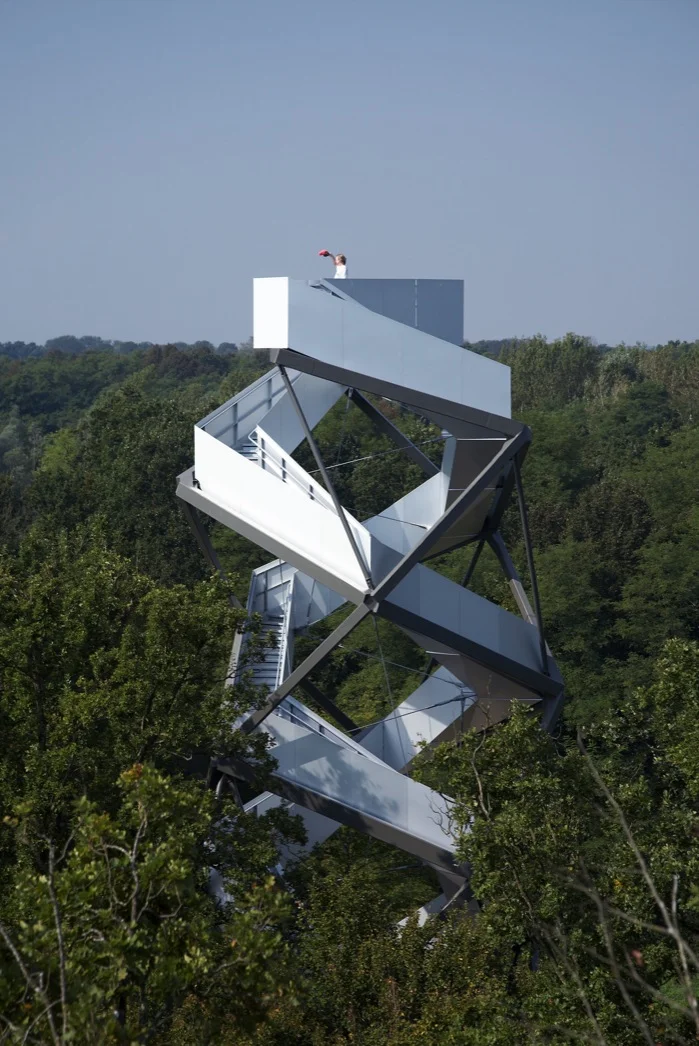
(via ulteriorprojects)
/
(via ulteriorprojects)
/
(via ulteriorprojects)
/
(via ulteriorprojects)
/
(via ulteriorprojects)
/

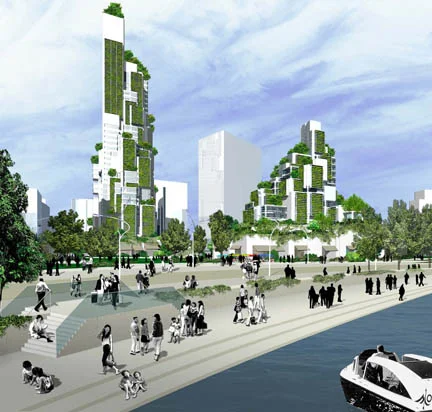
Shanghai Main Station District Masterplan
Credits: Michael Sorkin,
Makoto Okazaki, Mitchell Joachim,
Maria Aiolova, Yanqing Sun,
Melanie Fessel, Yu Ping Hsieh,
Andrei Vovk, Glen Barfield
“Our urban design master plan, commissioned by the municipality, is for a 77 hectare site in the Zhabei district of Shanghai. The rapidly developing area includes the city’s northern train station - a major hub - and is bordered by the Suzhou river, one of Shanghai’s great neglected assets. This scheme seeks to “com?plete” the district by reclaiming its waterfront; by retaining the vanishing small-scale com?mercial character of its historic fabric; by providing for a rich mix of uses; by adding a thick layer of green and sustainable interven?tions; by specifying the forms and densities of new buildings and street-scapes; and by developing a rich texture of public spaces”
/
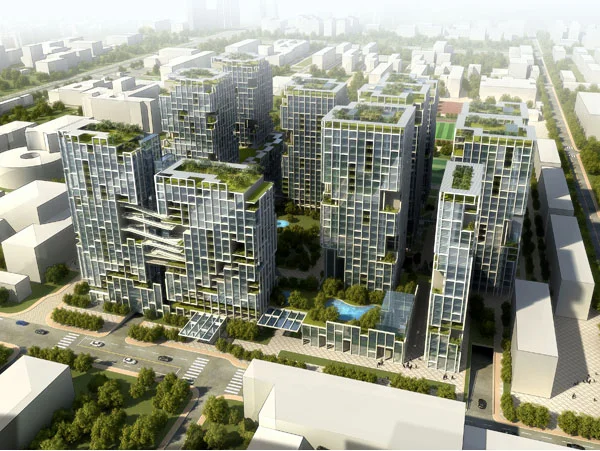
BOSHUO PARK PROJECT OF HEBEI POLYTECHNIC UNIVERSITY
MASTERPLAN
Credits: Michael Sorkin,
Makoto Okazaki, Luoyi Yin
Ryan Culligan, Qi Su
We have drawn inspiration for this project both from our love of the special environment of the university campus and from our wish that the project represent the modernity of an institution pushing the boundaries of contemporary technology. We have also been moved to incorporate certain images of long fascination: the grouping of mountains so central to Chinese artistic expression – which we have incorporated in the arrangement of buildings and in a series of “crystal mountains” distributed around the site, and also the elegant patterning of traditional chuang windows and denglong lanterns. These are wonderfully subtle representations of orthogonal geometry and they have helped inspire the forms of our architecture. Balancing this right angle configuration, however, we have – imitating mountains – covered the buildings with greenery and – at ground level – created a more sinuous landscape for movement and relaxation.
Goals of the Plan
- Maximize views.
- Maximize natural ventilation.
- Maximize greenery in apartments, buildings, and on site.
- Create many collective social and recreational spaces.
- Create an intricate yet legible pattern of circulation.
- Mix uses to create a sense of convenience and community.
- Create open spaces within the site at different scales and degrees of privacy.
- Separate vehicular and pedestrian/bicycle routes.
- Offer a lively street frontage on TK boulevard.
- Give the university an architectural landmark befitting its growing prestige.
/
(via ulteriorprojects)
/
(via ulteriorprojects)
/
/
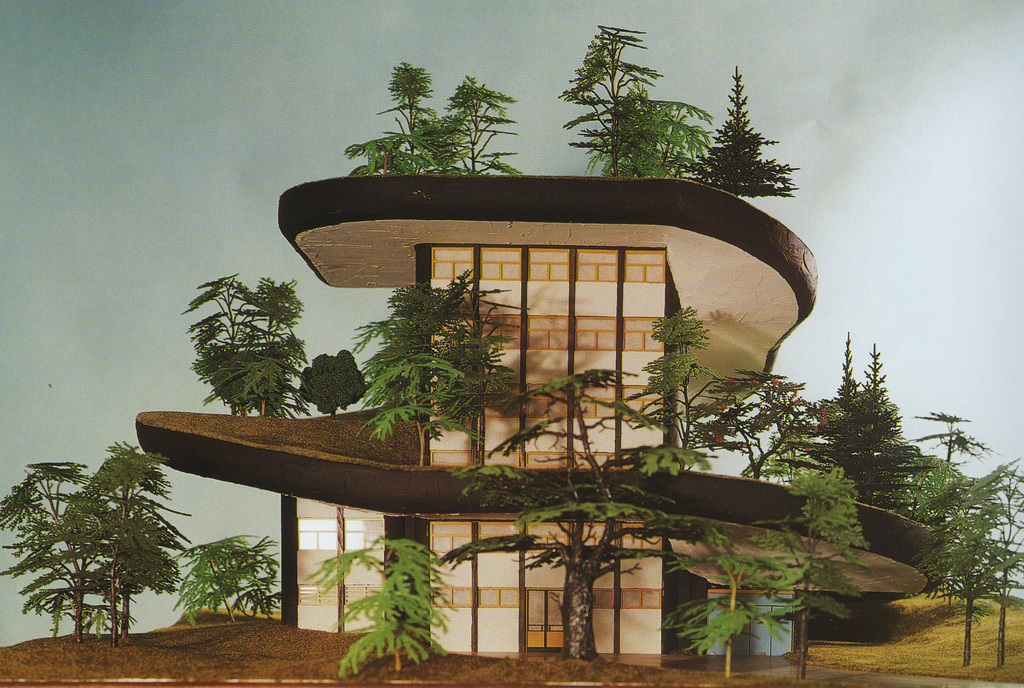
Friedensreich Hundertwasser was an Austrian painter and architect. His floridly patterned works with their haunting and rich colors are dependent on the decorative tradition that produced Art Nouveau. He was fascinated with spirals, and called straight lines “the devil’s tools”. He called his theory of art “transautomatism”, based on Surrealist automatism, but focusing on the experience of the viewer, rather than the artist. The luxurious, sinuous forms and expressive distortions affiliate him to figurative artists such as Klimt and Schiele. Hundertwasser’s subject-matter modified these stylistic sources and was often influenced by his great interest in a sane environment expressed as a stable relationship between man, the built world and nature. He traveled widely and developed a pictorial vocabulary unspecific to any place or time. The decorative and technical opulence of his work made him a controversial figure with the critics, while assuring him a large popular following. ( via )
/
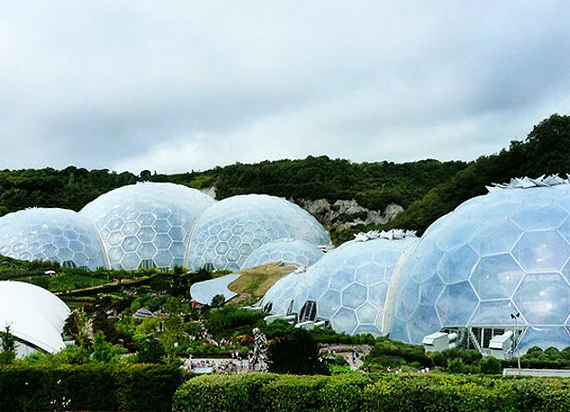
Free fruit maps /
 L
L

The LA-based collective Fallen Fruit is invested in investigating and building ideas of urban communities, particularly in relationship to (or through) fruit. They’ve hosted jam-making sessions, created maps of fallen, public fruit, among other edible and educational projects. Currently they’re working with the Los Angeles County Museum of Art to produce EATLACMA, a year-long exploration and intervention of art and food politics.
/

rocker lange architects: fashion museum omotesando