
SolTech Energy integrates solar, beautifully
Nothing says “afterthought” like a rectangle of solar panels slapped onto the roof of a house with no visual relationship with the rest of the structure. Swedish company SolTech Energy brings solar in a different direction with their roofing tiles, made from ordinary glass in the shape of (gasp) ordinary roofing tiles. Why has no one thought of this sooner?
The attractive tiles—which heat pockets of air that in turn heat water—were named “Hottest New Material 2010” by a Swedish construction industry magazine that, frankly, you’ve never heard of, but the proof’s in the pudding; stack these up next to any other roof-based solar system and tell us which looks better.
via inhabitat
/
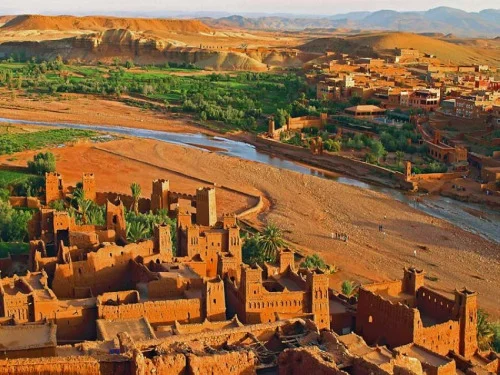
Ait Benhaddou, Morocco
/
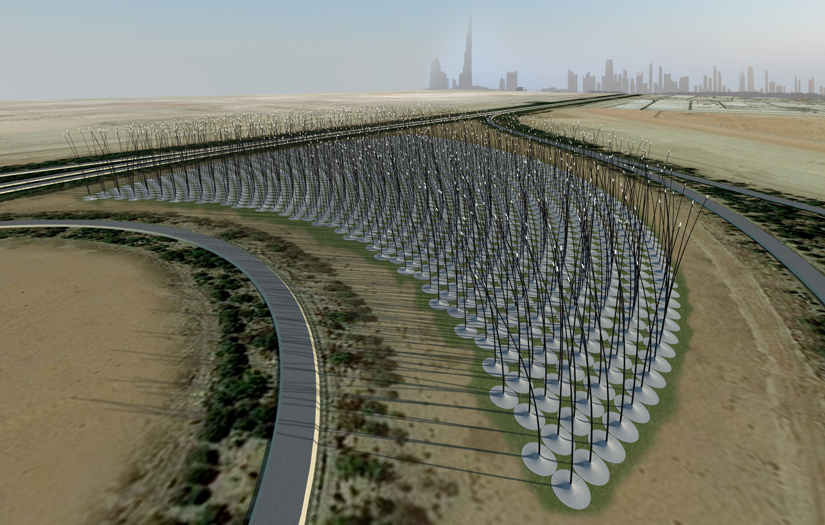
“The proposed design calls for 1,203 “stalks,” each 180-feet high with concrete bases that are between about 33- and 66-feet wide. The carbon-fiber stalks, reinforced with resin, are about a foot wide at the base tapering to about 2 inches at the top. Each stalk will contain alternating layers of electrodes and ceramic discs made from piezoelectric material, which generates a current when put under pressure. In the case of the stalks, the discs will compress as they sway in the wind, creating a charge.”
(via Wind Power Without the Blades: Big Pics : Discovery News)
/
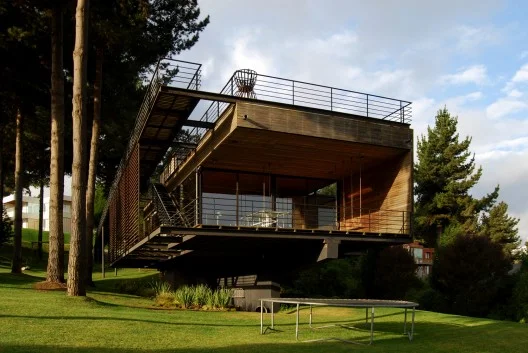
Casa Reutter by Architect Mathias Klotz
/
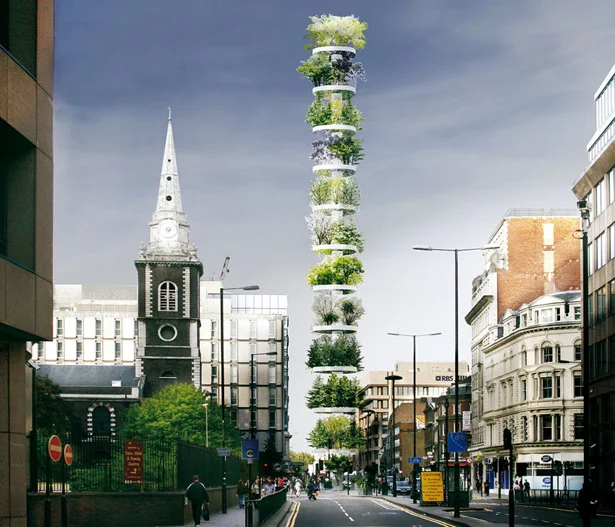
Sou Fujimoto - Proposal for a new landmark, Aldgate 2010. Via.
/

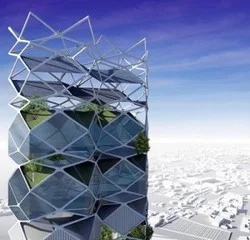
Architectural Studio MAD Architects from China has developed the project called “URBAN Forest”, which became a logical continuation of the mountainous landscape of the country. This construction is designed as a cylindrical skyscraper made from multiple floors of different shapes and sizes which have been layered slightly off-center from one another. Each floor has a large glass gallery, which is very convenient to overlook the city panorama. Very spectacular idea but at the same time it’s interesting when this skyscraper will be built.
/

/
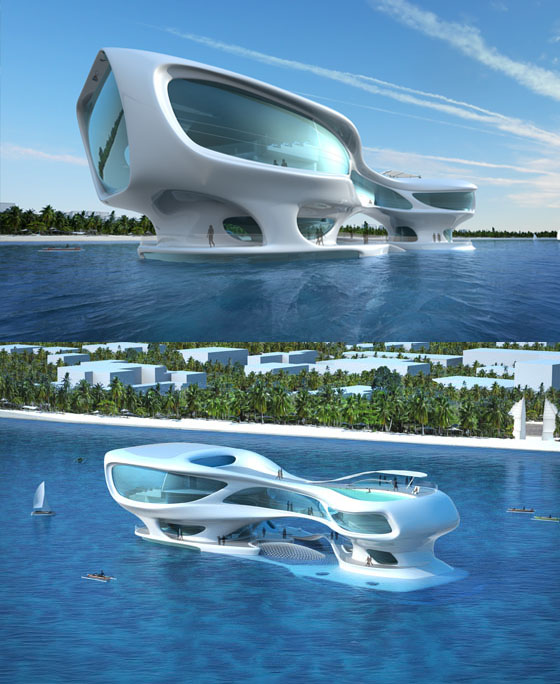
With a design inspired by the structure of an ensuing tsnumai wave, this off-shore research center was an entry for a competition co-sponsored by Arquitectum and Universitas Pelita Harapan in Indonesia. Still feeling the aftereffects of the 2004 Indian Ocean tsunami which devastated countless communities, the competition was initiated to address the need for tsunami research and the development of effective disaster relief measures.
/
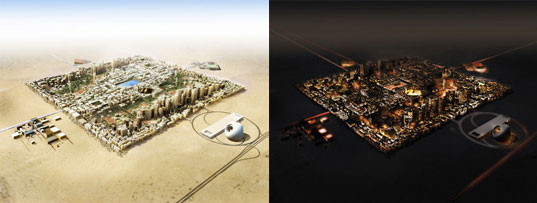
2020:
New desert eco-cities: Ras al Khaimah in the United Arab Emirates, designed by Rem Koolhaas’s OMA office (above), and Masdar City, twenty miles outside of Abu Dhabi, by Foster + Partners ~ “the world’s first zero-carbon and zero-waste city”. via pdsmith
/
/
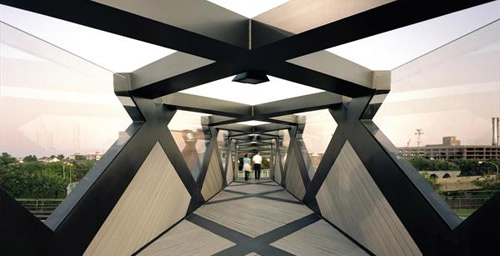
Cecil Balmond’s Weave Bridge at University of Pennsylvania. Image © Architect Magazine.
OMA & Cecil Balmond’s CCTV Headquarters in Beijing.
Arguably the best structural engineer of contemporary times (re: Maison a Bordeaux, CCTV, the Pompidou Center), Cecil Balmond, is opening his own office after 40 years with Arup (where he headed the coolest-sounding department ever: “Advanced Geometry Unit”). Read more from our Daily Brew, here.
[via the Architectural Record]

/
/
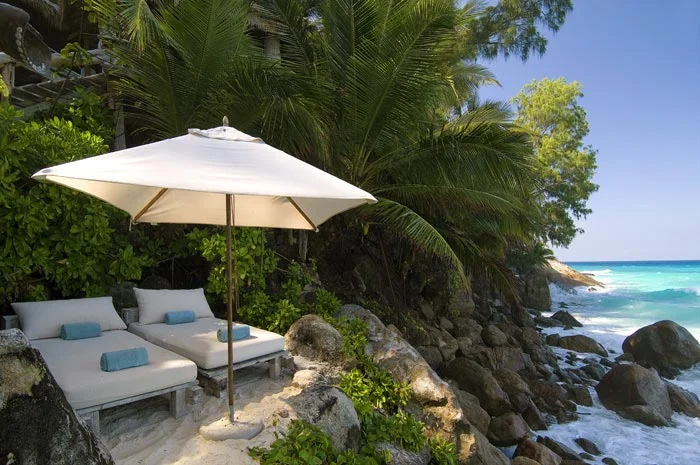
| ♕ | Southern island comfort
(via artsandletters: posted sweetsurrender68)
/

Marine Research Center, Indonesia / solus4
Three major events generate tsunamis; meteors, landslides, and large earthquakes. Underwater earthquakes—the most common type in Indonesia—with epicenters close to coast lines, form the conceptual basis of the architectural proposal. It uses the initial elliptical pattern and cross section diagram of the tsunami wave, one of the main focus of the centre’s research and prevention efforts, as the morphology generators and guides of programmatic organization. The design is both aesthetically imposing and seamlessly integrated into its aquatic natural environment. The result is a very fluid structure with an immediate and direct visual connection to the exterior. The center will serve not only as an architectural icon for Bali but also as an international model for modern sustainable design with its use of on-site renewable energy resources through its integration of such technologies as tidal wave energy generation, natural ventilation, rain water collection, passive solar energy, low E glass, and high reflectance fiber glass materials.
Where? /


/
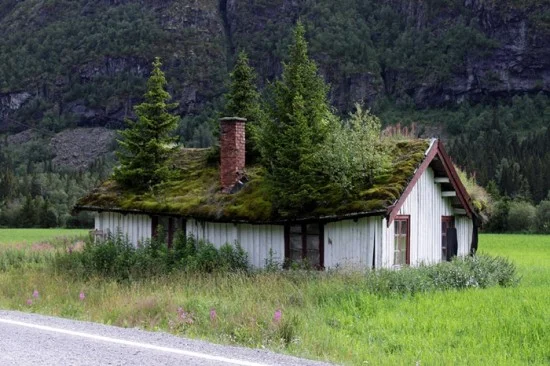
Norwegian roof trees! Eat your heart out, Carraba’s Italian Grill.
Source: Recyclart
/

/
(via stijndamiaan & 24may)
/

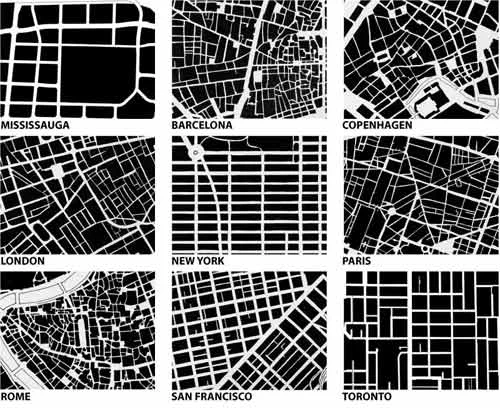
(via pedshed)
