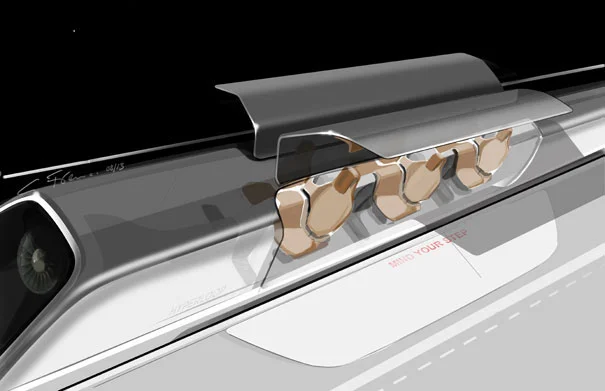
Almost a year after Elon Musk, chief executive of Tesla Motors (TSLA) and SpaceX, first floated the idea of a superfast mode of transportation, he has finally revealed the details: a solar-powered, city-to-city elevated transit system that could take passengers and cars from Los Angeles to San Francisco in 30 minutes. In typical Musk fashion, the Hyperloop, as he calls it, immediately poses a challenge to the status quo—in this case, California’s $70 billion high-speed train that has been knocked by Musk and others as too expensive, too slow, and too impractical.
In Musk’s vision, the Hyperloop would transport people via aluminum pods enclosed inside of steel tubes. He describes the design as looking like a shotgun with the tubes running side by side for most of the journey and closing the loop at either end. These tubes would be mounted on columns 50 to 100 yards apart, and the pods inside would travel up to 800 miles per hour. Some of this Musk has hinted at before; he now adds that pods could ferry cars as well as people. “You just drive on, and the pod departs,” Musk told Bloomberg Businessweek in his first interview about the Hyperloop.
… Musk has built his entrepreneurial career attacking businesses he deems inefficient or uninspiring. He co-founded PayPal in a bid to shake up the banking industry, then used the fortune he made selling the startup to eBay to fund equally ambitious efforts in transportation. Tesla Motors, for example, has created the highest-performing, highest-rated all-electric car and a complementary network of charging stations scattered around North America. Meanwhile, SpaceX competes against entire nations in the market to send up satellites and resupply the International Space Station.
In the case of the Hyperloop, Musk started focusing on public transportation after he grew disenchanted with the plans for California’s high-speed rail system. Construction on the highly political, $70 billion project is meant to begin in earnest this year, with plans to link cities from San Diego to Sacramento by 2029. “You have to look at what they say it will cost vs. the actual final costs, and I think it’s safe to say you’re talking about a $100 billion-plus train,” Musk says, adding that the train is too slow and a horrendous land rights mess.
/

Ecohabs - Sierra Nevada de Santa Marta, Colombia
Source
/

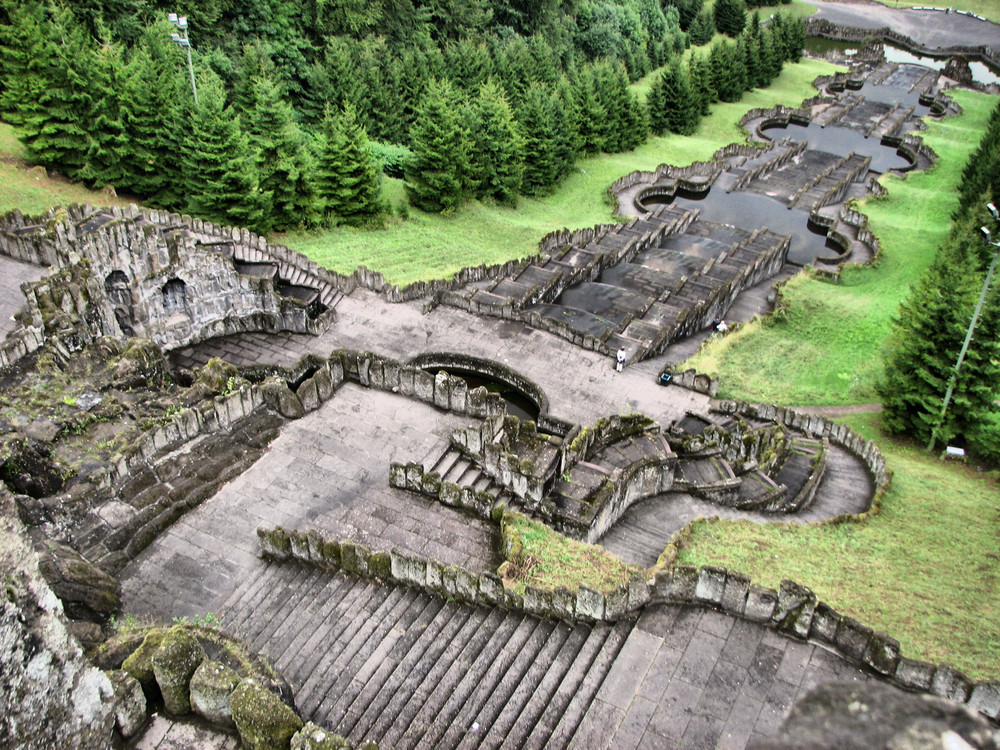

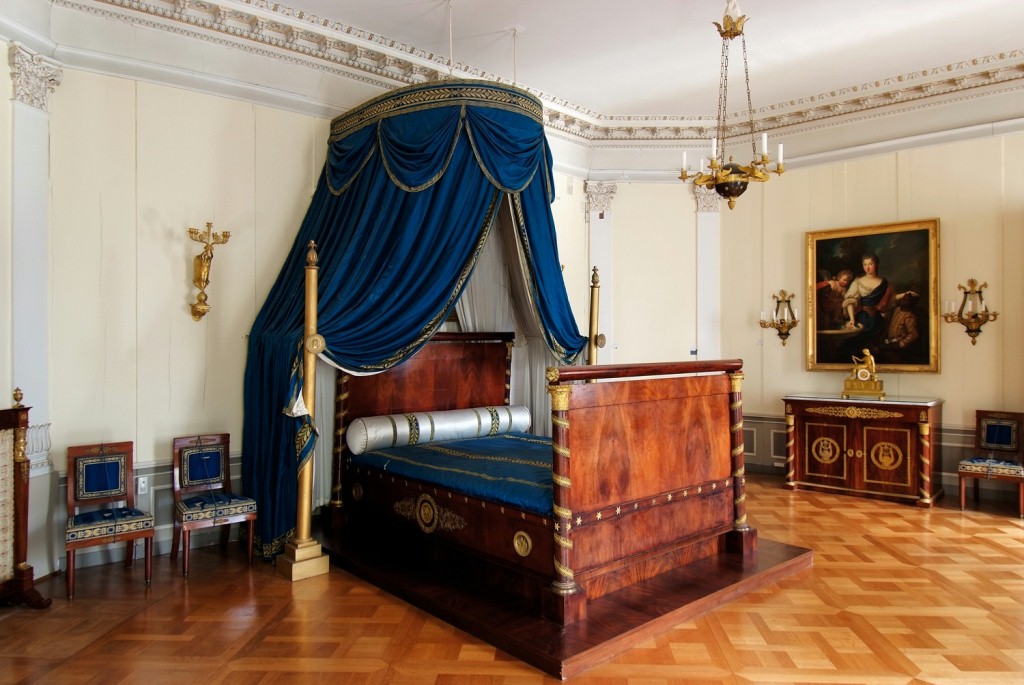
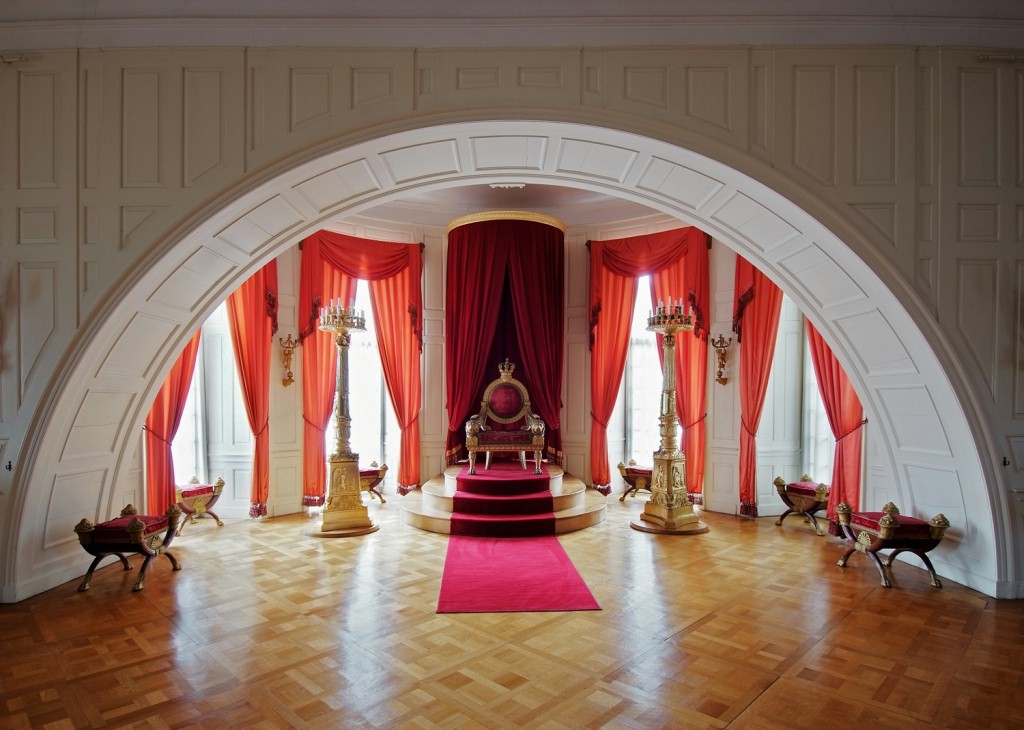
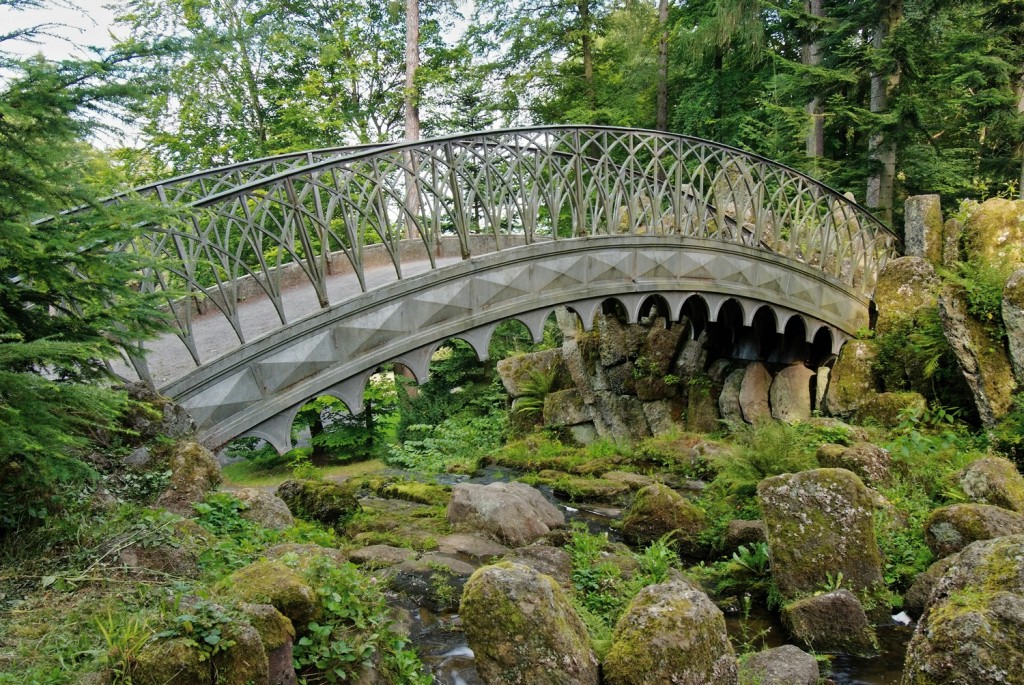
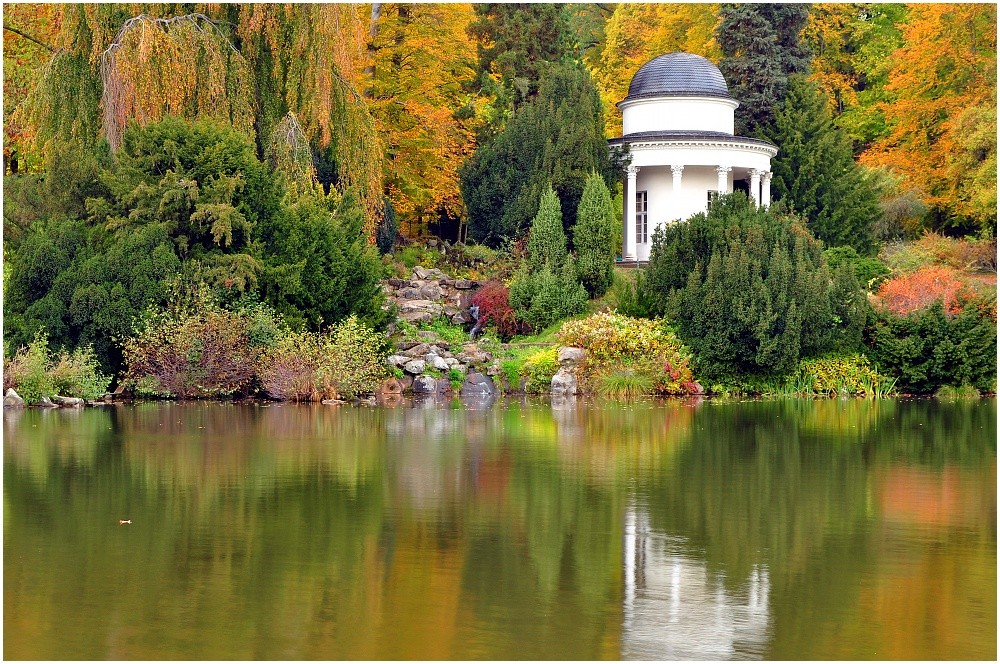
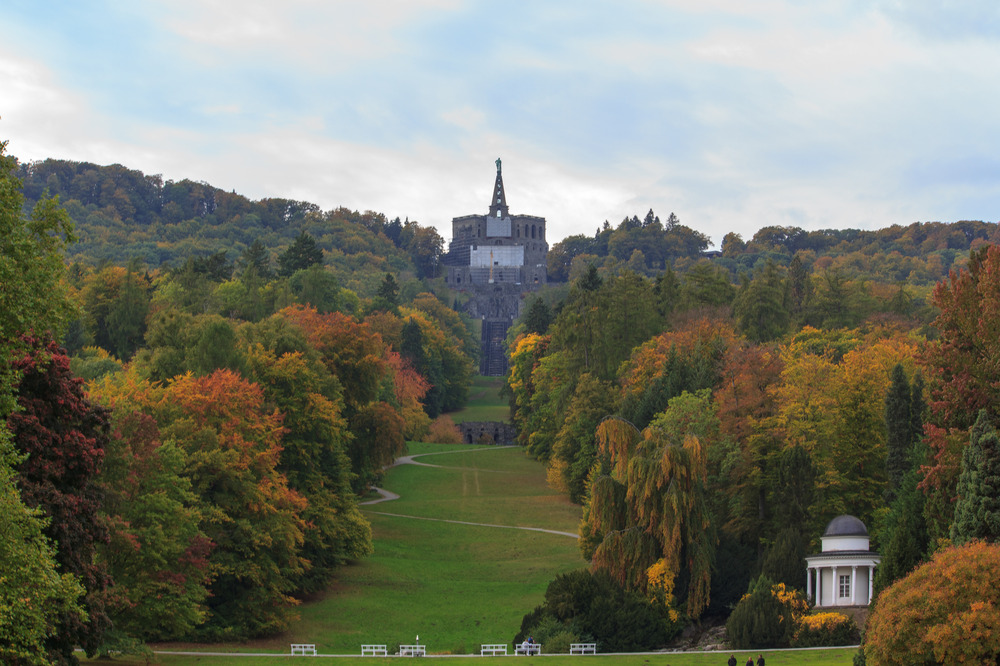

The Stunning Wilhelmshöhe Palace & Park
Wilhelmshöhe Palace & Park is a stunning castle and unique landscape park in Kassel, Germany. The area of the park is 2.4 square kilometres (590 acres), making it the largest European hillside park, and second largest park on a mountain slope in the world.
Construction of the park began in 1696 at the request of the Landgraves of Hesse-Kassel and took about 150 years. Originally laid out in the Baroque style of the Italian garden and the French formal garden with water features running downhill in cascades to the Wilhelmshöhe castle, it was later re-arranged into an English landscape garden with water features added in 1714.
During the summer, from May until October on every Wednesday and Sunday afternoon, visitors can watch the magical water show. Additionally, every first Saturday of the summer months this event takes place during the evening with different colored lights illuminating the water, the fountain and the different monuments (picture 2).
Visitors can follow the water’s way as it runs down the cascades, the Steinhöfer’s waterfall (pictures 1), the devil’s bridge (picture 4), until it tumbles down the aqueduct before finally arriving at the lake of the Wilhelmshöhe castle where a fountain of about 50 meters ends the spectacle (picture 3). This system has been in place for more than 300 years. In June, 2013 it was proclaimed as a UNESCO World Heritage Site which guarantees its preservation and elevates the site’s status as one of the many fascinating man-made structures on our planet.
/
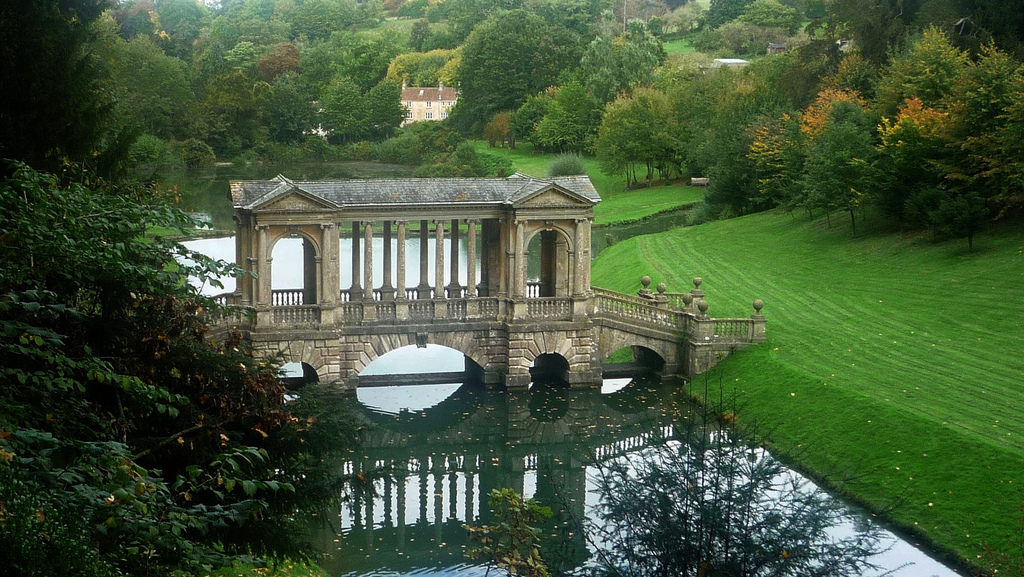

Palladian Bridge: Prior Park
Prior Park is a Palladian house, designed by John Wood, the Elder in the 1730s and 1740s for Ralph Allen, on a hill overlooking Bath, Somerset, England.
The first park on the site was set out by John of Tours the Bishop of Bath and Wells around 1100, as part of a deer park, and subsequently sold to Humphrey Colles and then Matthew Colhurst. It is set in a small steep valley, with views of the city of Bath. Prior Park’s 11.3 hectares (28 acres) landscape garden was laid out by the poet Alexander Pope between the construction of the house and 1764. During 1737, at least 55,200 trees, mostly elm and Scots pine, were planted, along the sides and top of the valley. No trees were planted on the valley floor. Water was channeled into fish ponds at the bottom of the valley.
 Inside the Palladian Bridge
Later work, during the 1750s and 1760s, was undertaken by the landscape gardenerCapability Brown. This included extending the gardens to the north and removing the central cascade making the combe into a single sweep. The garden was influential in defining the style of garden known as the English garden in continental Europe.
The features in the gardens include a Palladian bridge (one of only 4 left in the world), Gothic temple, gravel cabinet, Mrs Allen’s Grotto, ice house, lodge and three pools with curtain walls plus a serpentine lake. The Palladian bridge, which is a copy of the one at Wilton House, has been designated as a Grade I listed building and Scheduled Ancient Monument. It was repaired in 1936.

/
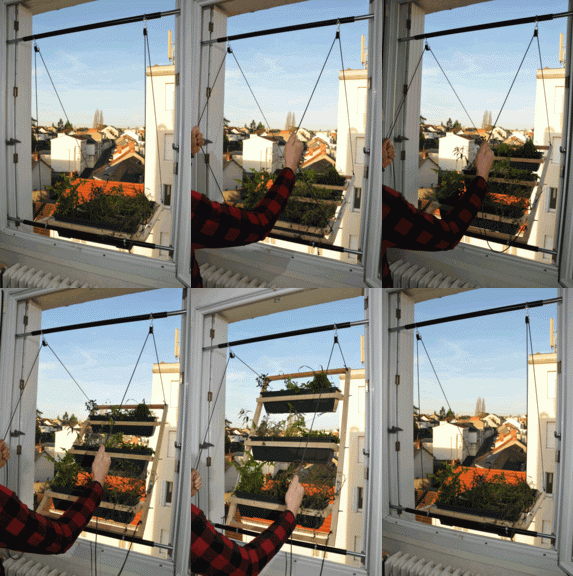
The window-mounted chassis, which holds three planters, is operated via pulley, as a sort of drawbridge outfitted with houseplants and herbs:
/


Public Library in Ceuta, Spain | Paredes Pedrosa
The new Library in Ceuta is conditioned by the steep topography of the plot and by the Arab Marinid archaeological excavation of the XIV century that determine all interior spaces of the Library. Also the lack of space and the compactness of Ceuta, an autonomous Spanish city located on the north coast of Africa on the border of the Mediterranean Sea and the Atlantic Ocean, condition the proposal.
The orthogonal geometry of this ancient settlement is turned from that of the actual urban grid. This fact establishes a triangular geometry for the structure over the archaeological site and the urban value of the Arab city is included in the geometry of new building.
Photography: Fernando Alda
/


/
/
/
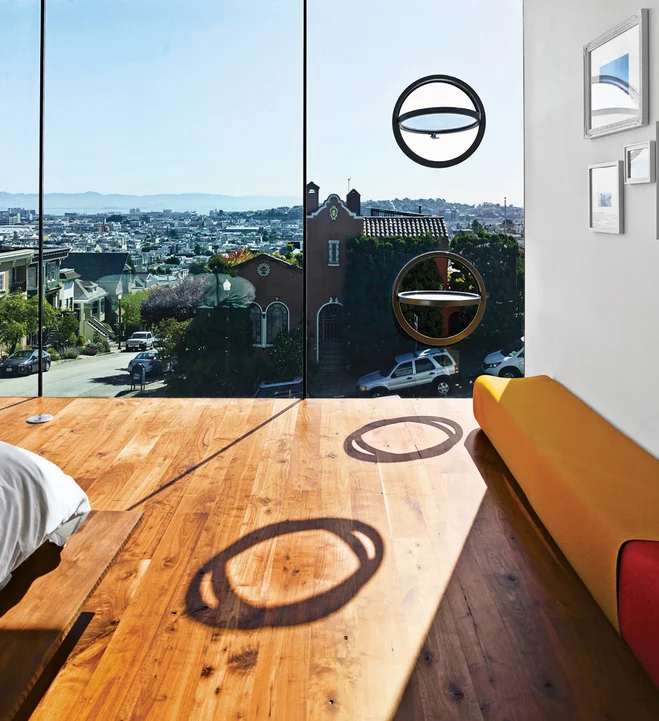
Adoro esta casa… no entanto nao a comprava. Não tem privacidade. Trata-se duma Big Brother House.
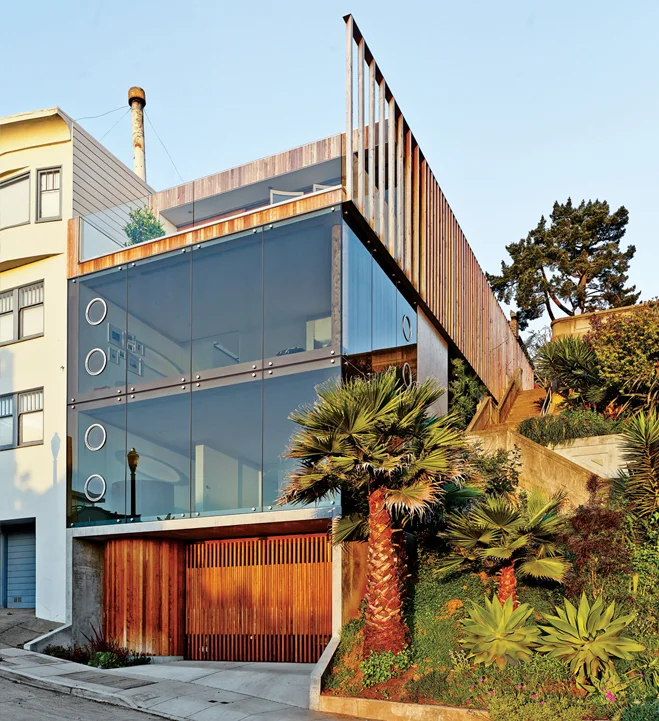
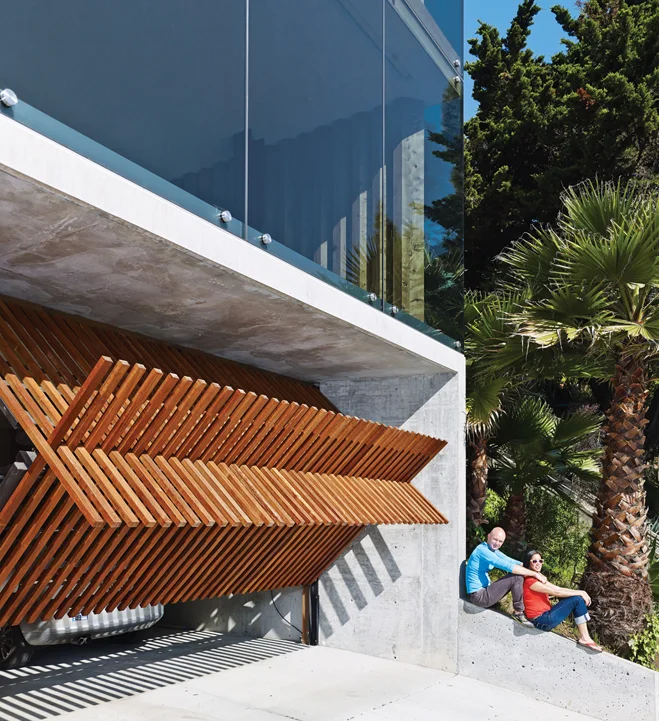
Peter’s House by Craig Steely
The distinctive façade has operable porthole windows and a slatted garage door custom-built by Raimundo Ferreira.
i want to live there
/
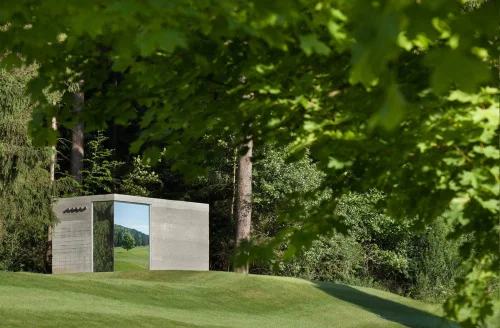
Spotted at the 9th hole
You have to admire this restroom at a golf-course, Lauterhofen:
Now that’s one great design…
/

Albert Kahn’s Detroit Golf Club, Detroit
/

/
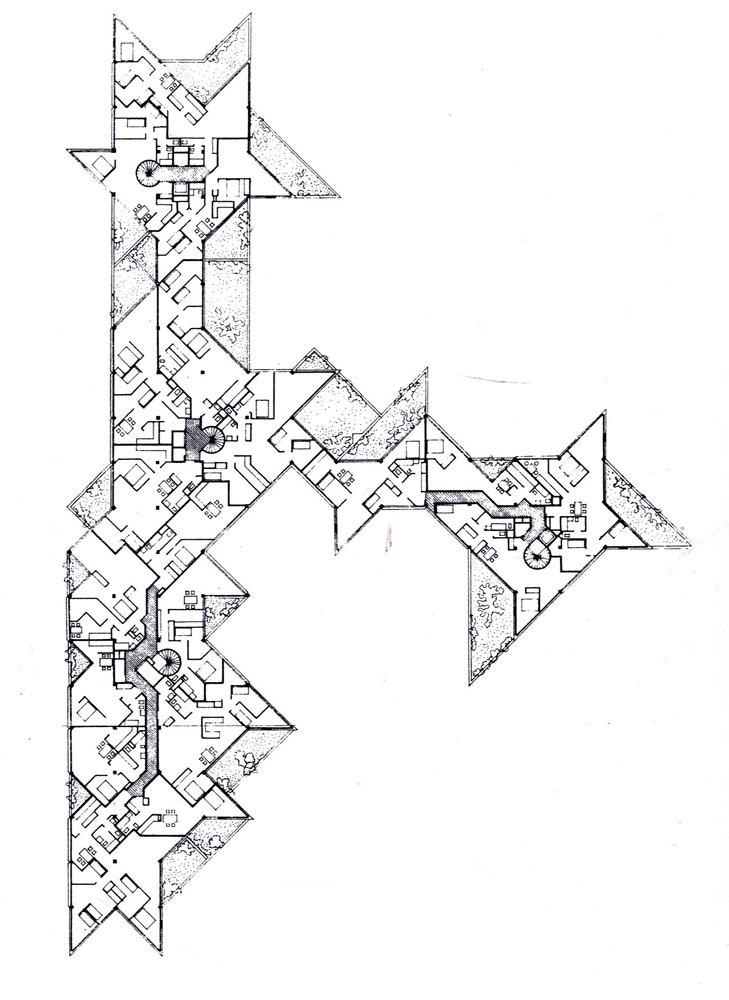

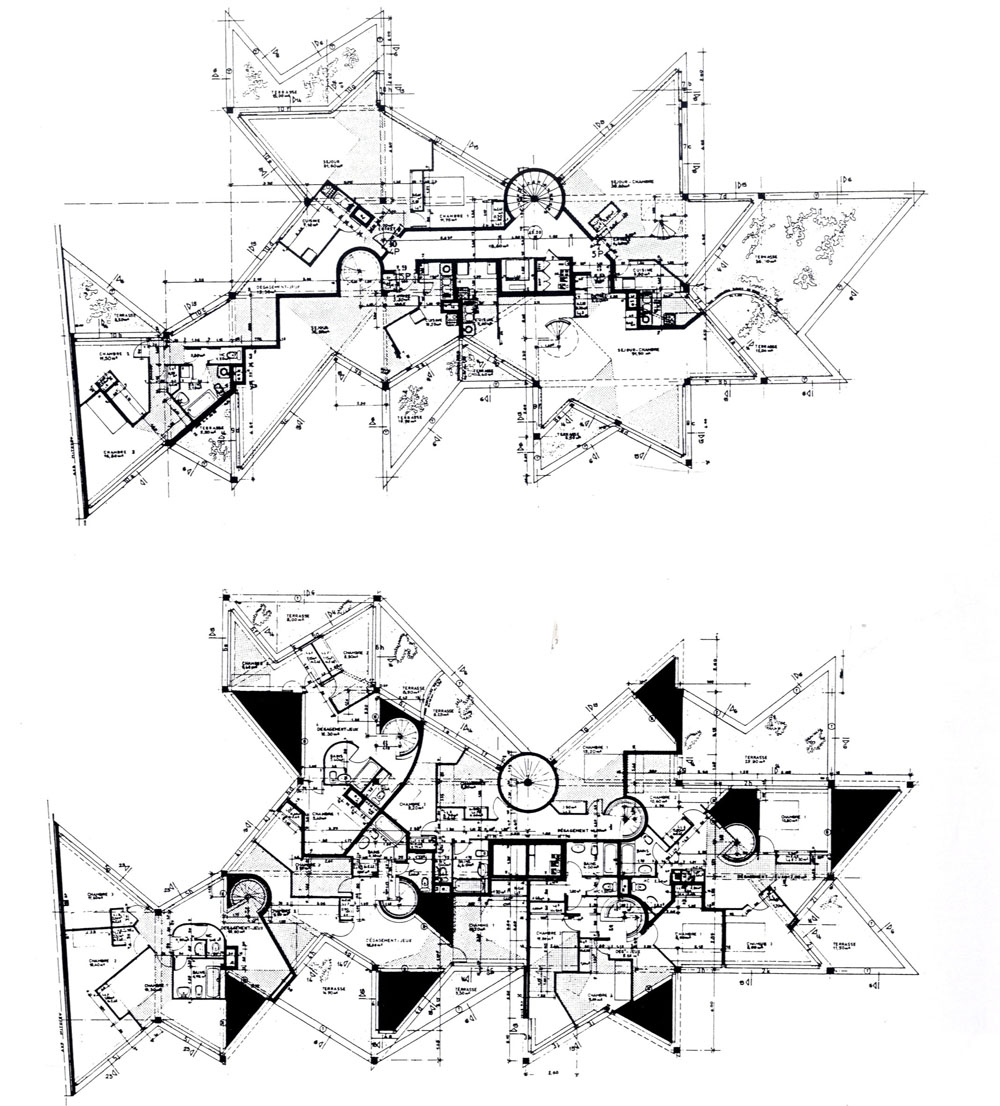
Renaudie & Gailhoustet 1969
Todo el centro de la ciudad de Ivry fue construido entre 1969 y 1975 por Jean Renaudie y su compañero Renee Gailhoustet. El complejo se caracterizaba por el apilamiento desordenado de diferentes viviendas, donde todas las composiciones se basan en geometrías triangulares. El resultado es una acumulación aleatoria de viviendas en gran parte acristaladas y que tienen un ecosistema vegetal propio, ya que la mayoría de las residencias tienen amplias terrazas-jardín, que con el paso de los años adoptan todo el protagonismo expresivo del edificio.
(source: VAUMM)
/

Elevations and plans for two residences, London
/
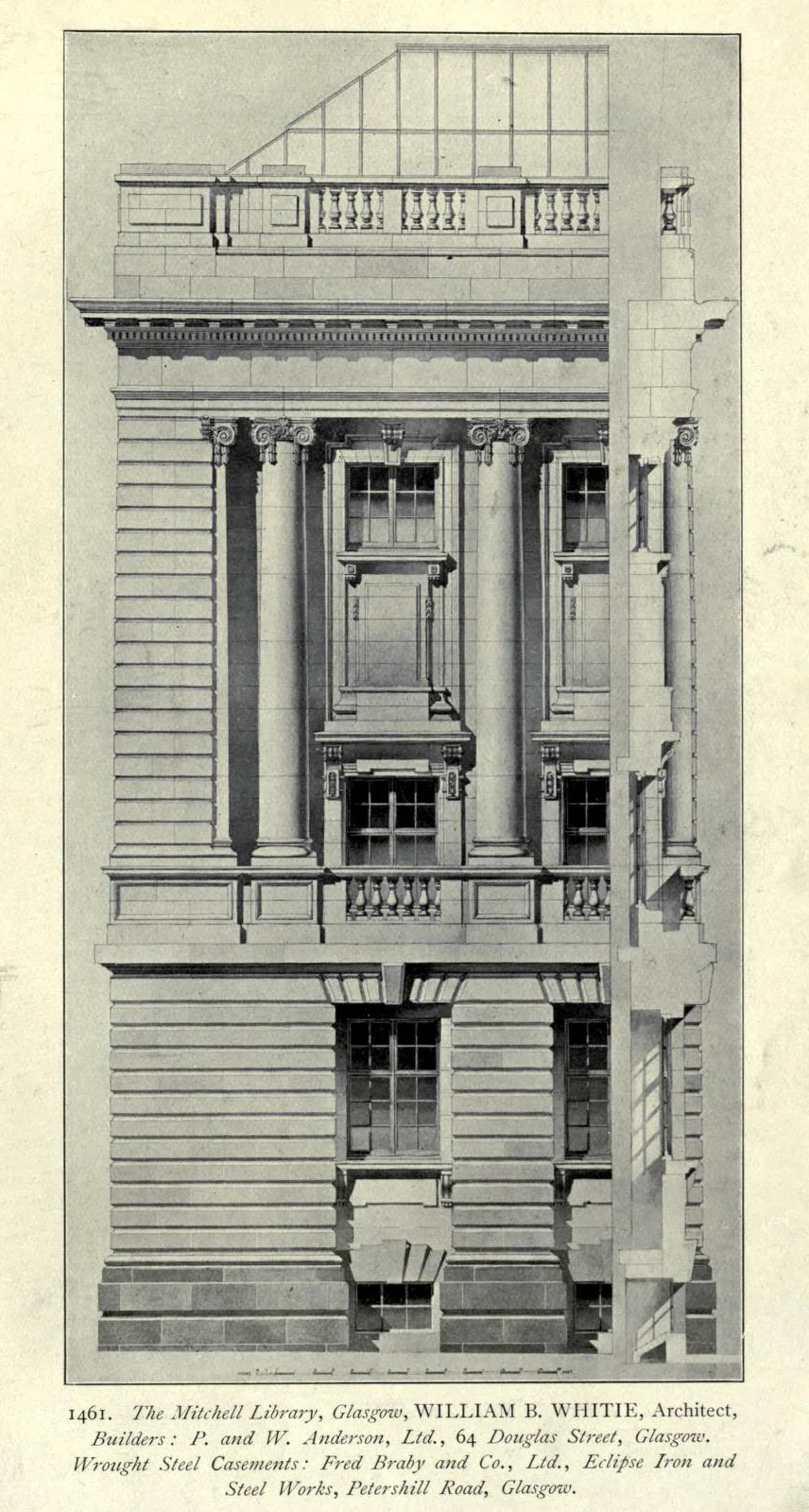
Elevation detail of the projected Mitchell Library, Glasgow
/


/

Paul Rudolph’s Bass Residence, Fort Worth, Texas
/
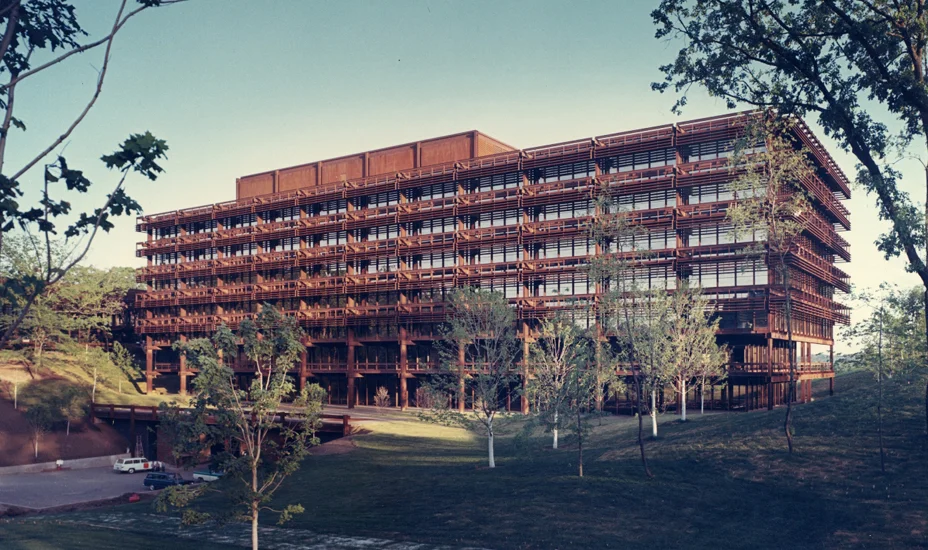
/
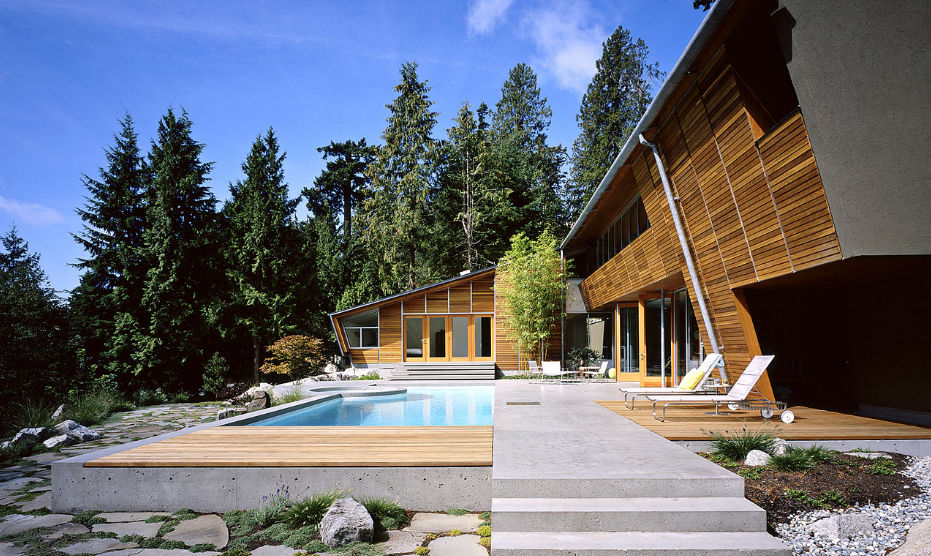


Bonetti Residence, West Vancouver
Architect: Battersby Howat
This house responds to the divergent yet complementary aesthetics of its inhabitants: one, a staunch modernist, and the other, a devotee of eastern materials and textures. The clear anodized aluminum, stainless steel fixtures, and white countertops play off the red mosaic tile, exotic European walnut cabinetry, and hardwood stairs.