


/

/
/

/
kyol:
omg luv ittt
/


/
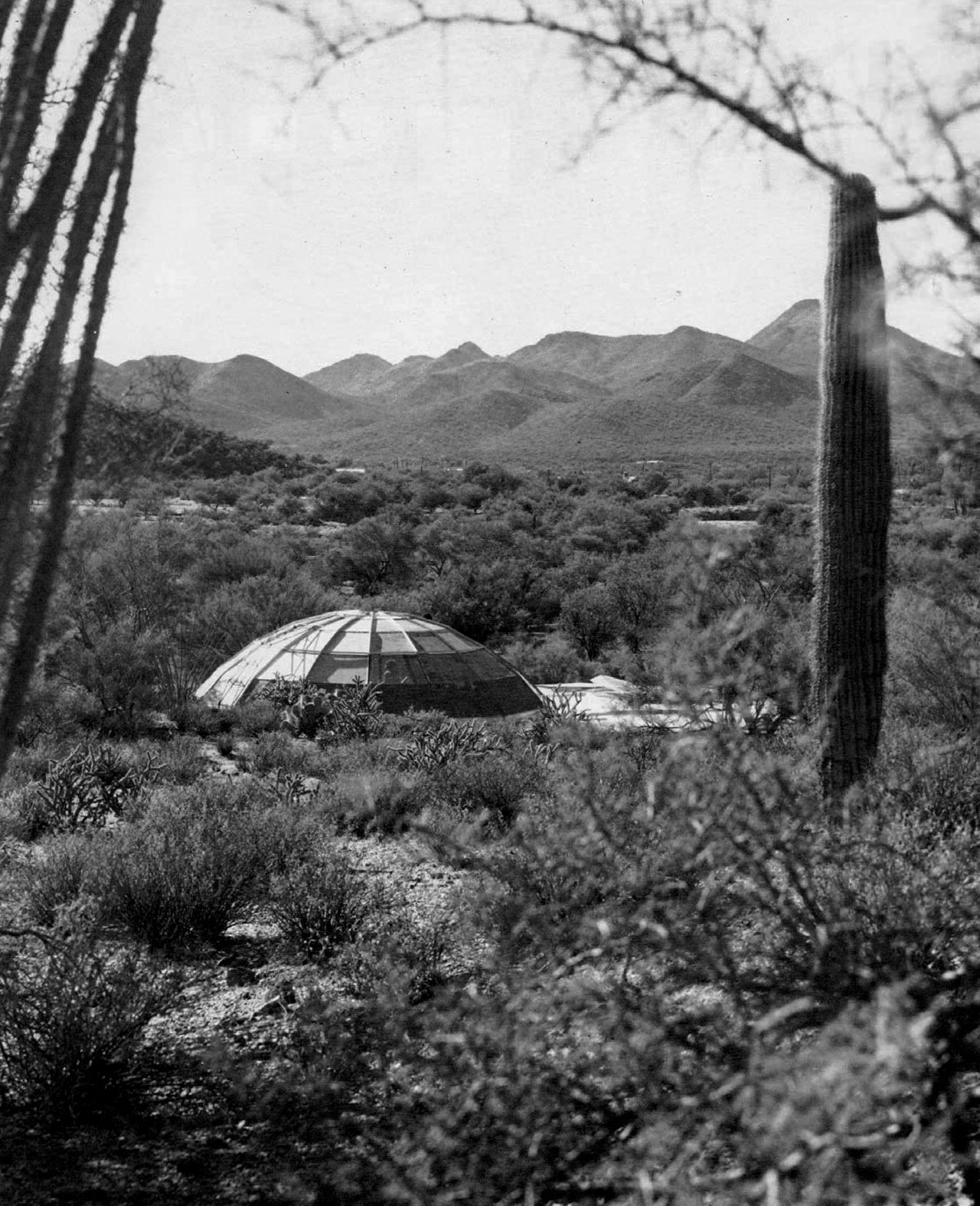
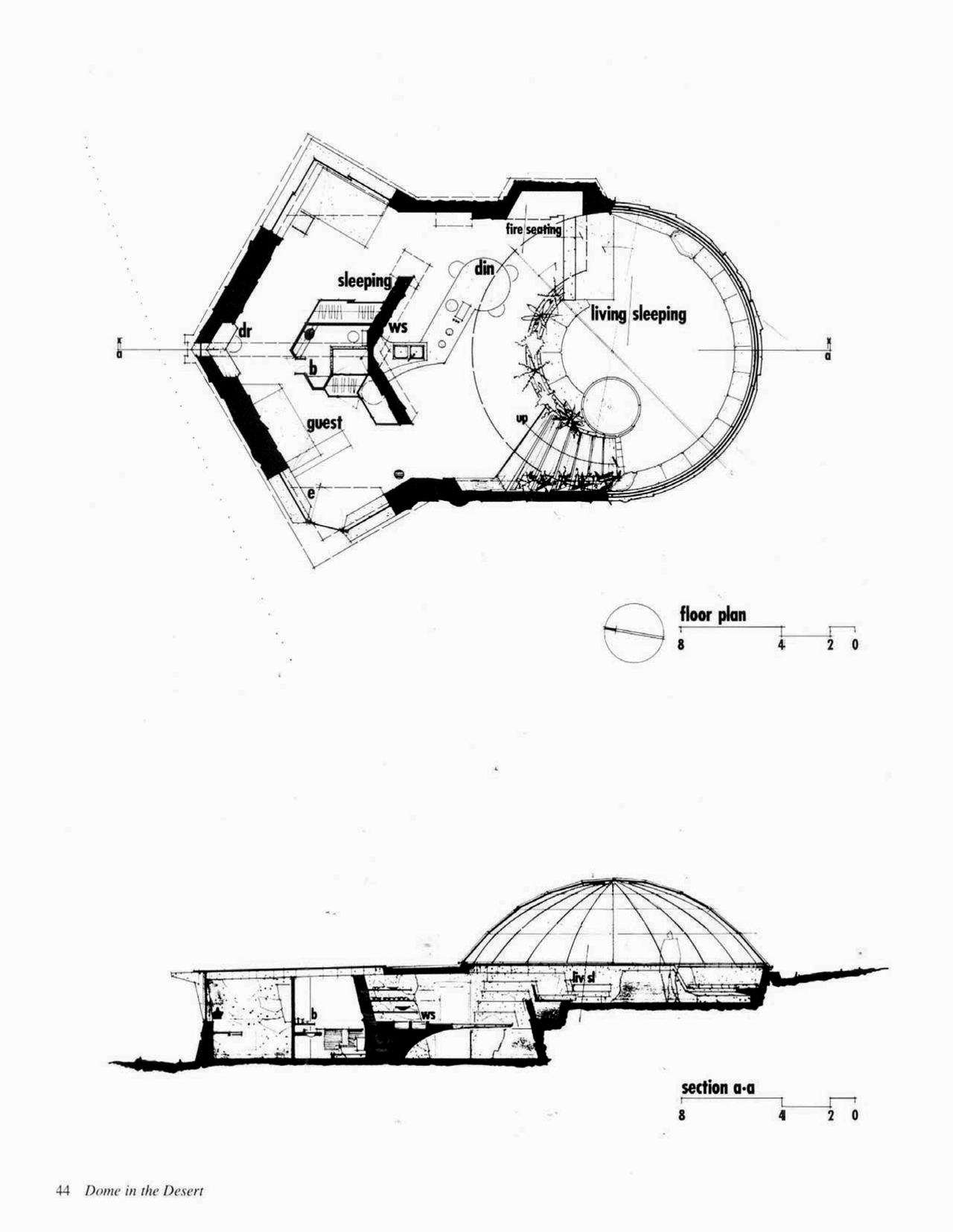

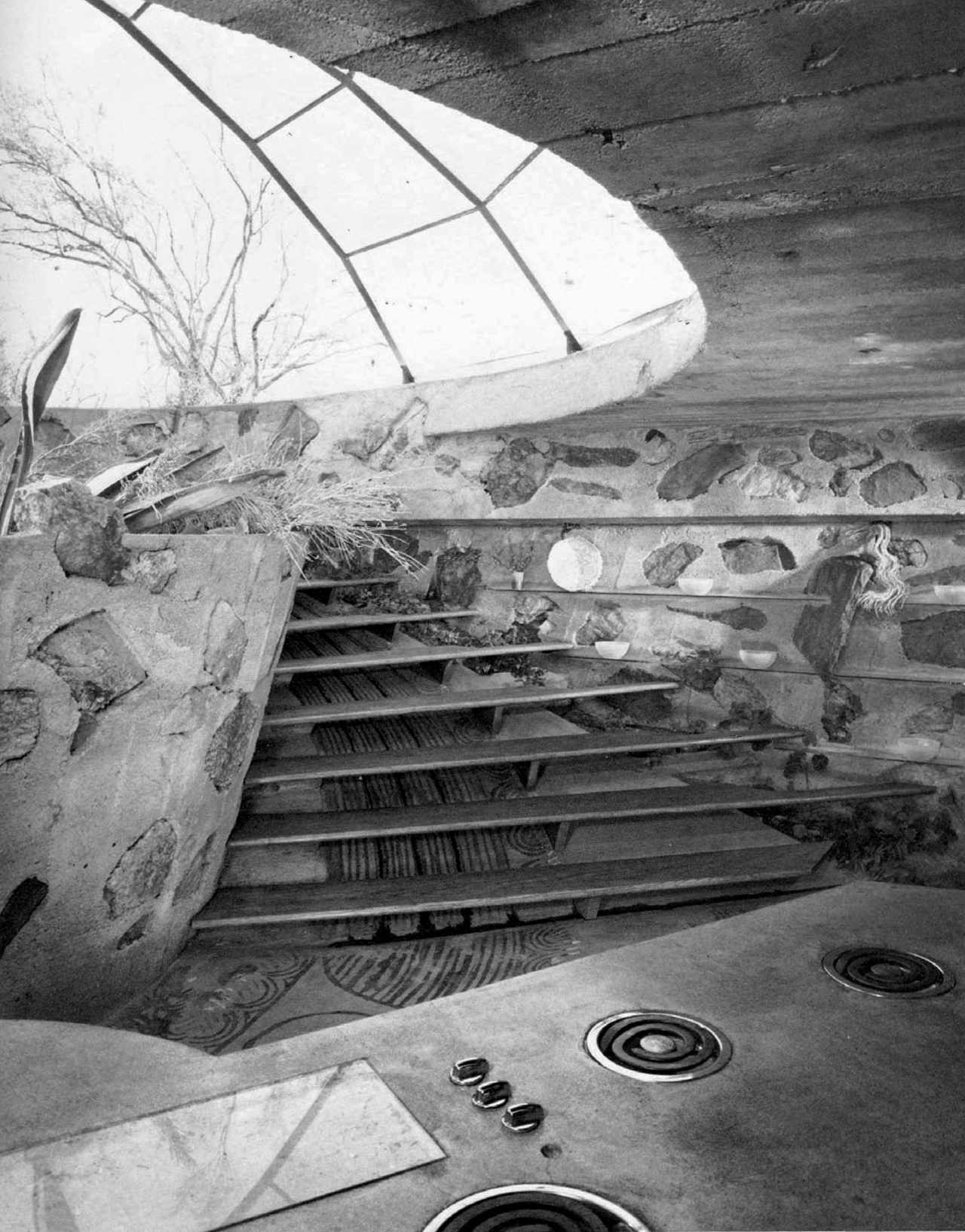
The Dome in the Desert by Wendell Burnette via Archdaily
“A glass house in the desert? Was it an architectural caprice, a folly, or was it a solution to the problems of desert living whose appropriateness is still not recognized? Having had the experience of living in The Dome for a full year, through all the seasons, I felt it incumbent upon myself to take a fresh look at this remarkable work of architecture.”
/

/


/
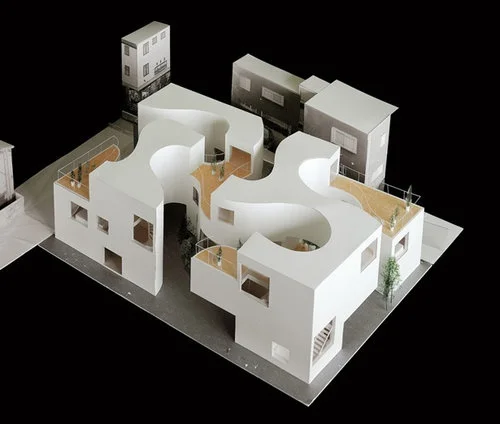
SANAA, Okurayama Apartments
/
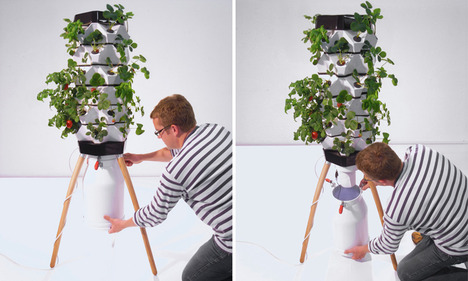
Growing food indoors is usually limited by the space you have. More often than not, that means some kind of vertical placement, as we’ve seen withwindowfarms, mini-greenhouses doubling as lighting and aeroponic systems.
Fogponics — a more advanced application of aeroponics where vaporized water is used to transfer nutrients and oxygen to enclosed, suspended plant roots — is where German design company Vakant Design begins instead with Fogger, a unit designed to give plants that extra boost.
(via Fogponic Unit Stacks Vertically to Grow More Veggies in Less Space : TreeHugger)
/
/
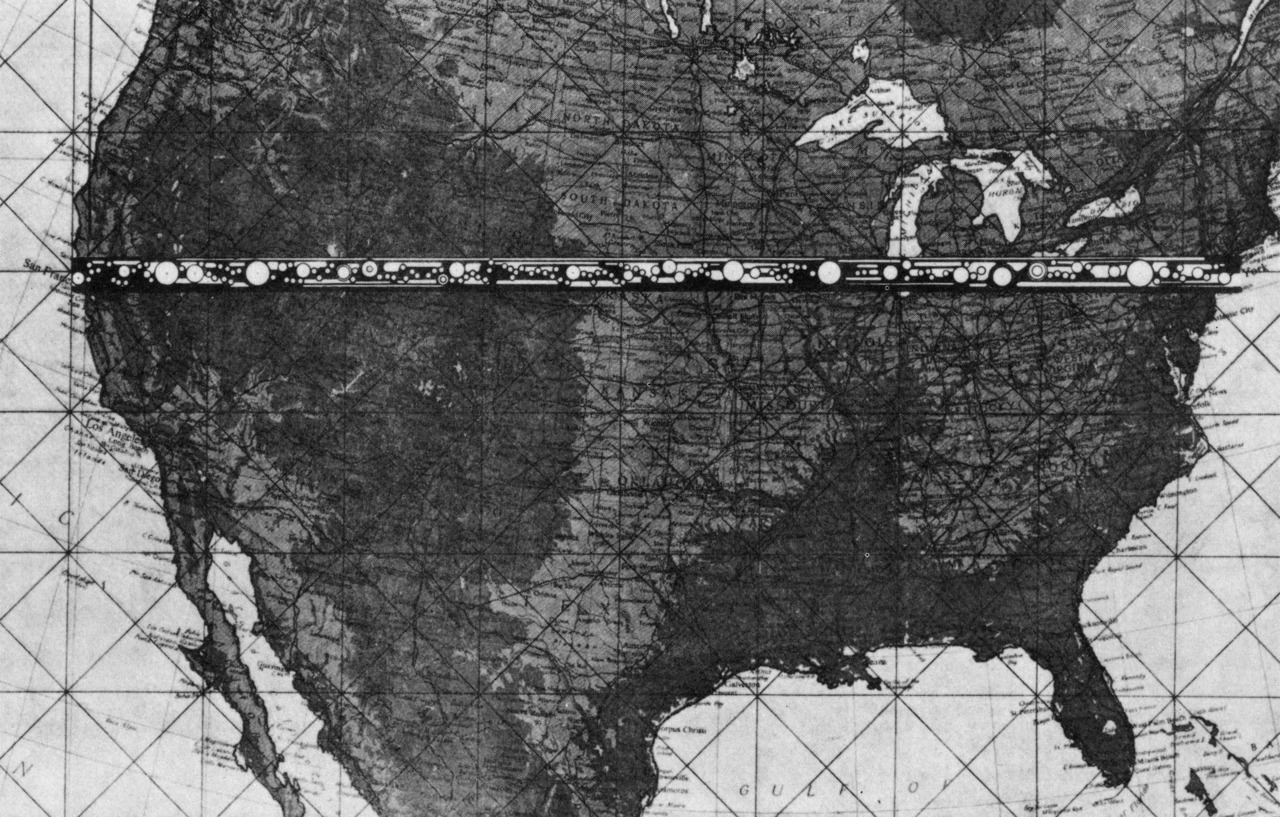
Mike Mitchell and Dave Boutwell, Comprehensive City Project, 1969
/
/
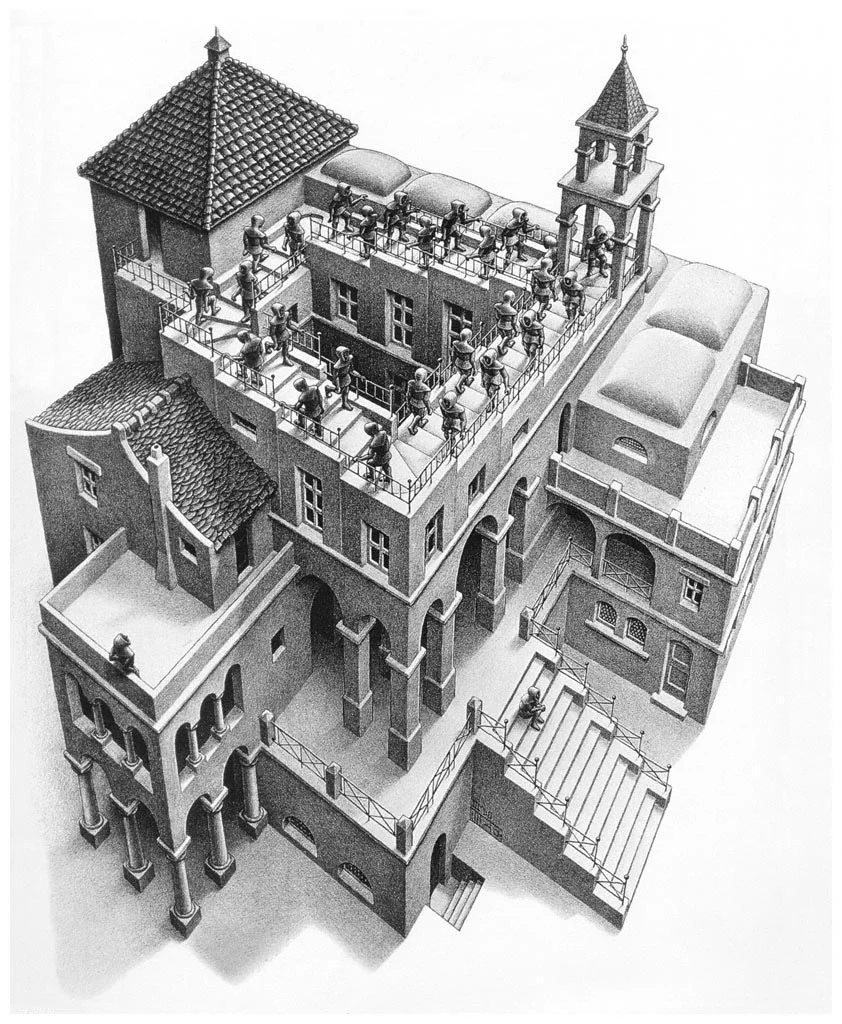
M. C. Escher, Ascending and Descending, Lithograph print, 1960
“The Penrose stair is an impossible object created by Lionel Penrose and his son Roger Penrose. It can be seen as a variation on the Penrose triangle. It is a two-dimensional depiction of a staircase in which the stairs make four 90-degree turns as they ascend or descend yet form a continuous loop, so that a person could climb them forever and never get any higher. This is clearly impossible in three dimensions; the two-dimensional figure achieves this paradox by distorting perspective. The best known example of Penrose stairs appears in the lithograph Ascending and Descending by M. C. Escher, where it is incorporated into a monastery where several monks ascend and descend the endless staircase. The staircase had also been discovered previously by the Swedish artist Oscar Reutersvärd, but neither Penrose nor Escher were aware of his designs. In terms of sound, the Shepard tone is a similar illusion.”
/
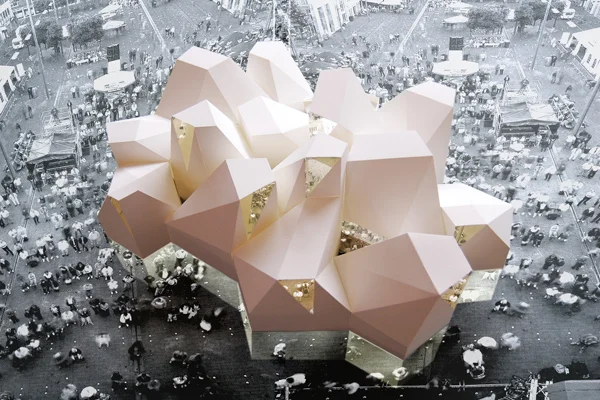
actually the section would be stronger.
Maribor Art Gallery - Stan Allen
/
/
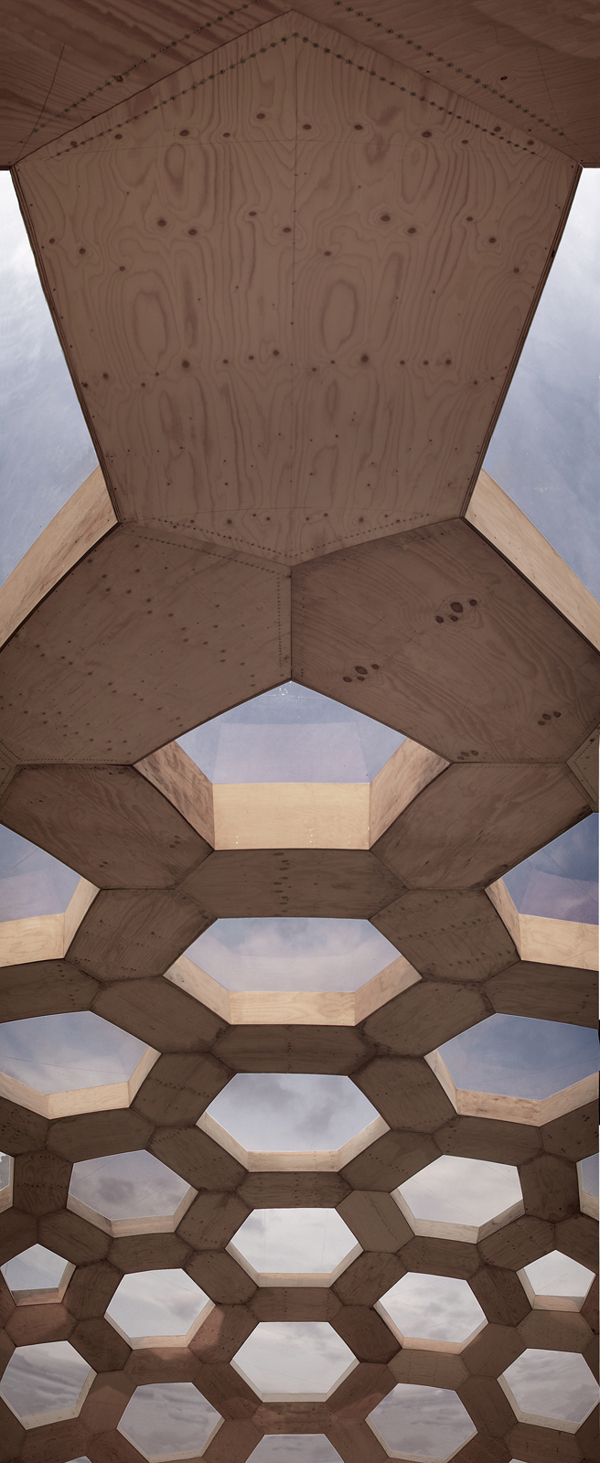
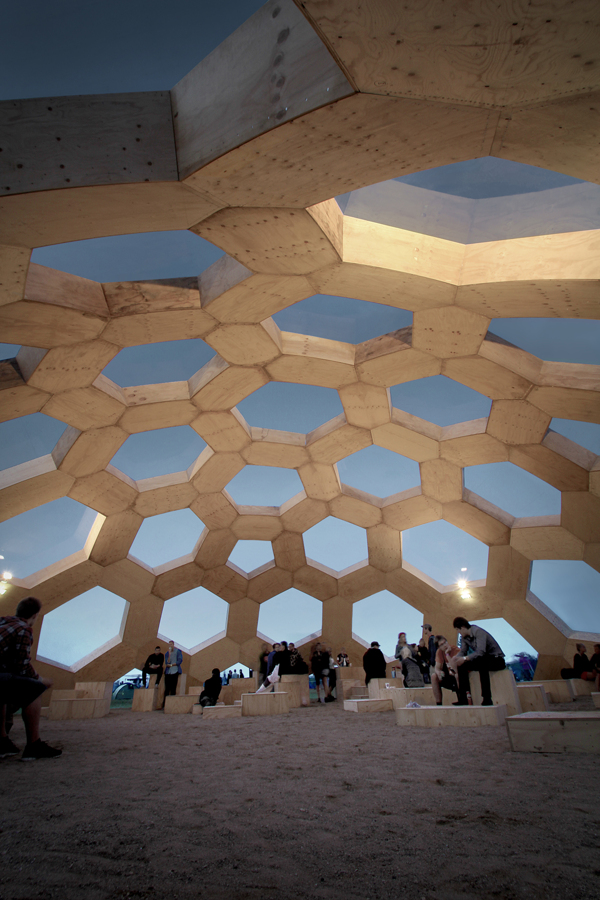
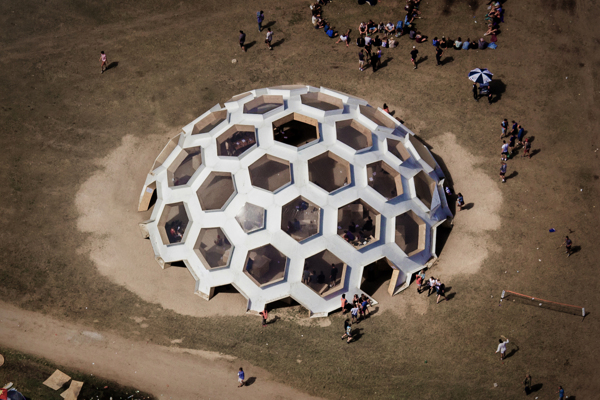

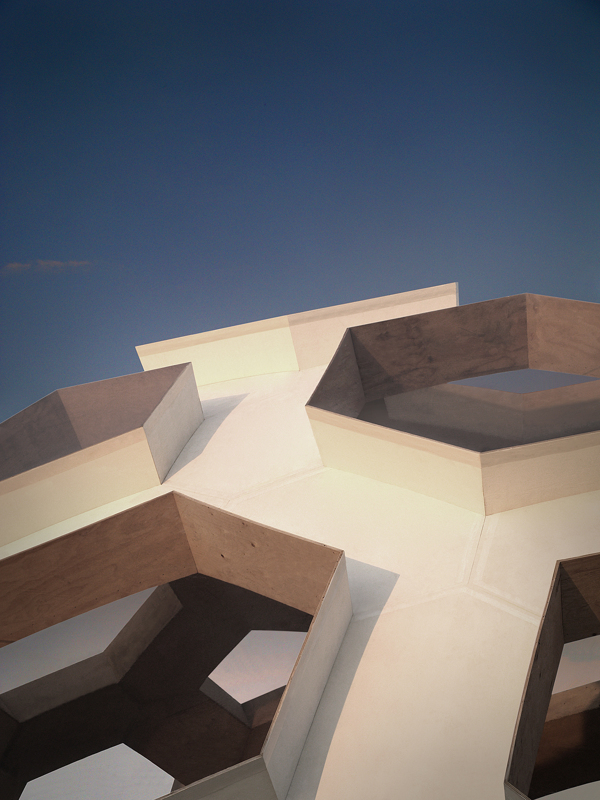
Plywood Dome v.2 via Kristoffer Tejlgaard
A geodesic dome, like the one put up by Kristoffer Tejlgaard and Benny Jepsen at the Danish music festival, Roskilde Festival in 2012, is a construction that optimises the use of resources to a high degree, by imitating natures own methods.The molecular structure found in one given family of carbon molecules, is copied when constructing geodesic domes. This structure allows for great strength and stability, construction of large-sized spaces using a minimum of building materials as well as reduced energy consumption used for heating because of the minimal surface and aerodynamic form of the dome.
/

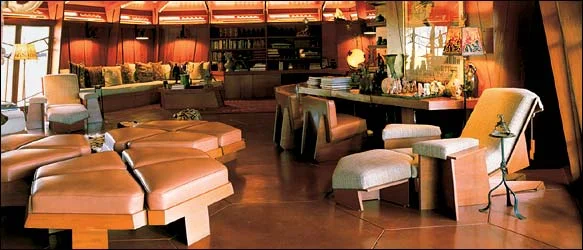
Frank Lloyd Wright’s Auldbrass Plantation, Beaufort County, South Carolina - New York Times article about the restoration
/
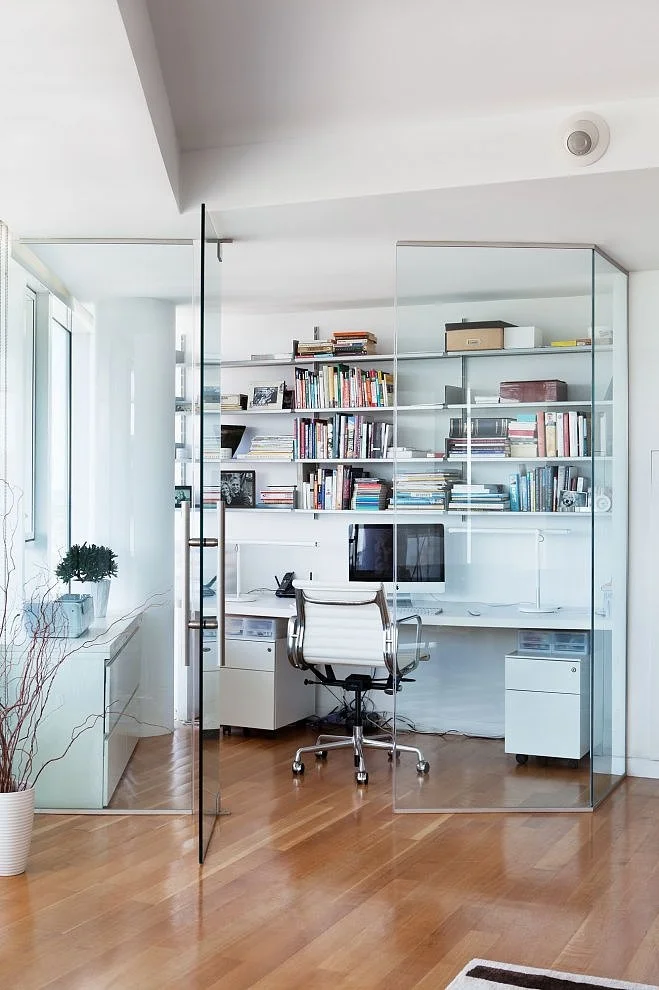
grand army plaza apartment/axis mundi
via: japanesetrash