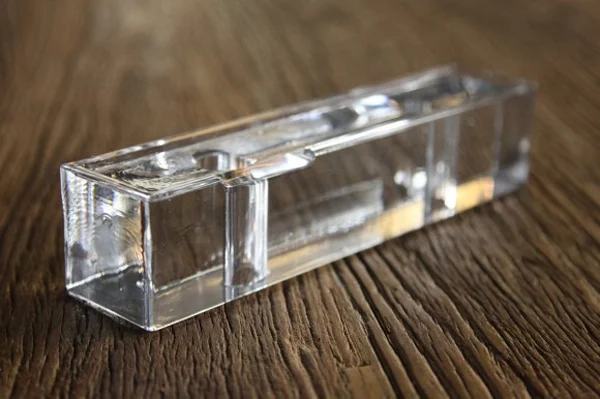
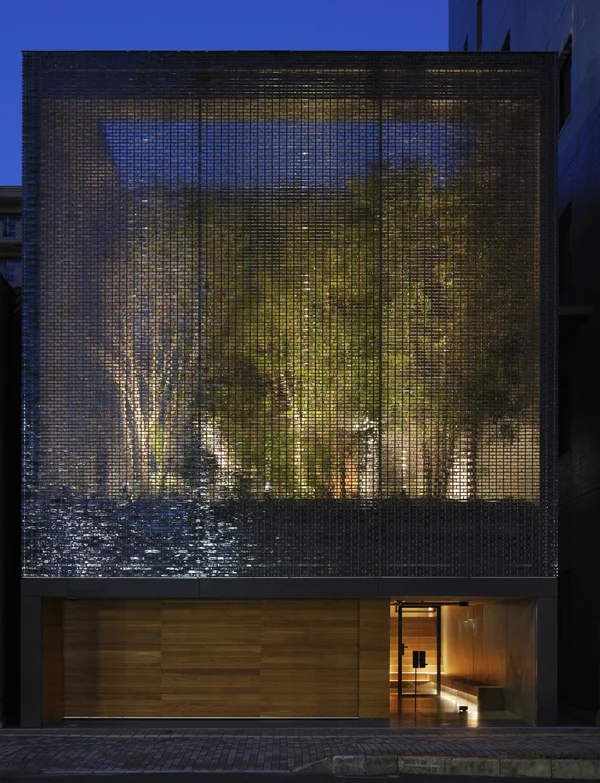
Scarpa Fountain, Fondazione Querini Stampalia, Venice
/
/

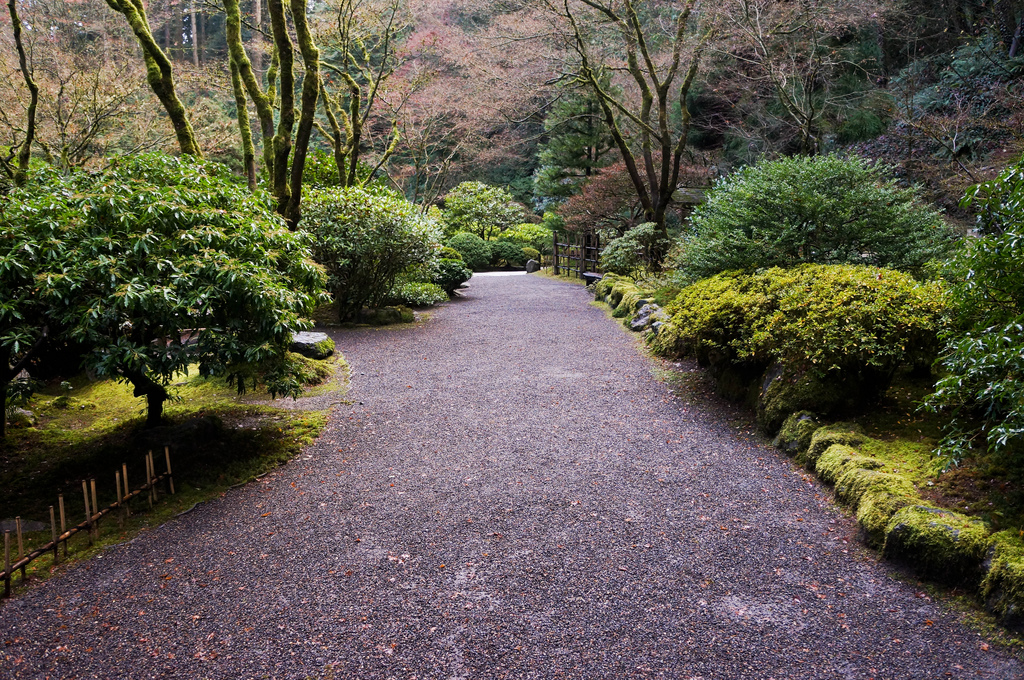

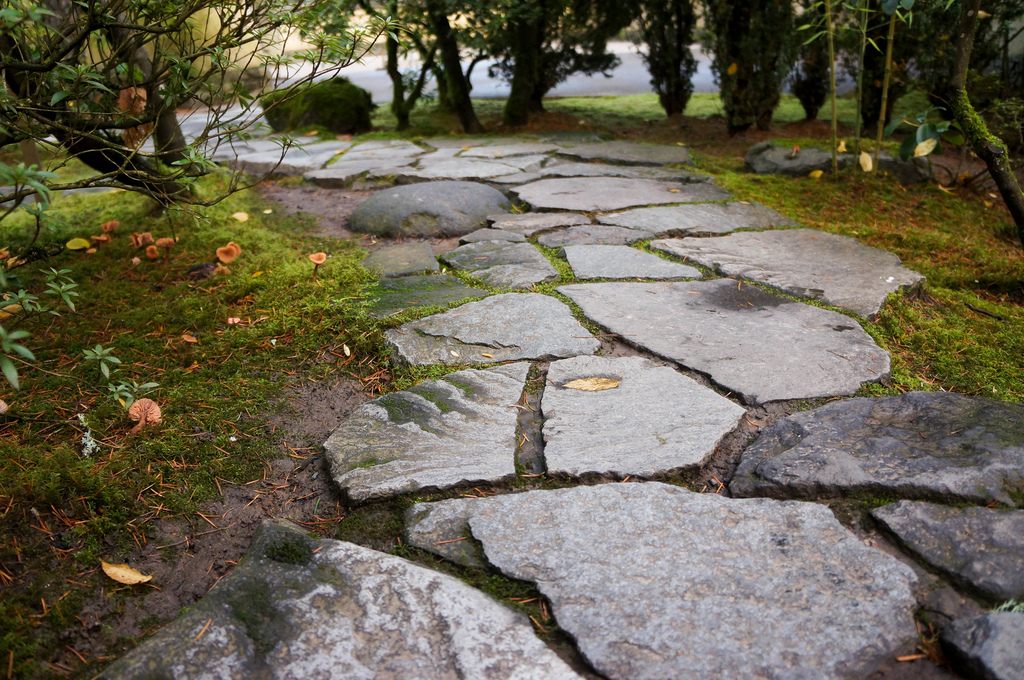
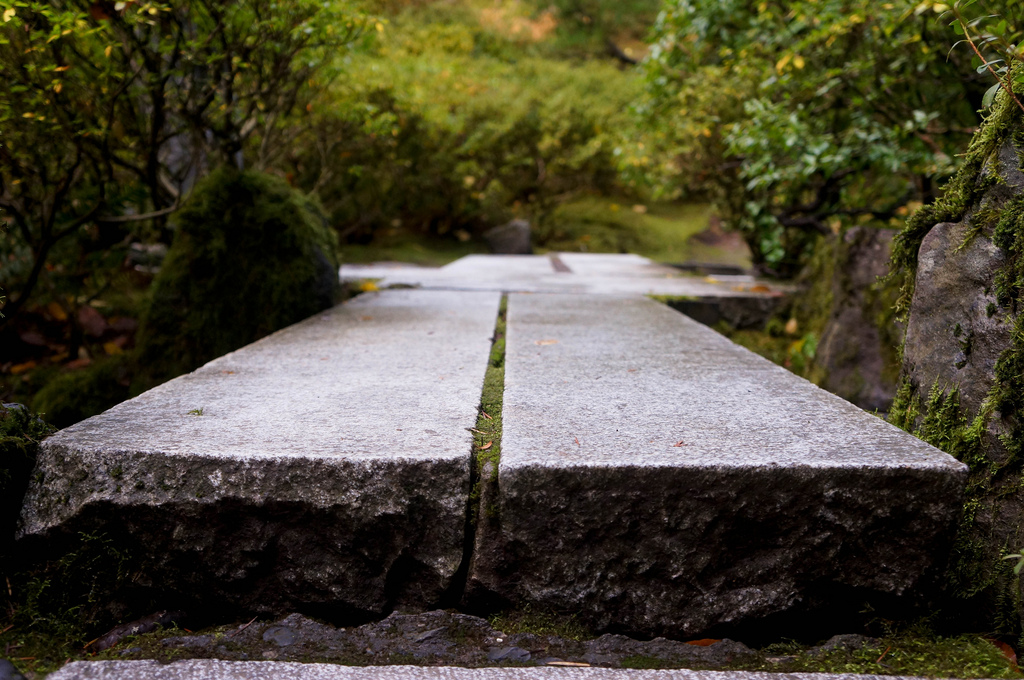
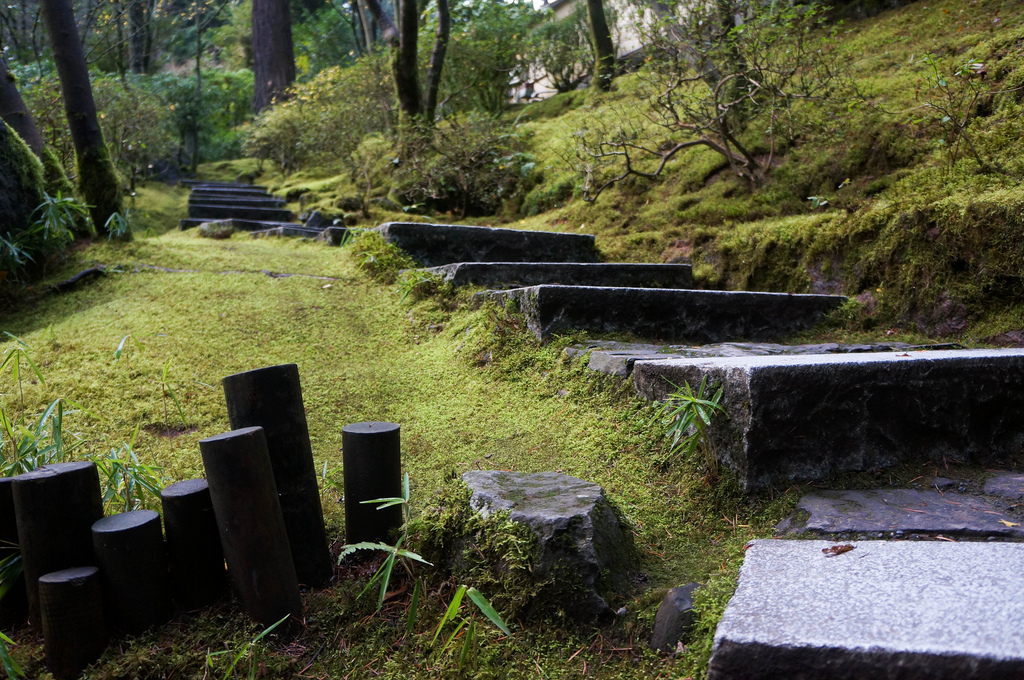
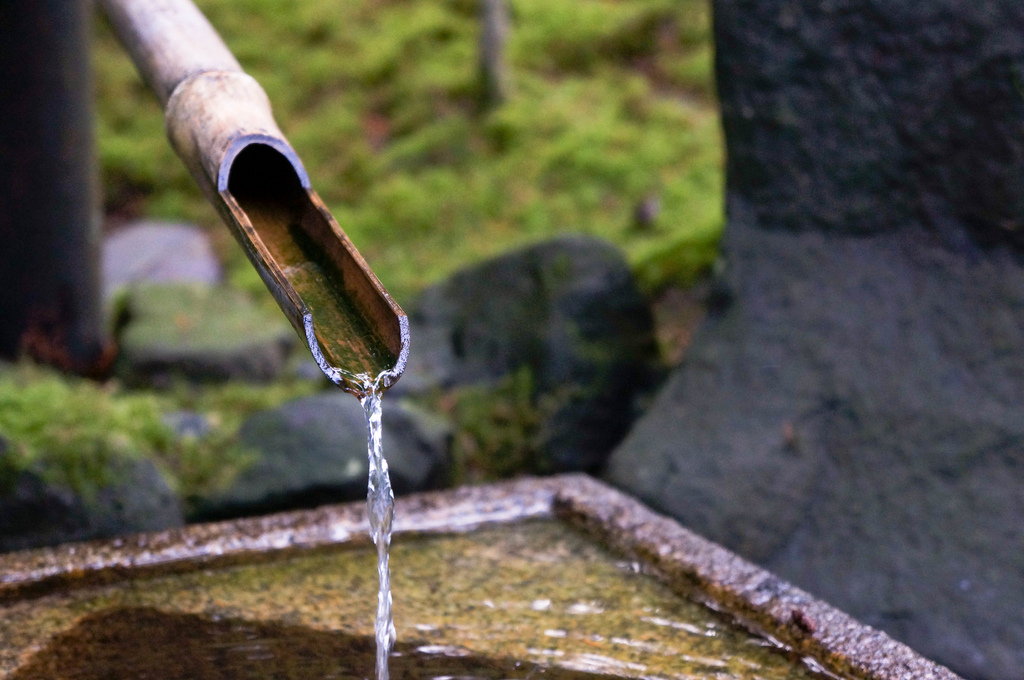
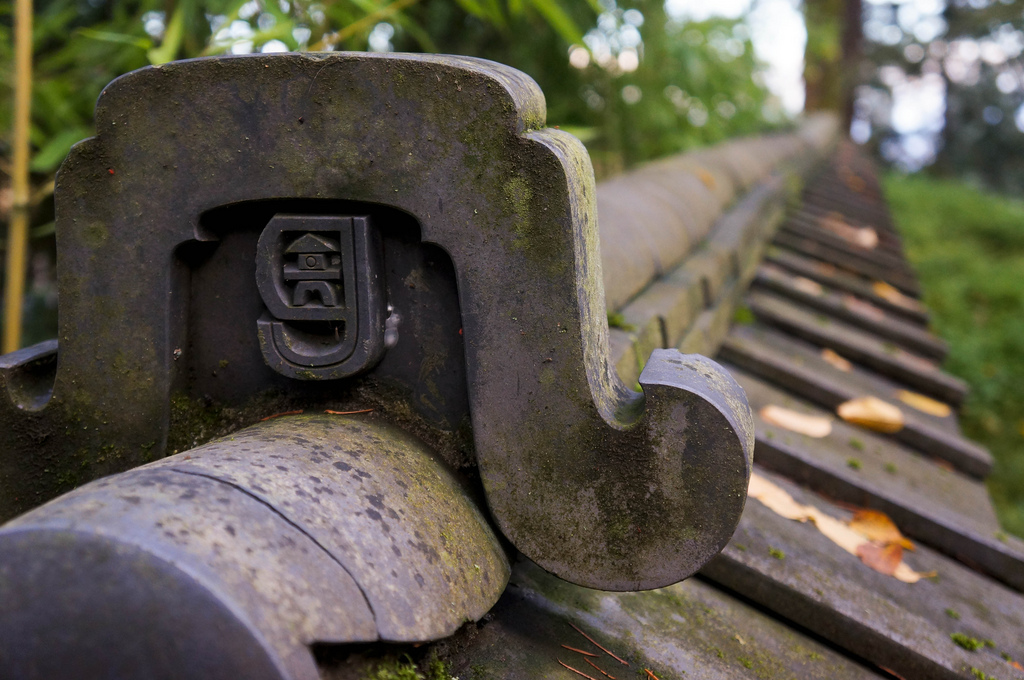


Portland Japanese Garden | Portland, OR | Takuma Tono
Proclaimed by Nobuo Matsunago, the former Ambassador of Japan to the United States, as “the most beautiful and authentic Japanese garden in the world outside of Japan,” the Portland Japanese Garden is a 5.5-acre haven of tranquility and beauty nestled in the West Hills of Portland.
Designed by Professor Takuma Tono—considered one of the most important landscape architects of his time in Japan—in 1963, the Portland Japanese Garden draws its influences from Shinto, Buddhist, and Taoist philosophies. Within the 5.5 acres, the garden consists of five distinct garden styles, each asymmetrical in design and reflect nature in an idealized form.
/




/
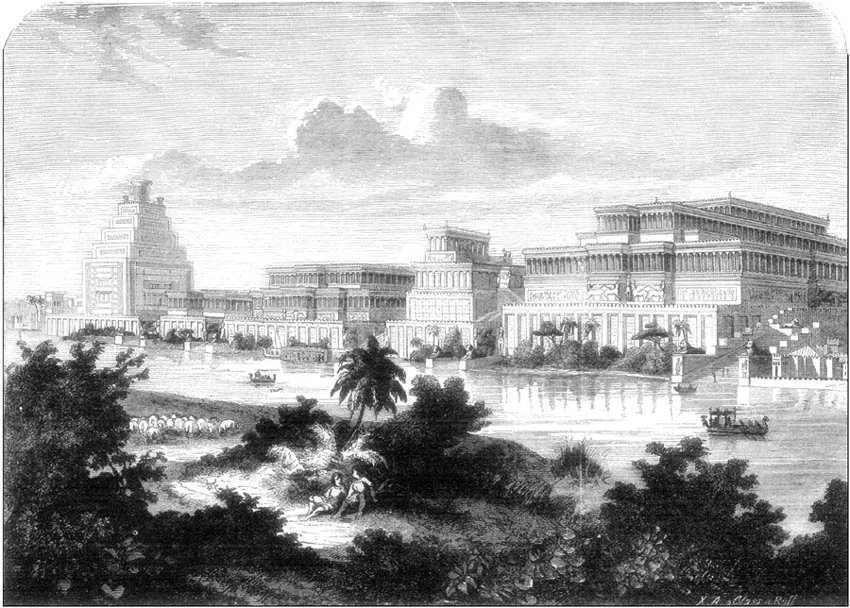
Black & White Illustration | 3261 | source
PALACE OF SENNACHERIB.
Discovered in a mound 1850 feet long, 1145 feet wide, and 178 feet high.
/

Winter’s Masterpiece
/


Danish studio BIG has designed an observation tower shaped like a honey dipper for Phoenix, Arizona.
/

Monteverde Cloud Forest reserve, Costa Rica
/
/


Eero Saarinen, TWA Flight Center, New York Idlewild Airport
New York, 1956–62
Photographs by Balthazar Korab“This is my classic image of the project that reveals the complexity of the Saarinen approach to a four-dimensional experience in this space.”
/
/



/
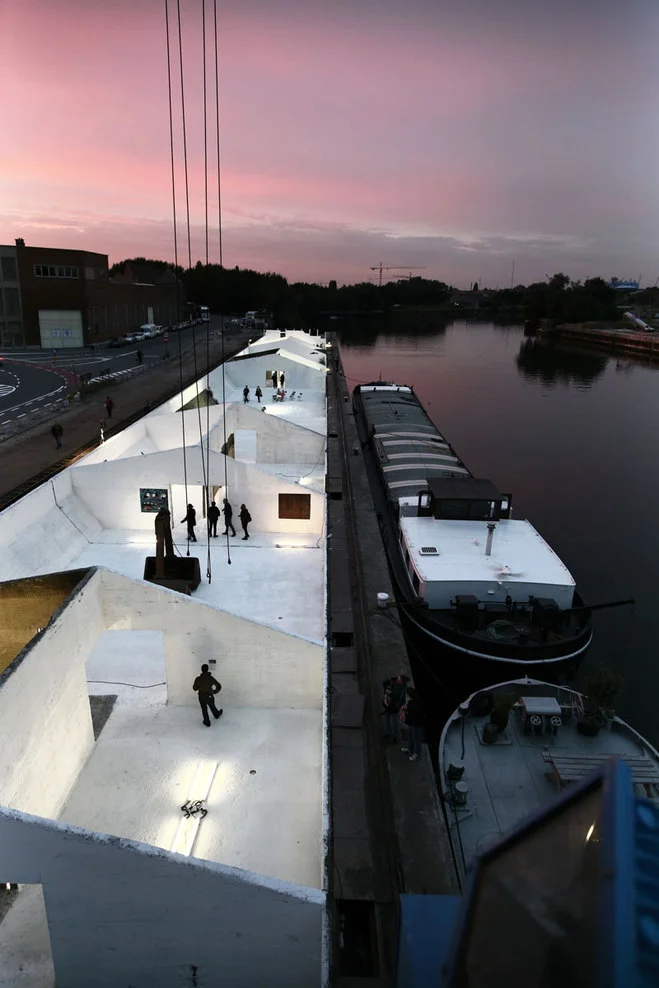
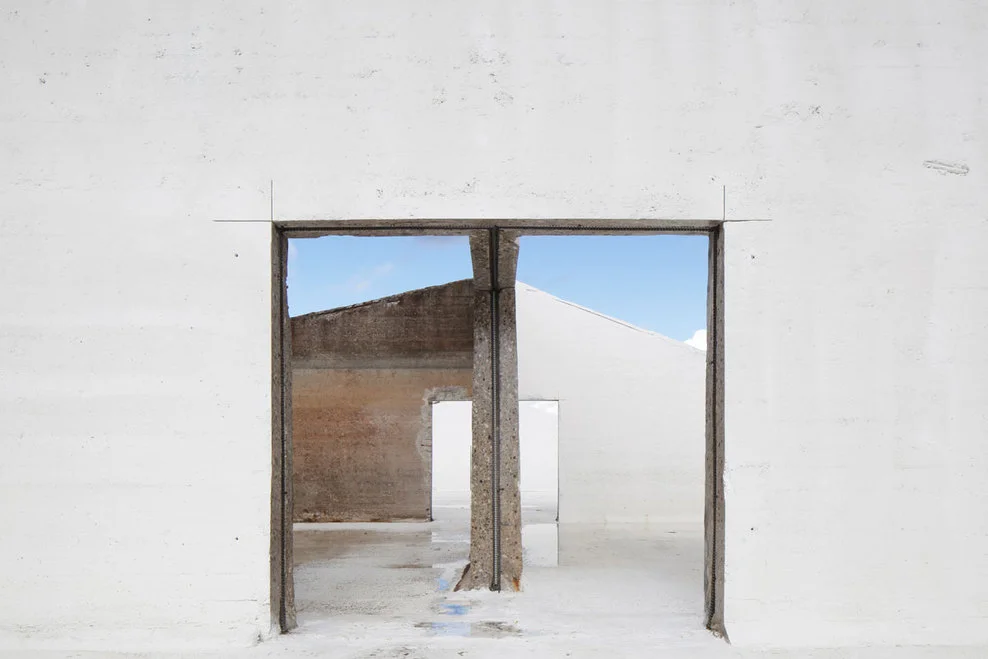
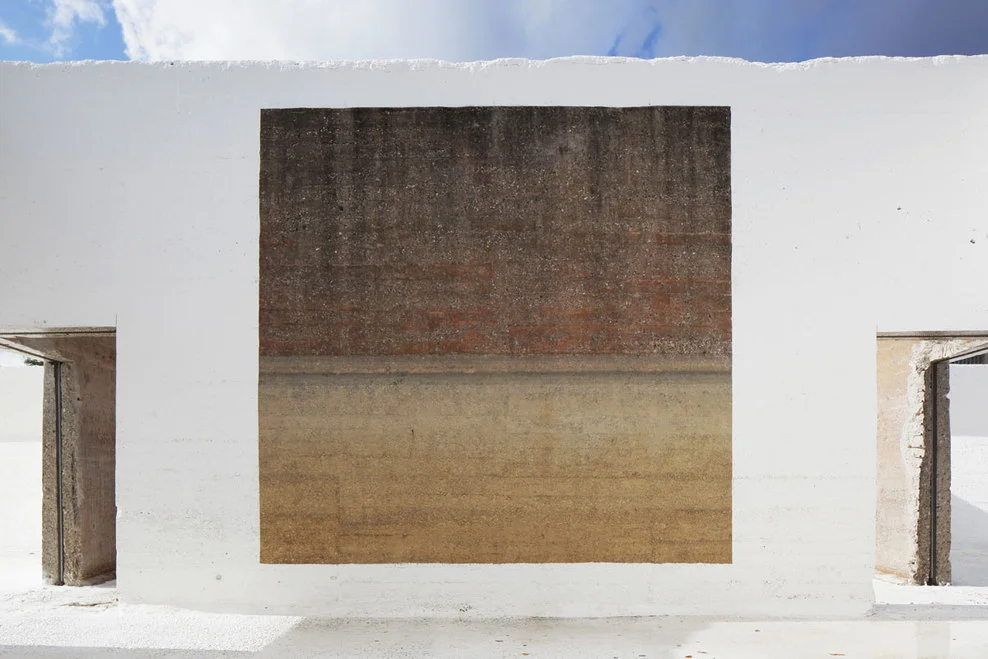
Rotor. Dok Noord, Ghent, Belgium. 2012.
Renovation of former port buildings into white-washed public outdoor gallery spaces. “It is recommended to bring sunglasses for daytime visits.”
/

Jantar Mantar, Jaipur, India, 1727-34
/
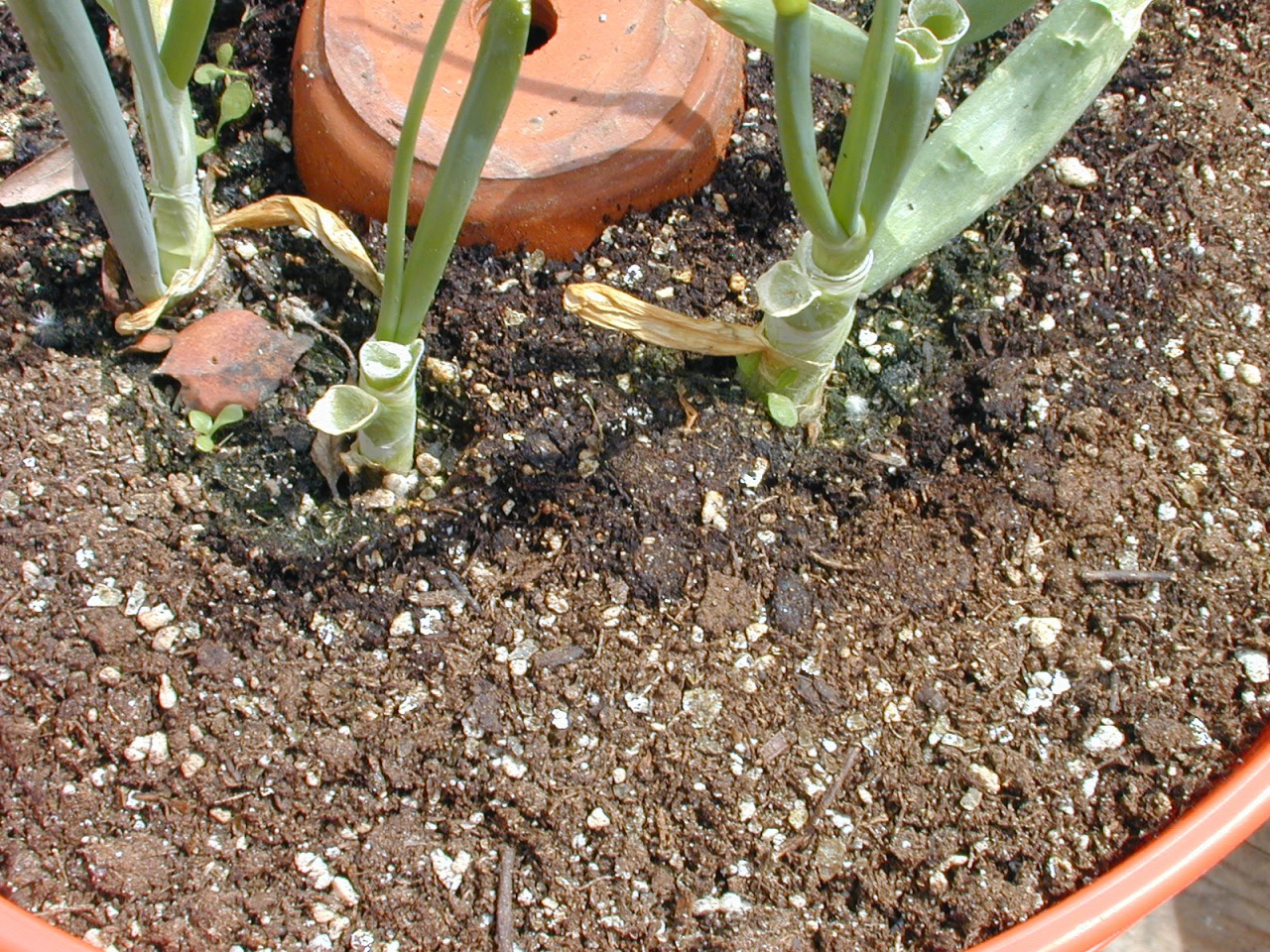

Olla Irrigation (or as one site calls it “the original drip irrigation”)
We’ve been inspired by Fan Sheng-chih Shu. His writings from the first century BC describe a method of irrigation where a unglazed clay pot is buried in the soil. When filled with water, the clay pot turns into an amazing high-tech device. The micro-pores of the clay pot allows water to seep into the surrounding soil. A key characteristic is that the water seepage is regulated by the water needs of any nearby plant. When the plant’s water demands have been fulfilled and the soil is moist, the water seepage from the clay pot will stop. When the soil becomes dry, water seepage will begin again. This seepage is controlled by soil moisture tension. It’s automatic irrigation without timers or electronic sensors!
The link above give instructions to build an Olla Irrigator out of two clay pots. They also provide some notes on how to automatically fill the Ollas using a gravity feed.
The rest of their site is also quite interesting. They have a number of ideas for making self-watering planters out of buckets and other readily available materials, including methods to automate filling of the self-watering planter reservoirs.
I have seen the buried clay pot idea mentioned in a Bill Mollison video of permaculture in dry lands on Youtube (it could be this one).
Here is a pdf discussing buried clay pot irrigation in Africa.
via decodeencode
/

Color picture postcard of a fiery sunset behind the Canyon Club, Palm Springs, late 1960’s.
/
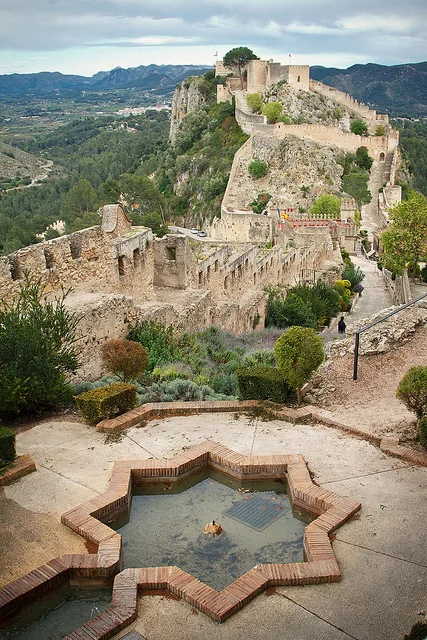
Xàtiva Castle, near Valencia, Spain (by Eladio Francés).