/

The Schweiss House
/

Bal Harbour Club, Alfred Browning Parker, Bal Harbour, Florida, 1952 (Demolished 2001) — Ezra Stoller
/
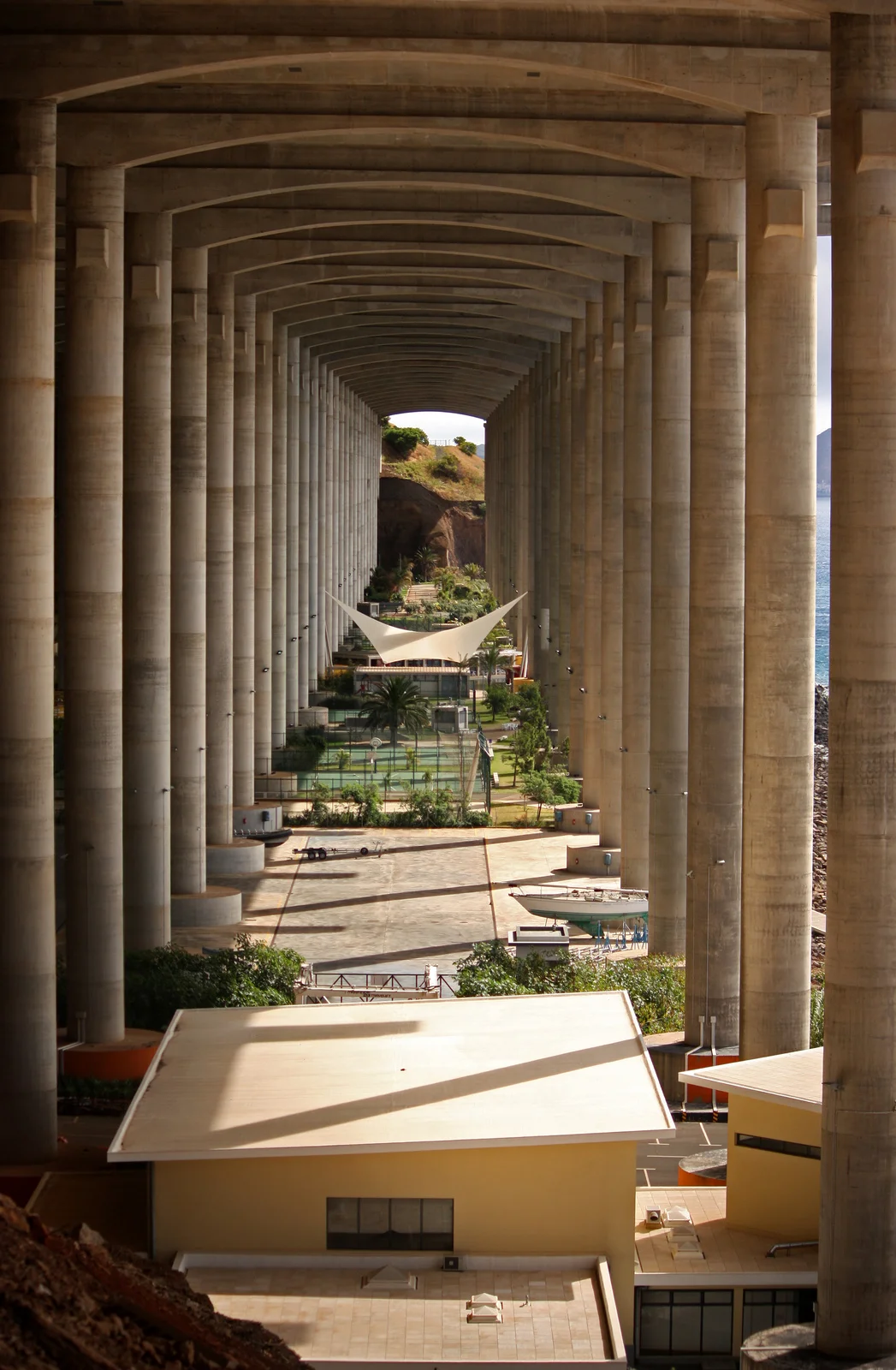
Under the runway - Madeira Airport | Andrade Gutierrez
Photograph: Andy Loghin
/


ABSTRACT
The fluidity of concrete as a material, coupled with the flexible workability of its forming process, has lead to innovations in the architectural discourse throughout history. The aim of this dissertation is to go beyond current practices of using concrete in the built environment, to enable the constructionof complex geometries analogous to the coherence of structures found in nature. State of the art materials related to concrete construction, and cutting edge computer simulations are utilized in the research. Creating a constant feedback loop between qualitative analogue prototypes and information-rich computer models.
/
/
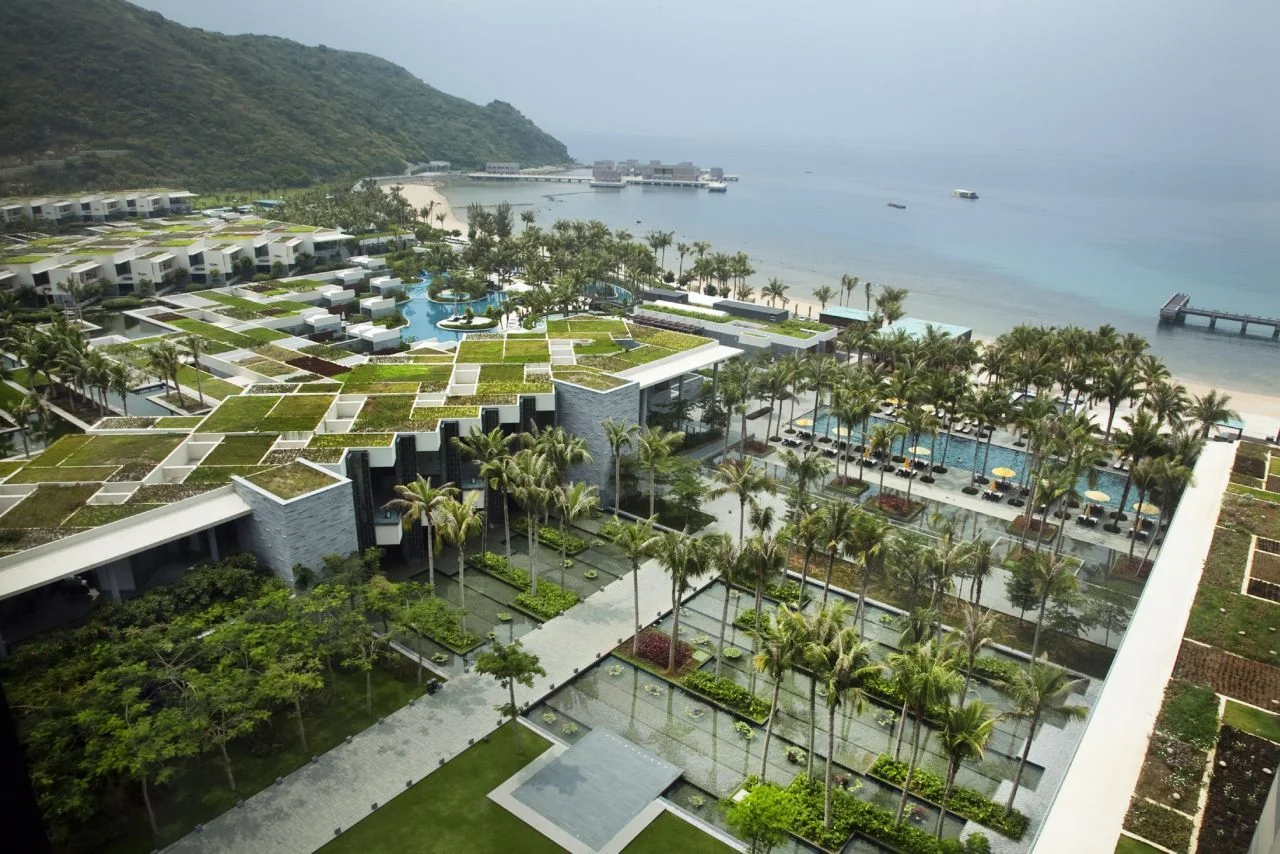
The Intercontinental Sanya Resort is in Sanya, Hainan, China
/
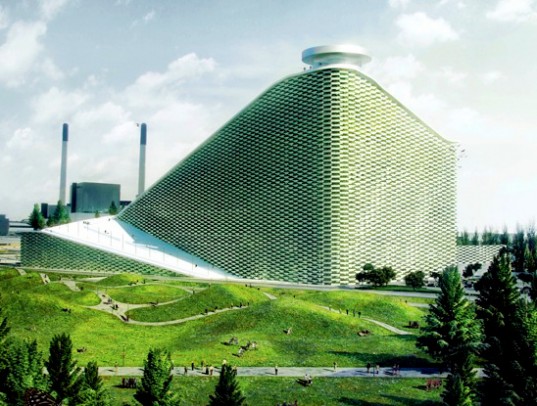

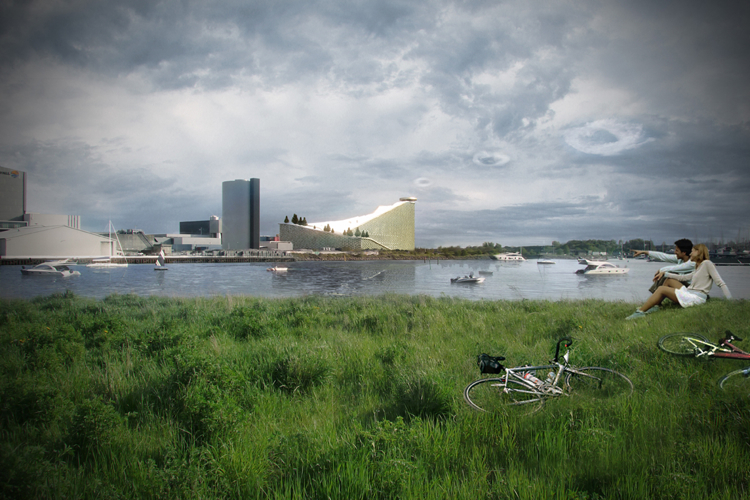

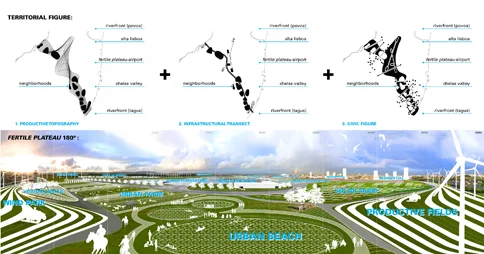
Bjark ingels Creates architecture which more than just 2/3 dimensional building he strives to design an eco-system both of ecology and economy, Looking at the flow of people and resources through the building. The architecture talks and reacts to its environment, it considering the ecosystem of ecology and economy that affect space and buildings. Ingles approach takes into consideration the flow of resources and works to integrate the consumption patterns within the architectural framework of buildings.
The architectures work to challenge conventional design of which is sustainable, that can improve the quality of life for the space users.
Historically the field of architecture has been dominated by two opposing extremes. On one side an avant-garde full of crazy ideas. Originating from philosophy, mysticism or a fascination of the formal potential of computer visualizations they are often so detached from reality that they fail to become something other than eccentric curiosities. On the other side there are well organized corporate consultants that build predictable and boring boxes of high standard. Architecture seems to be entrenched in two equally unfertile fronts: either naively utopian or petrifyingly pragmatic. We believe that there is a third way wedged in the nomansland between the diametrical opposites. Or in the small but very fertile overlap between the two. A pragmatic utopian architecture that takes on the creation of socially, economically and environmentally perfect places as a practical objective.
The Danish Pavilion for Expo 2010 by Bjarke Ingels Group

/
/
/
/
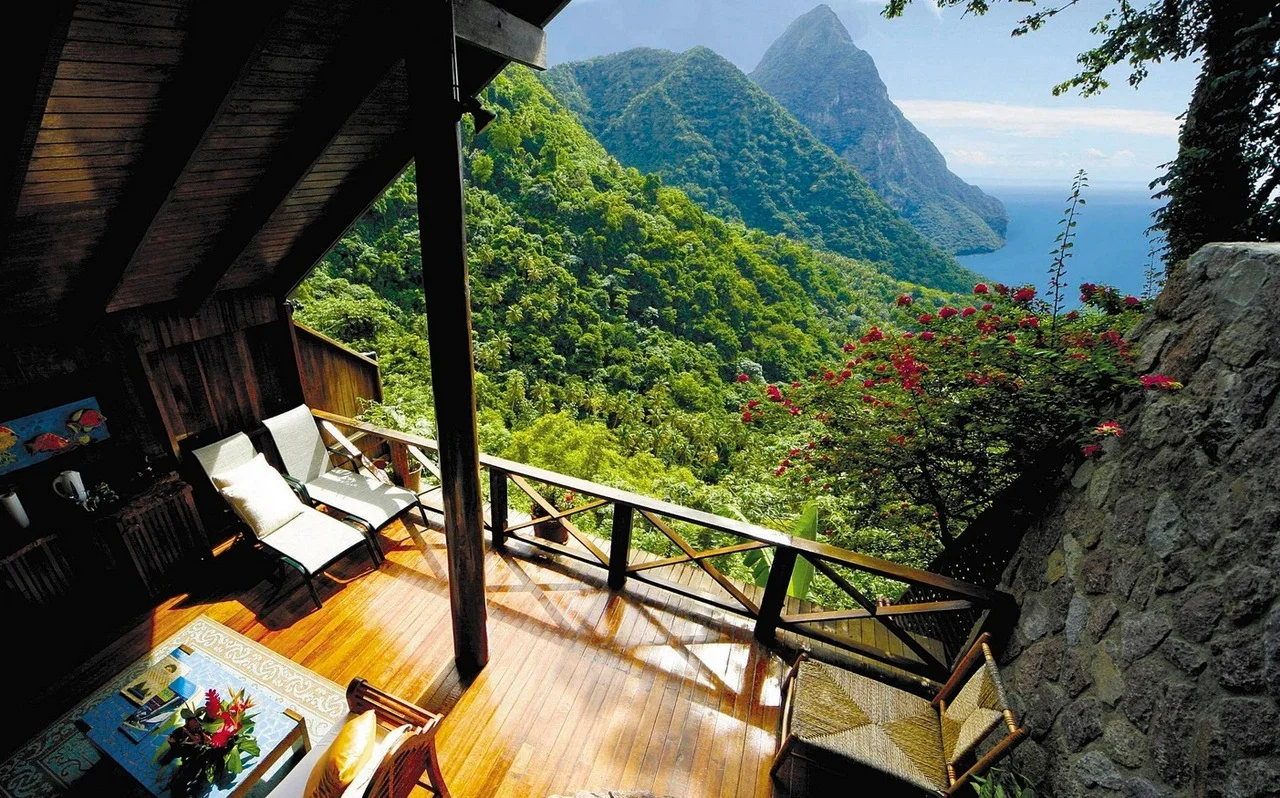
The Balcony of Gods.
/


Madada Mogador - Essaouira, Morocco
Ideally located on the shores of the Atlantic, Madada Mogador is a luxury riad where intimacy and silence invites you to relax. Build in the spirit of a loft, the riad features 4 bedrooms on the first floor and 3 more on the beautiful terrace, from where you can enjoy breathtaking views over the fishing port and beach.
/
/
/

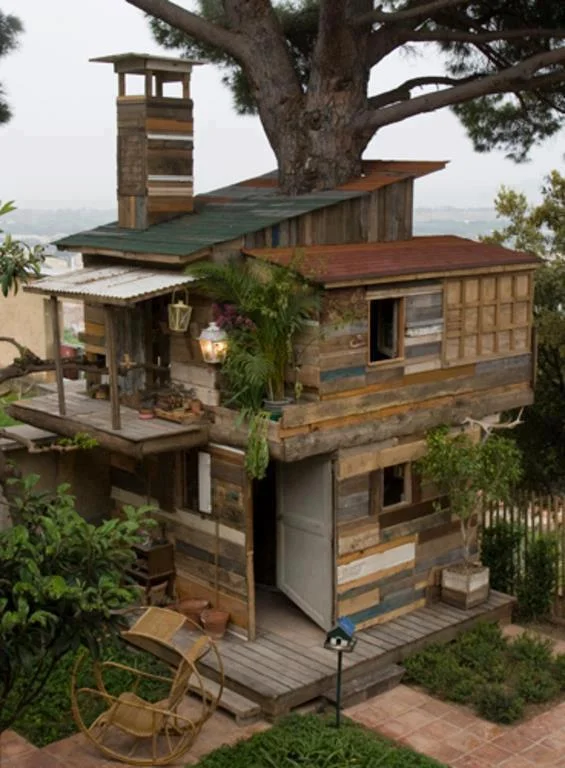
wow can this be my bathroom?
q’d school :(
/
queued ☯
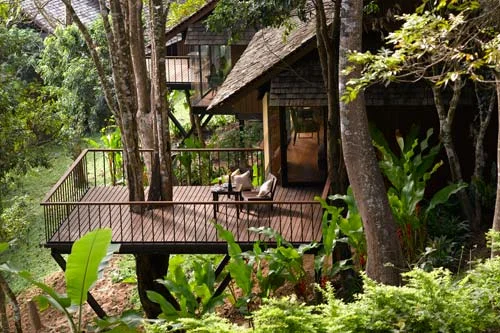
Wow I would love to spend a week there
/
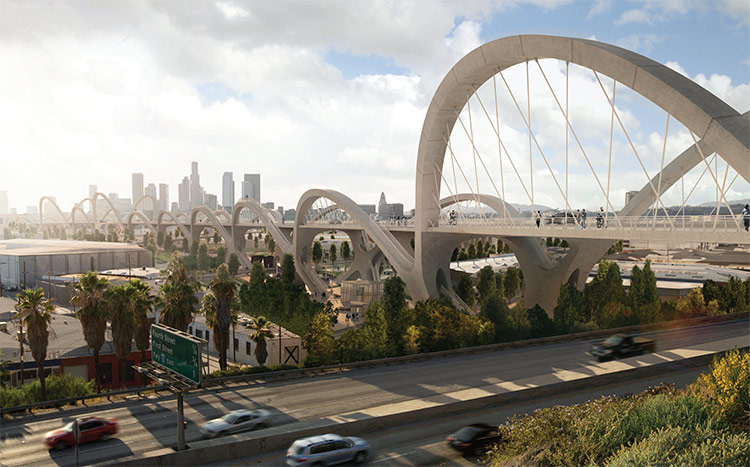

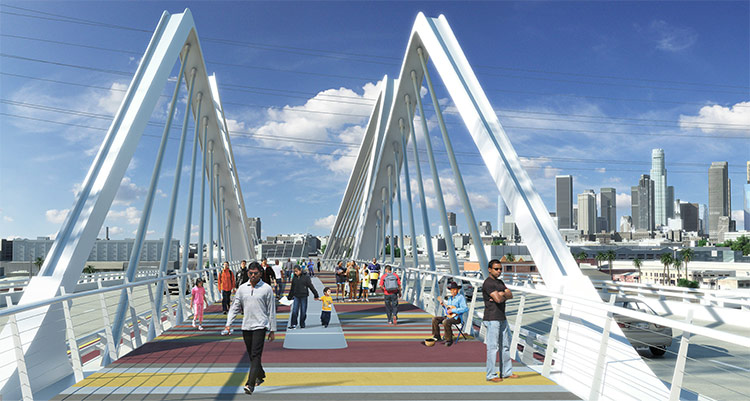

LA’s new Sixth Street Viaduct design proposals from HNTB and Parsons Brinckerhoff. I like the HNTB one! $400 million project connecting downtown LA and Boyle Heights.
/
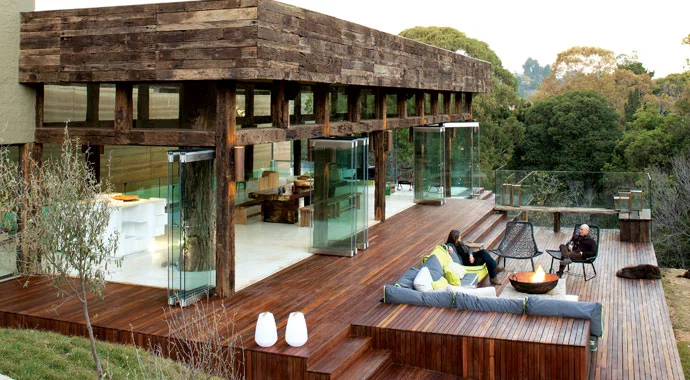
Westcliff Pavilion by Silvio Rech Lesley Carstens Architecture