/
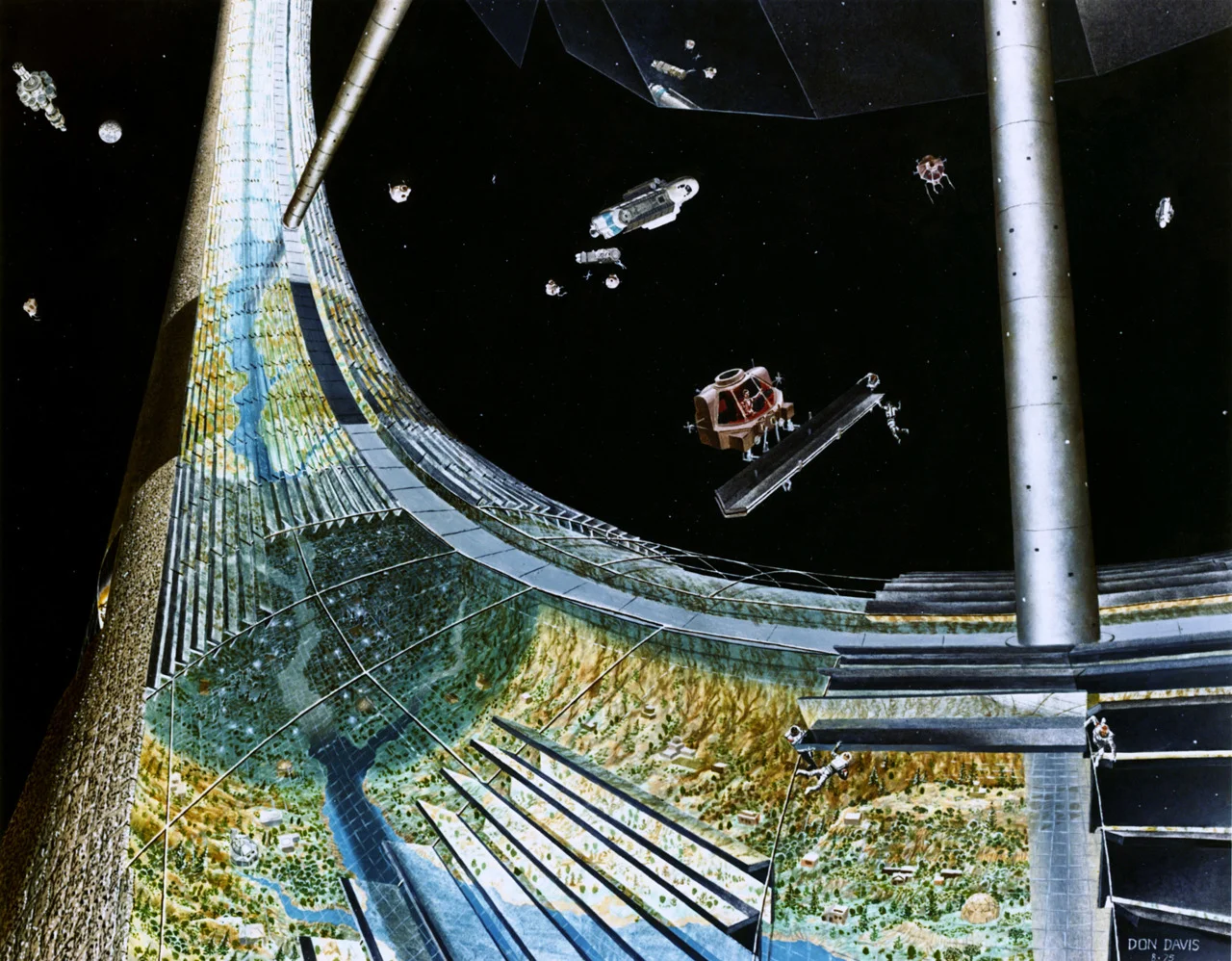
Oil on board for NASA
/
/
The man who isn’t there
You might say that Liu Bolin likes to blend in.
But the Chinese artist does more than just wear camouflage pants and stand next to a bush. With the help of some assistants, Bolin paints himself, head to toe and unassumingly just stands there—in grocery stores, next to piles of coal, on staircases, you name it. And, unless you look really closely, you’ll miss him entirely—which is pretty much the point.
Liu Bolin/Eli Klein Fine Art
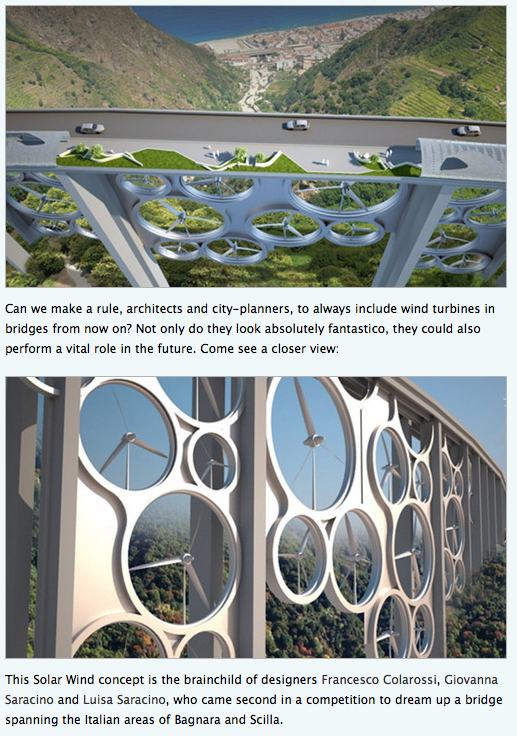
Windshape / nArchitects | ArchDaily /
/
/
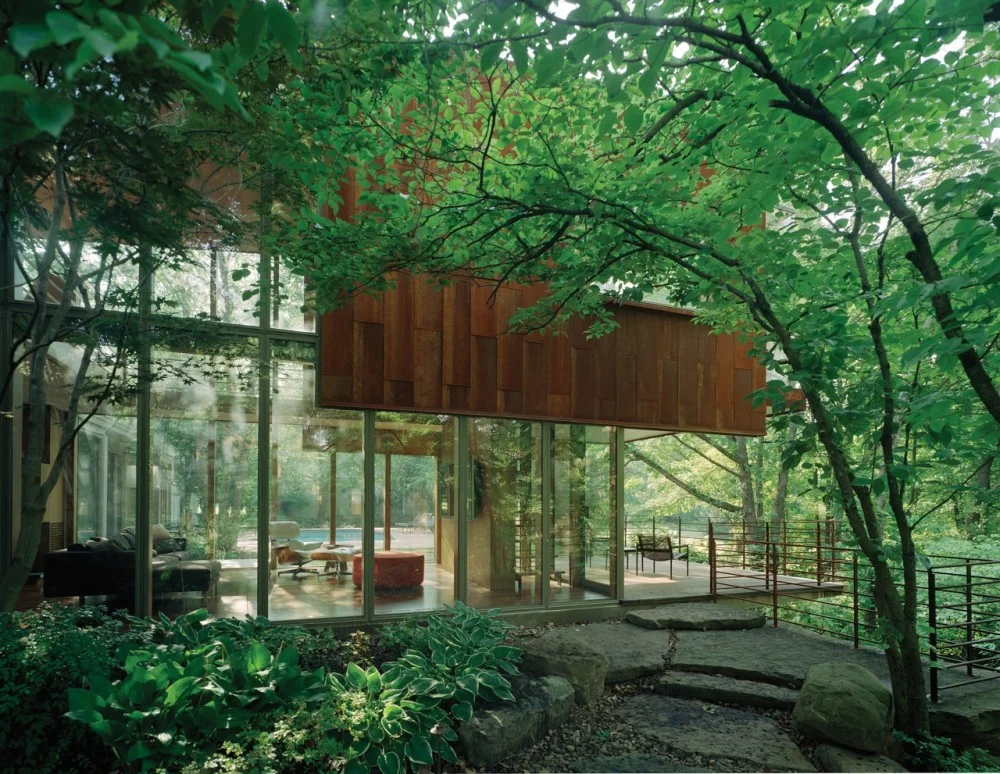
Arkansas House / Marlon Blackwell Architect. via: archdaily
/
/


see more images, drawings, info…
http://www.archdaily.com/87063/cor-oppenheim-architecture-design/
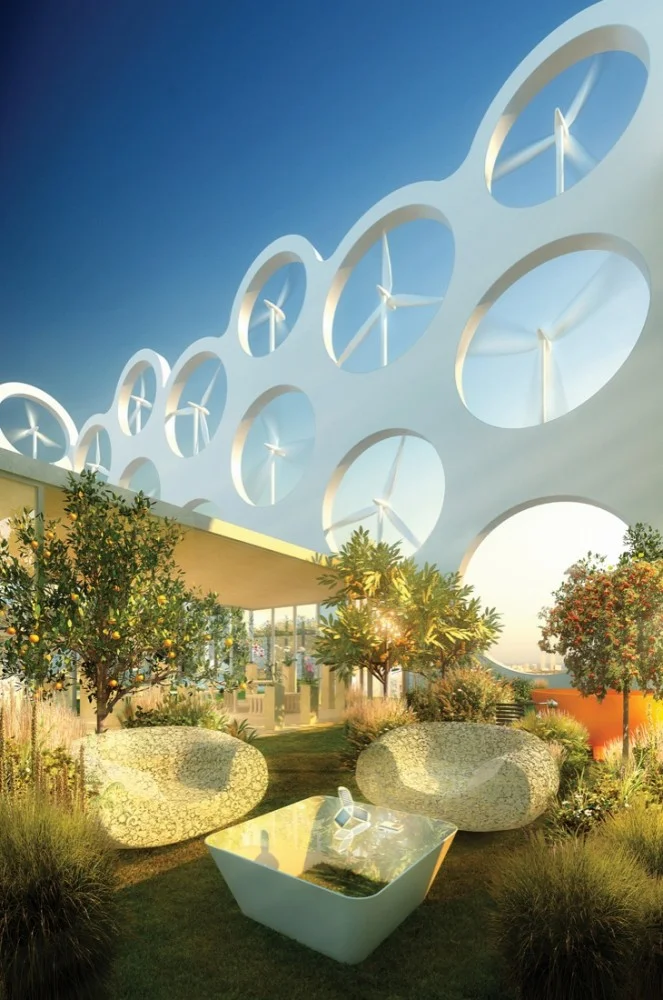
“The ambitious project to design the first sustainable mixed-use condominium in Miami has been getting a lot of buzz and rightfully so. At 400′ tall it represents a dynamic synergy between architecture, structural engineering, and ecology. Extracting power from its environment utilizing the latest advancements in wind turbines, photovoltaics, and solar hot water generation COR upon completion will be seeking a LEED Platinum certification. The polka dotted hyper-efficient exoskeleton shell simultaneously provides building structure, thermal mass for insulation, shading for natural cooling, enclosure for terraces, armatures for turbines, and loggias for congregating on the ground. Comprising commercial, office, fitness, live/work, and pure residential spaces (113 residences from studios to penthouses)—COR provides a uniquely flexible platform for lifestyle enhancement.
Last week on ArchDaily we featured our interview with Chad Oppenheim founding partner ofOppenheim Architecture + Design. Below is a portion of the interview regarding the design of COR, and the full interview can be found here.
Architects: Oppenheim Architecture + Design
Location: Miami, Florida, United States
Project Team: Chad Oppenheim, Carlos Ramos, Juan López, Carolina Jaimes, Juan Calvo, Hugo Mijares, Jessica Santaniello Barrera, Rodrigo Londoño and Camilo Orozco
Client: Nexus Development Group
Project Area: 480,000 sqf
Project Year: Estimated 2011
Renderings: Dbox
Environmental design techniques incorporated into the design:
/
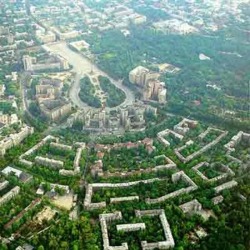
HOW GREEN IS YOUR CITY? (Not as green as Kharkov)
In the new urbanism drive for green, well vegetated cities - Planners, Architects and Landscape Architects seek exemplars to pad their reports. However, I have yet to see a KHARKOV (Kharkiv) in many reports.
This is a city that is so well vegetated its Google earth is almost green at every scale. And we are not talking a small town. Kharkov, at 1.5 million people is Ukraine’s second biggest city.
There is little in the way of images or descriptions that celebrate the treed streets. Is it that this is not on designers’ radars- stranded in the former Soviet block between the design capitals of Western Europe and East Asia; or is it the streets do not gain additional urban function from the green. The city has its share of Soviet style architecture, but even a lot of this is set amidst the green (for an outsider, talk about cognitive dissidence).
/

/

Always interested me.
Megaregions/megacities. Boston/NYC/Philly will merge into one huge city.
/
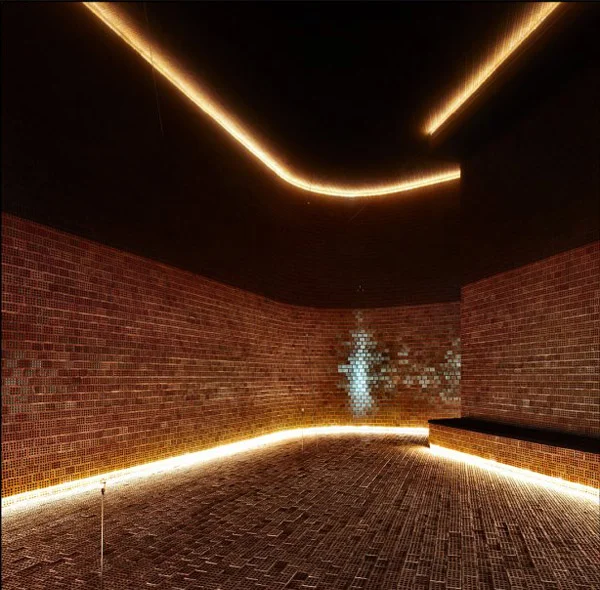
Clay bricks have been used as a building tool by ancient civilizations from the Mesopotamians to the Pueblo Indians. Leave it to our 21st century compatriots to figure out a way to render them transparent.
/

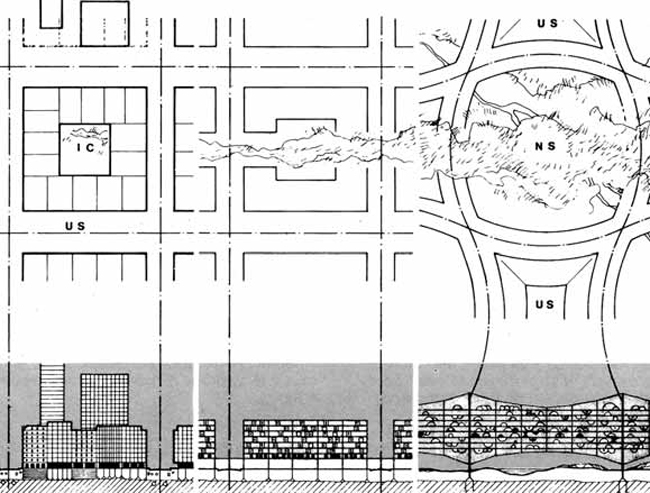
Takis Zenetos - A proposal for suspended turbines situated in a gorge to generate electricity, years before wind-power came into prominence, early 1960s.
/
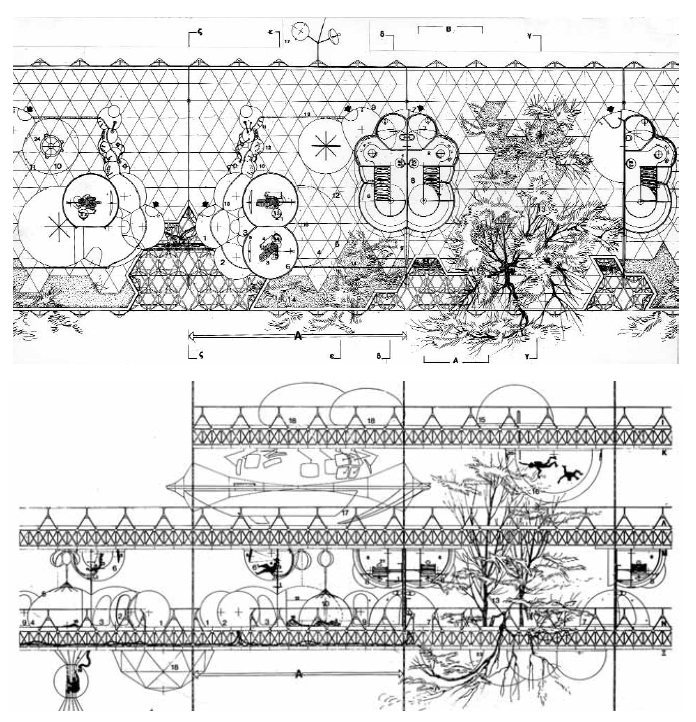

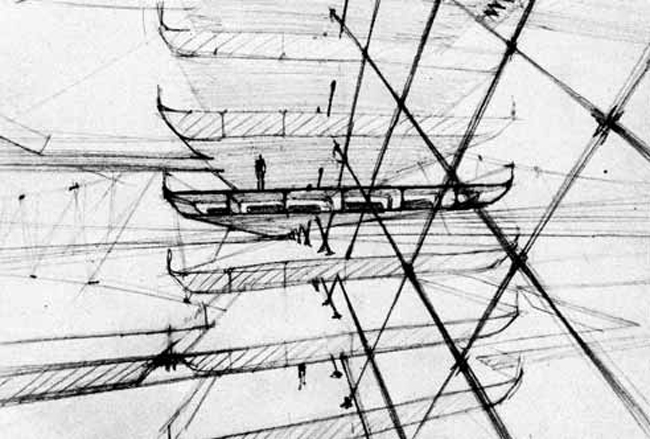

http://dprbcn.wordpress.com/2010/01/16/takis-zenetos-electronic-urbanism/
“…
Takis Zenetos was born in Athens, Greece, and would design some of the most beautiful buildings in Greece during the 60′s and early 70′s. He studied at the Ecole des Beaux-Arts in Paris, graduating in 1954. Living in Paris in the lively atmosphere of pioneering artistic and cultural life of the postwar period. His few remaining modernist buildings are out of favor and some are targets for demolition. Sadly, Zenetos committed suicide in 1977.
Zenetos worked in some interesting avant-garde speculative projects, one of them known as Electronic Urbanism. The basic idea of Electronic Urbanism [which Zenetos designed, developed and investigated from 1952 to 1974] is the creation of a system with diverse levels and locations for different urban functions, primarily residential, suspended from natural environments [as cantilevers or mountains] and integrated with all communications technologies, that allow wide-ranging connections among people and social groups. The extensive use of tele-work, tele-management, tele-medicine and tele-education redefines the human environment geared to free communication and creative occupation.
As Jane Jacobs says in her great book The Death and Life of Great American Cities:
Cities are an inmense laboratory of trial and error, failure and success, in city building and city design. This is the laboratory in which city planning should have been learning and forming and testing its theories.
Even if Zenetos didn’t have the opportunity to know if the ideas behind Electronic Urbanism would have worked or not, his approach to technologies focused on telecommunications, was really innovative for the time.
…
”
/



I love Françoise Bollack of Françoise Bollack Architects. He creates the most unique-slightly bizarre spaces. Example, this small 3-leveled, roof garden accessed renovated open floor loft in the Chelsea neighborhood of New York, NY.
/
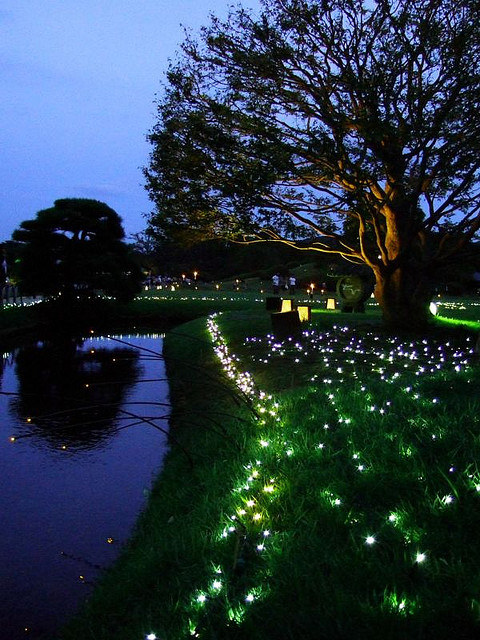
Magical Lighted Park, Okayama, Japan
/

ARC International Wildlife Crossing Infrastructure Design Competition finalist - JRA
Find out more at: http://www.arc-competition.com/finalists.php
/
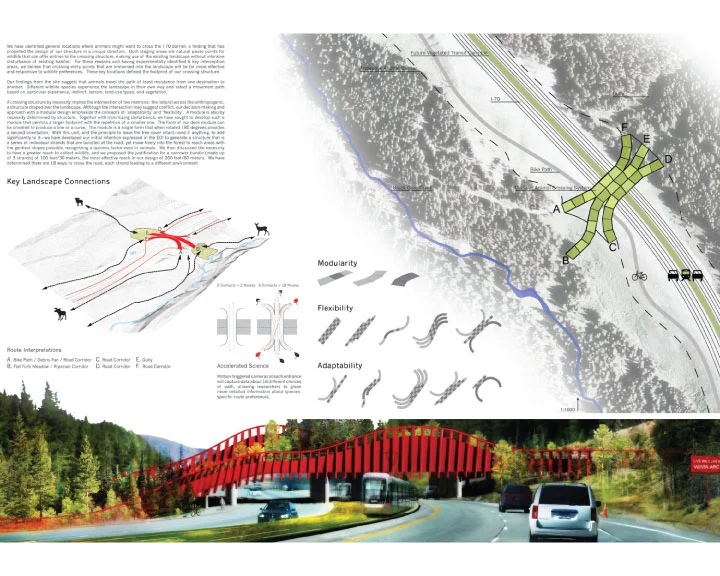
ARC International Wildlife Crossing Infrastructure Design Competition finalist - JRA
Find out more at: http://www.arc-competition.com/finalists.php
/
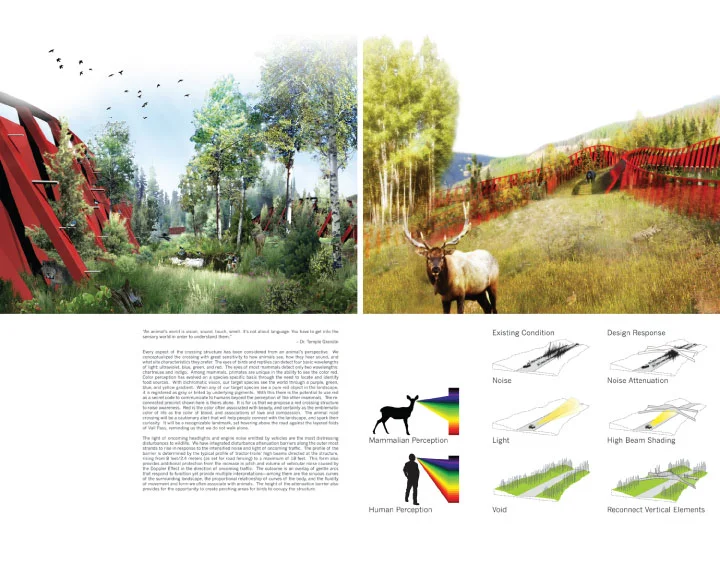
ARC International Wildlife Crossing Infrastructure Design Competition finalist - JRA
Find out more at: http://www.arc-competition.com/finalists.php