
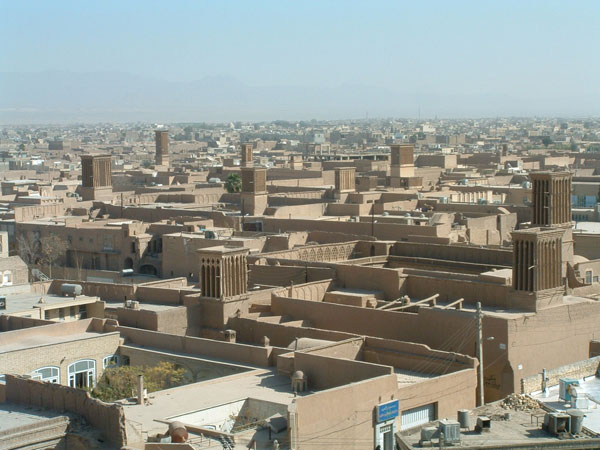
“The city of Yazd’s first mention in historic records predate it back to around 3000 years B.C. when it was related to by the name of Ysatis, and was then part of the domain of Medes, an ancient settler of Iran. In the course of history due to its distance from important capitals and its harsh natural surrounding, Yazd remained immune to major troops’ movements and destruction from wars, therefore it kept many of its traditions, city forms and architecture until recent times. One of the distinctive features of the cities of Yazd province which distinguish it from other cities is the existence of various wind catchers. A wind catcher is a high structure on the roof under which, in the interior of the building, there is a small pool. It is capped and has several directional ports at the top (traditionally four). By closing all but the one facing away from the incoming wind, air is drawn upwards using the Coanda effect, similar to how opening the one facing the wind would push air down the shaft. This generates significant cooling ventilation within the structure below, but is not enough to bring the temperature below ambient alone. The key to generating frigid temperatures is due to the existence of a significant air gap above the pool. Completely shaded from the sun, the pool aggregates the cold, sinking air of the night, which is then trapped within, unable to rise up to the less dense surface air. A wind catcher, however, can create a pressure gradient which sucks at least a small amount of air upwards through a house. This cool, dry night air, being pulled over a long passage of water, evaporates some of it and is cooled down further. …” http://historicaliran.blogspot.com/2009/12/wind-catchers-of-yazd.htmlWind Catchers of Yazd
/
/
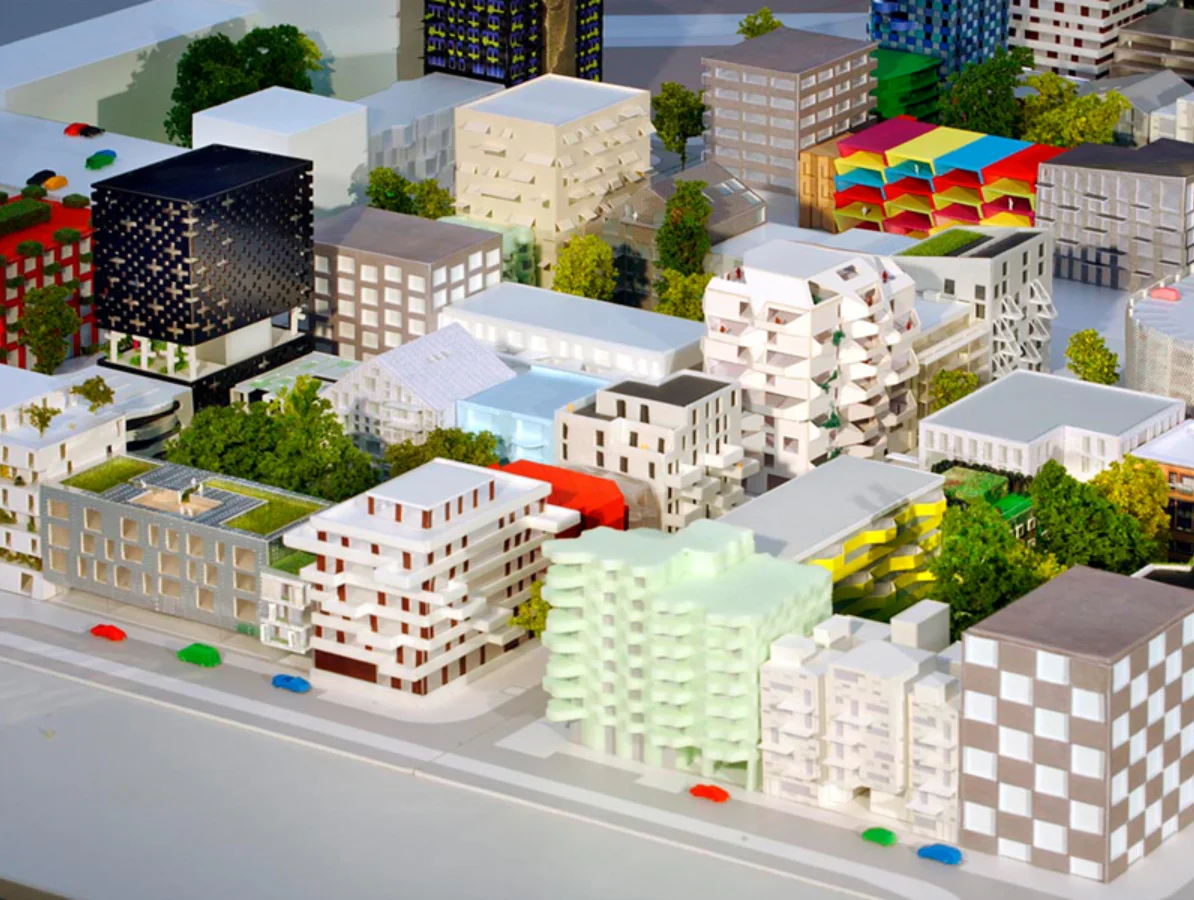
MVRDV
/
/
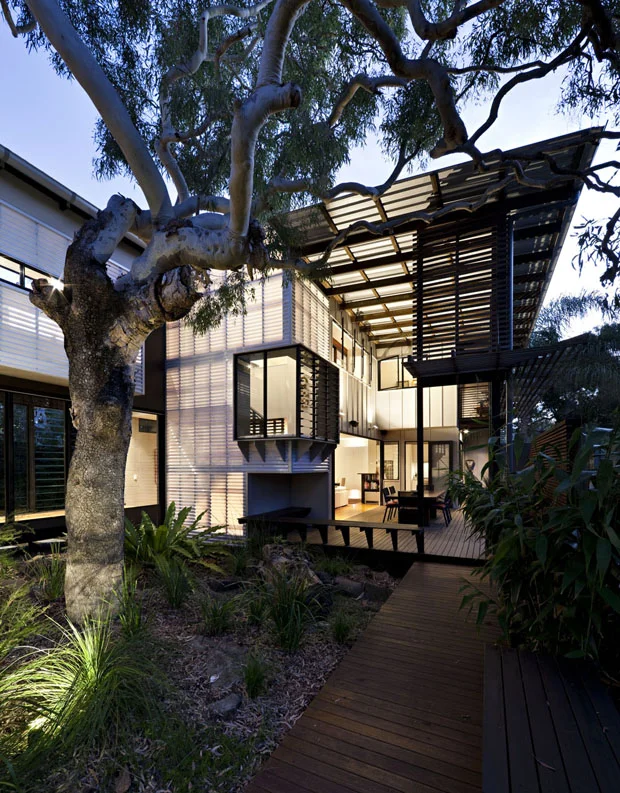
/
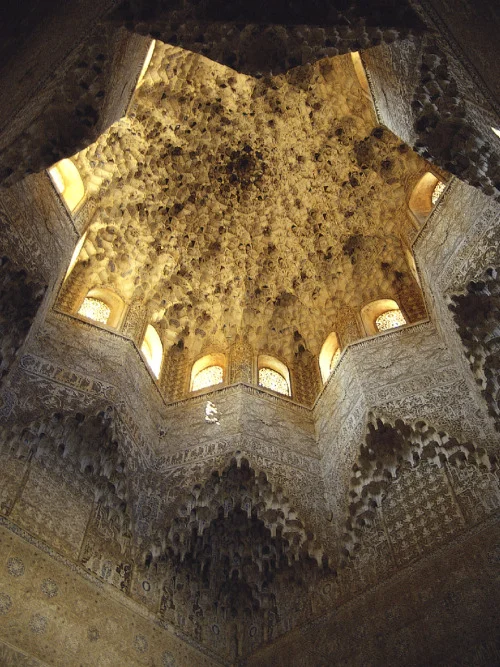
Muqarnas Dome of the Calat Alhambra in Granada, Spain (c. 14th cent.)
/
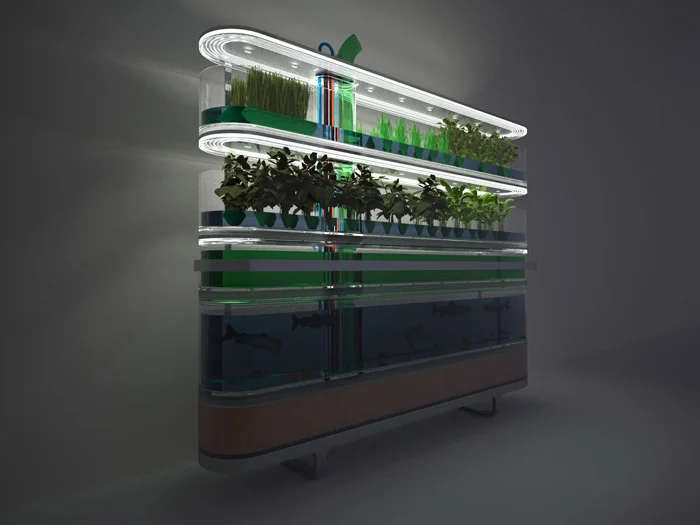
Home Farming
Design Probes, Philips, 2008
Explores growing at least part of your daily food inside your house. This Biophere home farm contains fish, crustaceans, algae, plants and other mini-ecosystems, all interdependent and in balance with each other. Making families all over the world at least partly self-sufficient in this way has obvious appeal.
/
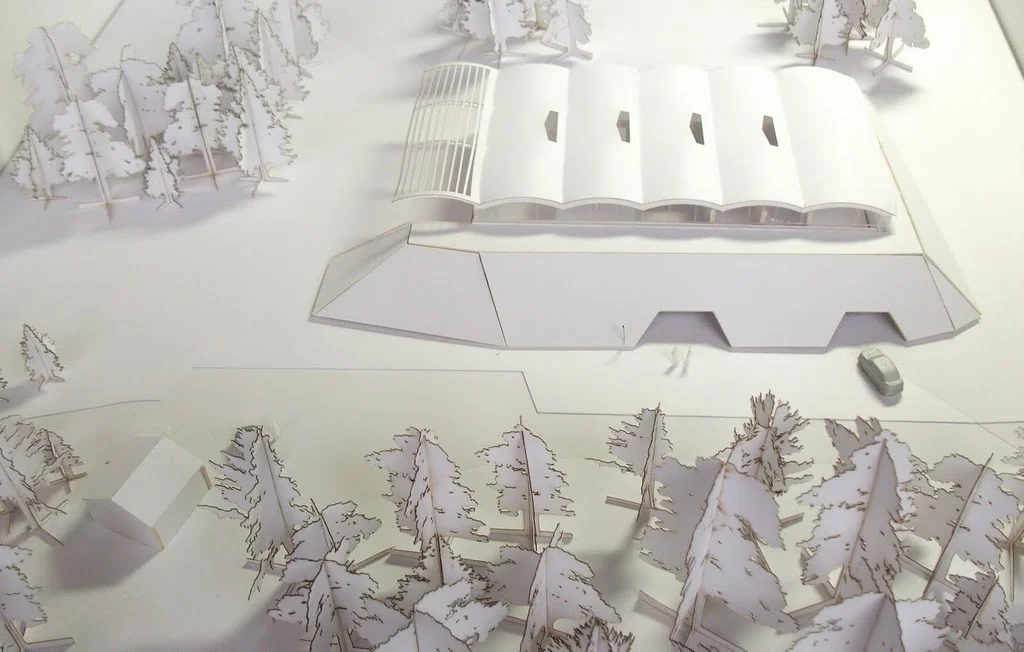
Greenhouse Home /


Historic Wilshire Blvd /
Shipping Container Hide-a-House /


→ under construction ← /
Fidalga_727 [São Paulo] by Triptyque
Eleven units fully customizable, each one with a remarkable element (outdoor space, or double height or terrace or garden).
Looks like being what most residential buildings are not actually (and should be): simple but not ’mass designed’.

/
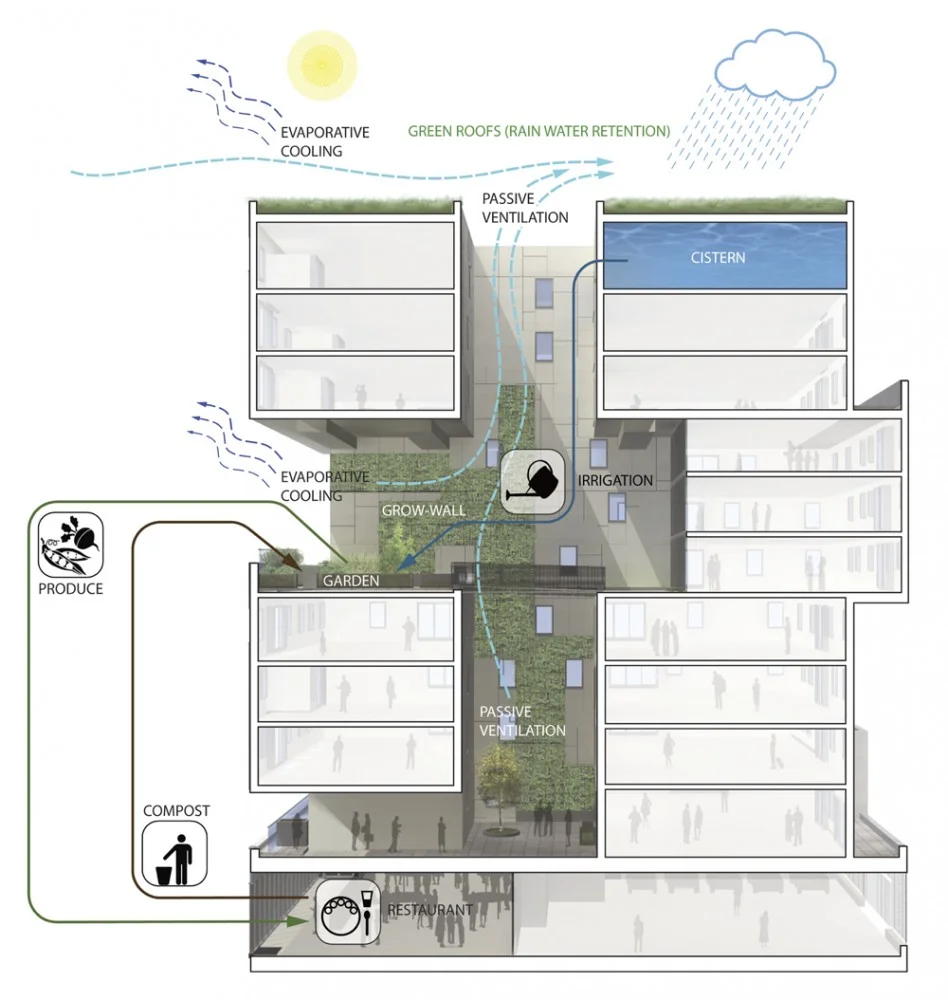
Toronto Housing Project is its own Sustainable Ecosystem
via: Fast Company Design
/
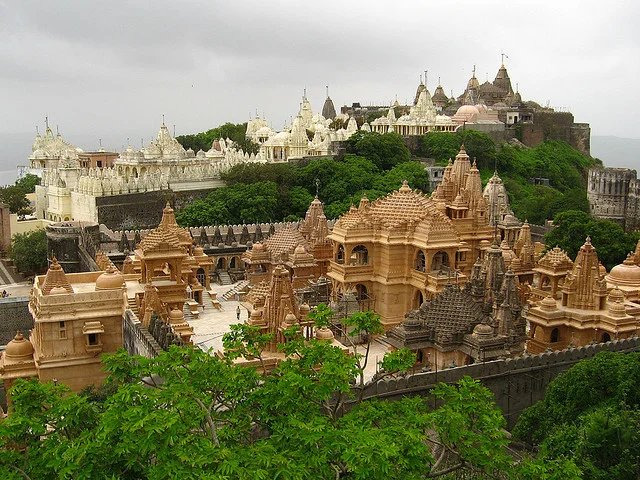
Palitana Jain Temples, India, Asia
© Prerak Shah
/
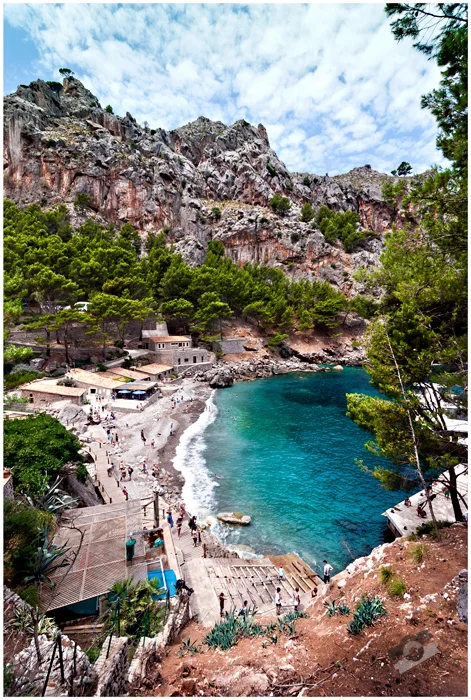
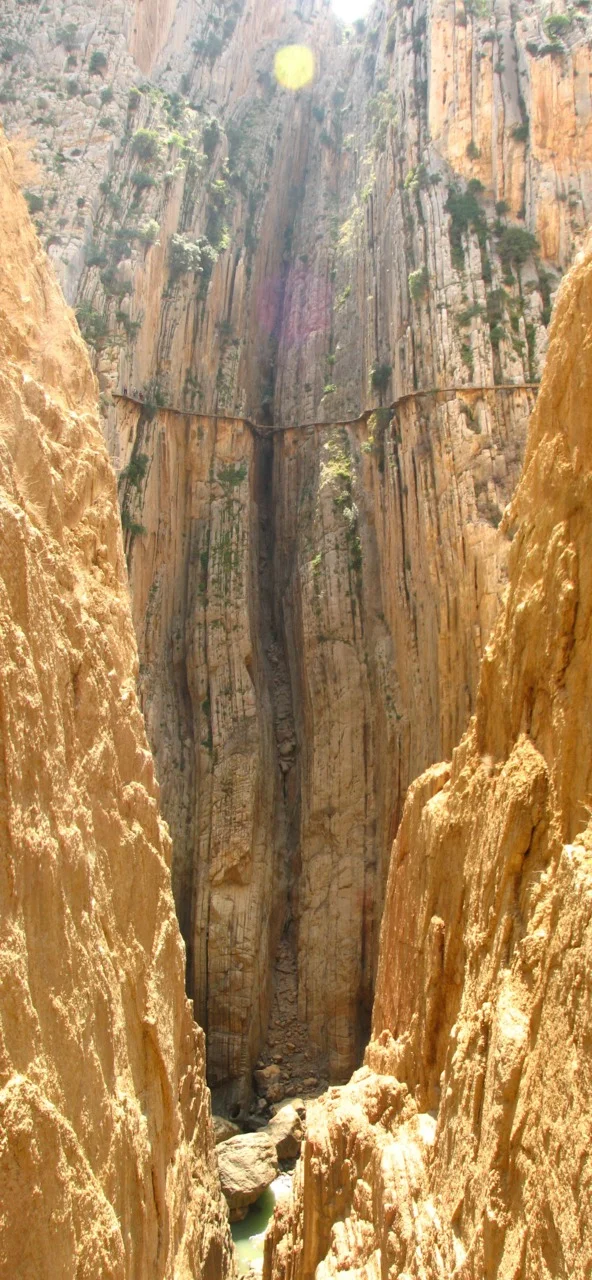
Sa Calobra, Palma de Mallorca
/
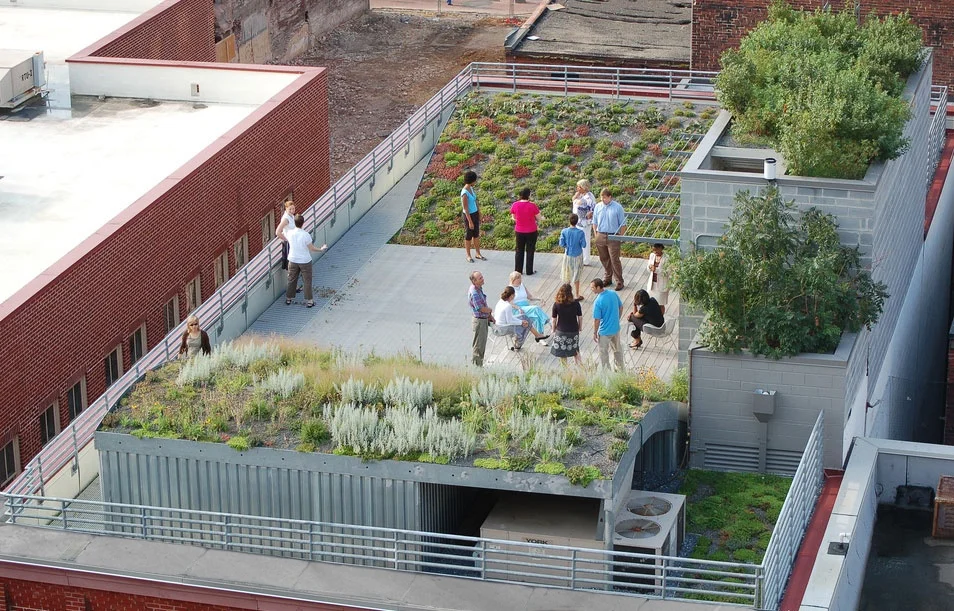
Awards of Excellence 2010
http://www.greenroofs.org/index.php/awardsexcellence/2010-awards
/
/
/
![…..
In a groundbreaking study [streetfilms.org] conducted in 1969, Donald Appleyard provided the first emperical evidence of the impact of traffic on neighborhood streets. In particular, he investigated 3 different streets in San Francisco th…](https://images.squarespace-cdn.com/content/v1/54e6c8ece4b0663b4a76f755/1437626467730-WO1EXDRC5NTOV4N46VJF/image-asset.jpeg)
…..
In a groundbreaking study [streetfilms.org] conducted in 1969, Donald Appleyard provided the first emperical evidence of the impact of traffic on neighborhood streets. In particular, he investigated 3 different streets in San Francisco that were chosen to be as identical as possible in every dimension except for one - the amount of traffic on each street. The study was able to show that just the mere presence of cars, with their implied aspects of danger, noise and pollution, crushes the quality of life in neighborhoods.
……
/
Donald Appleyard’s Livable Streets from Streetfilms
…People on streets with little traffic have more friends on that street than people who live on high traffic streets at 3 to 0.8 ratio….
…Perception increases to details, plantings, etc with less traffic…