Animation of the assembly of Jean Prouve’s La Maison Tropicale.
/
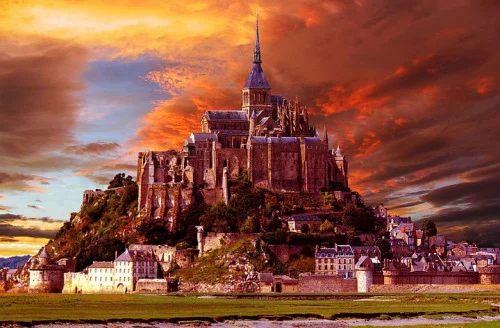
Mont St. Michel, Normandy, France.
/

/

Landscape Infrastructure
It is interesting to see this being compared to the High Line. To me this understanding is a misnomer. The High Line is where Landscape Architecture has been requested to solve dead infrastructure. (this is not to say the High Line is not an exceptional project and has large ecological and social benefits). However, this project is fundamentally different. This project reinterprets live infrastructure and refashions it a “Landscape Infrastructure”…One where infrastructure is a facilitator of the public realm.
“Urban planner and architect Manit Rastogi has an idea that makes the High Line look like child’s play: turning the 350 kilometers of storm water drains — now mostly filled with untreated sewage — in Delhi into a network of landscaped paths for pedestrians and cyclists. If he can pull it off, India’s capital will be greener, cleaner, and safer for its 17 million residents.”
Sewers as Sidewalks: Delhi Ups the Urban Reuse Ante : TreeHugger
/
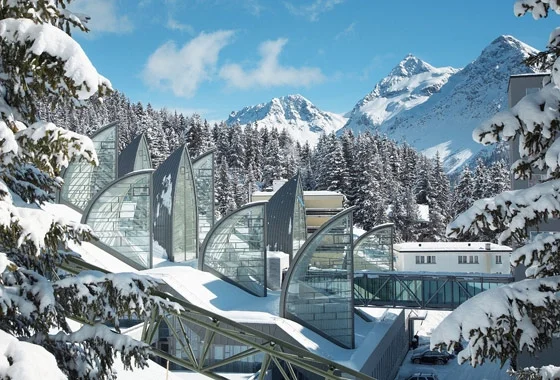
Mario Botta - Berg Oase Wellness Center and Spa, Arosa 2006. Via.
/
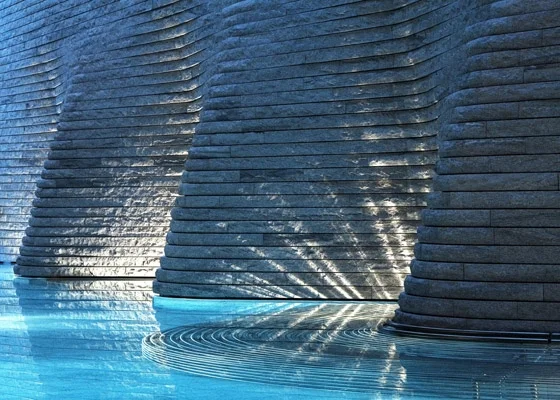
Mario Botta - Berg Oase Wellness Center and Spa, Arosa 2006. Via.
/

/
/
/
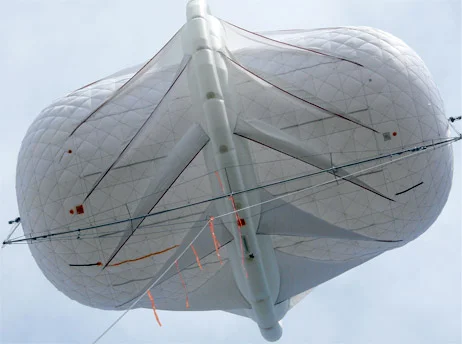
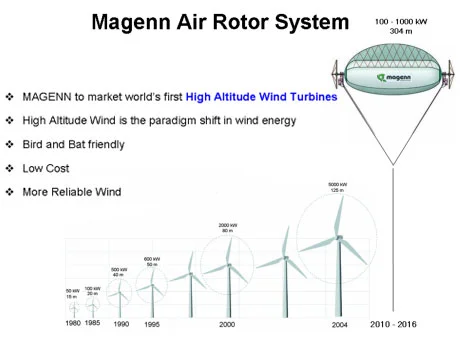
-“Magenn Power’s high altitude wind turbine called MARS is a Wind Power Anywhere™ solution with distinct advantages over existing Conventional Wind Turbines and Diesel Generating Systems including: global deployment, lower costs, better operational performance, and greater environmental advantages.
MARS is a lighter-than-air tethered wind turbine that rotates about a horizontal axis in response to wind, generating electrical energy. This electrical energy is transferred down the 1000-foot tether for immediate use, or to a set of batteries for later use, or to the power grid. Helium sustains MARS and allows it to ascend to a higher altitude than traditional wind turbines. MARS captures the energy available in the 600 to 1000-foot low level and nocturnal jet streams that exist almost everywhere. MARS rotation also generates the "Magnus effect” which provides additional lift, keeps the MARS stabilized, and positions it within a very controlled and restricted location to adhere to FAA (Federal Aviation Administration) & Transport Canada guidelines. The Advantages of MARS over Conventional Wind Turbines: Wind Power Anywhere™ removes all placement limitations. Coast-line or off-shore locations are not necessary to capture higher speed winds. Reaching winds at 1,000-feet above ground level allow MARS to be installed closer to the grid. MARS is mobile and can be rapidly deployed, deflated, and redeployed without the need for towers or heavy cranes. MARS is bird and bat friendly with lower noise emissions and is capable of operating in a wider range of wind speeds - from 4 mph to greater than 60 mph. The Advantages of a MARS combined Wind and Diesel Solution over a Diesel Generator-only solution: MARS can complement a diesel generator by offering a combined diesel-wind power solution. MARS can provide power for a cost that is well below the range of cost for diesel power of $0.50 cents to over $1.00 per kWh in many locations, reflecting the fuel and transportation costs. The MARS combined solution allows lower pollution and green house gas emissions. It also results in lower handling, transporting, and storage costs. MARS Target Markets: Mini-Grid applications in developing nations where infrastructure is limited or non-existent; off-grid combined wind and diesel solutions for island nations, farms, remote areas, cell towers, exploration equipment, backup power & water pumps for natural gas mines; rapid deployment diesel & wind solutions (to include airdrop) to disaster areas for power to emergency and medical equipment, water pumps; on-grid applications for farms, factories, remote communities; and wind farm deployments.“
/


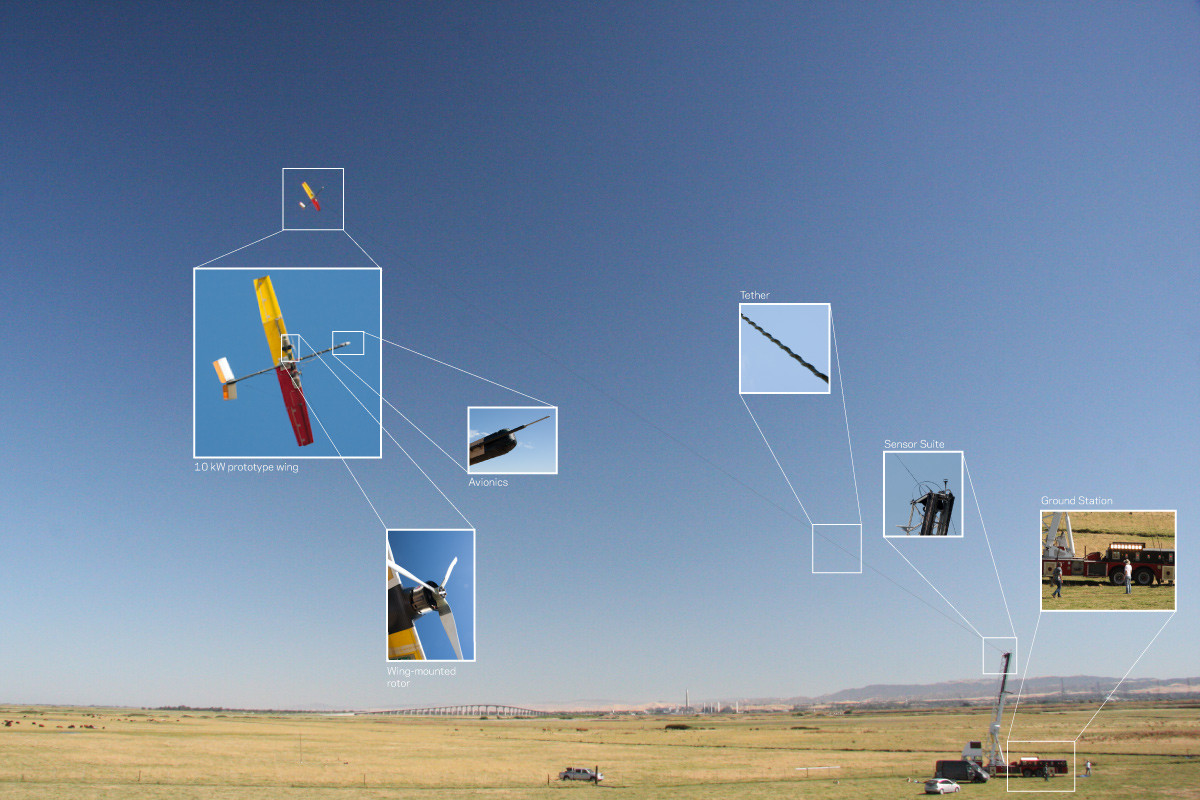

Makani Power is developing Airborne Wind Turbines (AWT) to extract energy from powerful, consistent winds at altitude. Makani AWTs will produce energy at an unsubsidized real cost competitive with coal-fired power plants, the current benchmark of the lowest cost source of power. This website highlights the rigorous small-scale testing program Makani has undertaken to demonstrate core functionality and validate performance expectations for the M1, Makani’s first utility-scale 1 MW system.
/
Helix, a San Diego-based wind company, is working on a wind turbine that is designed to power base stations in hard to reach, remote locations from Africa and the US. Their wind turbines are not looking like the standard ones you see in open fields anywhere in the world, but they’re looking just like helixes. They produce vertical wind turbines, and the advantage is that the wind can power them from any direction
/
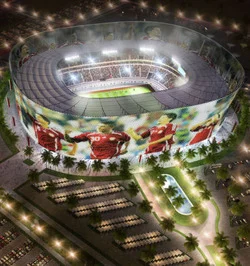
Qatar Stadiums for 2022 FIFA World Cup, Qatar
/
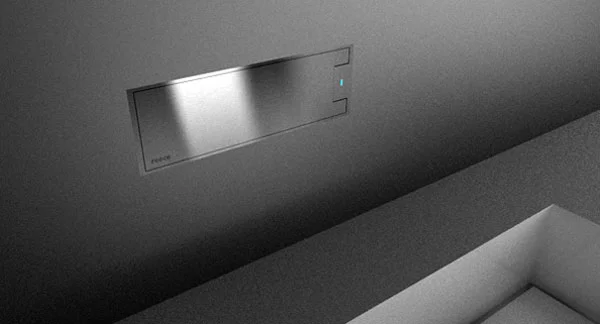
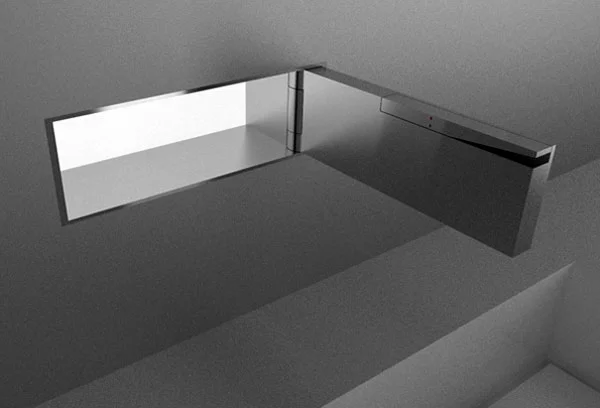
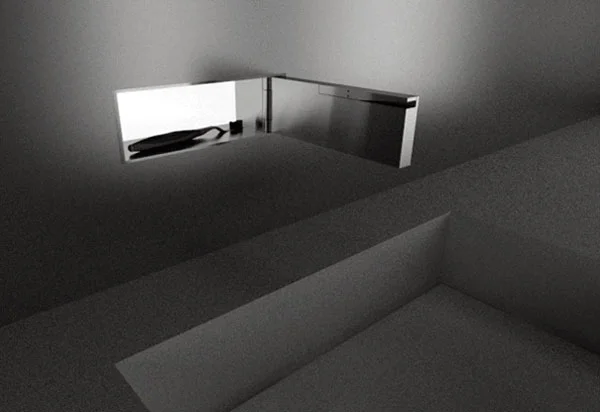
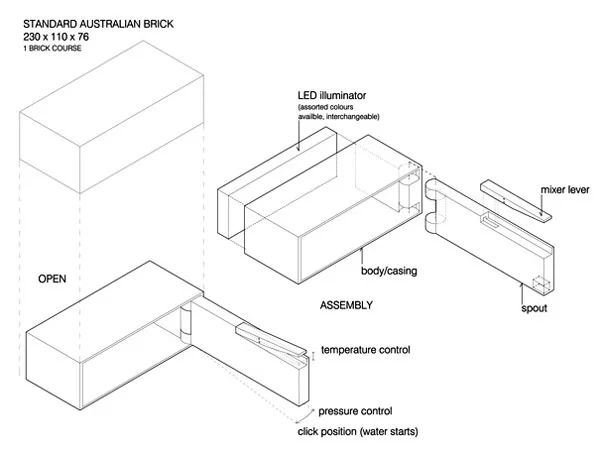
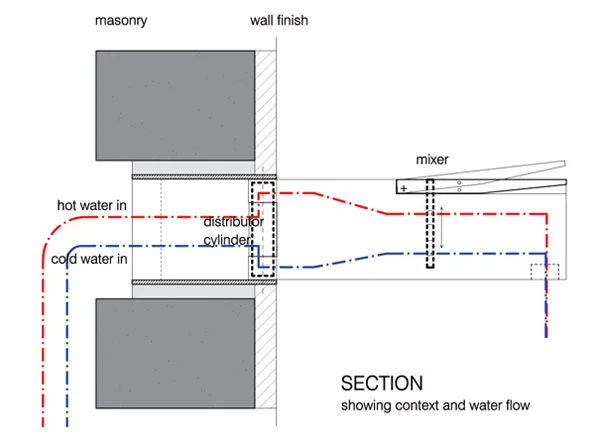
This incredible looking wall faucet comes from designer Andrew Tang-Smith and the idea is said to have been spotted in the popular Star-Trek movie series. Even though it has a futuristic feel, this faucet is as real as it gets. “Reveal/Conceal” is a wall embedded device with a multiple functionality. The sci-fi inspired project has a tiny led that acts a fun illuminating light. At a first glance it looks like an interesting wall add-on with no practical usage whatsoever. When opened, the faucet exposes a small apparently hidden storage zone which the user can use for placing small objects. We know the pictures are not entirely clarifying, which is why we added a few sketches. - via 3rings
/

/

Grey’s Cigarette Company advertisement
from davidszondy.com
via vintagefuture
/
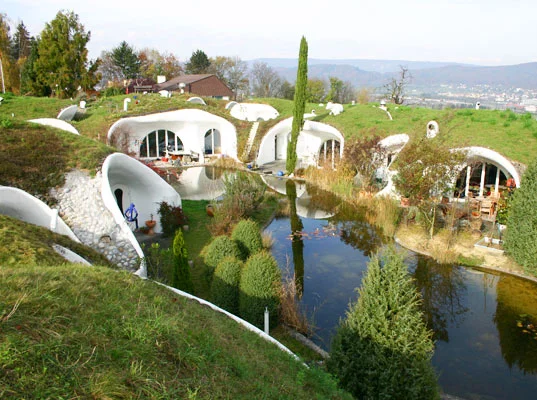
Vetsch Architektur
/
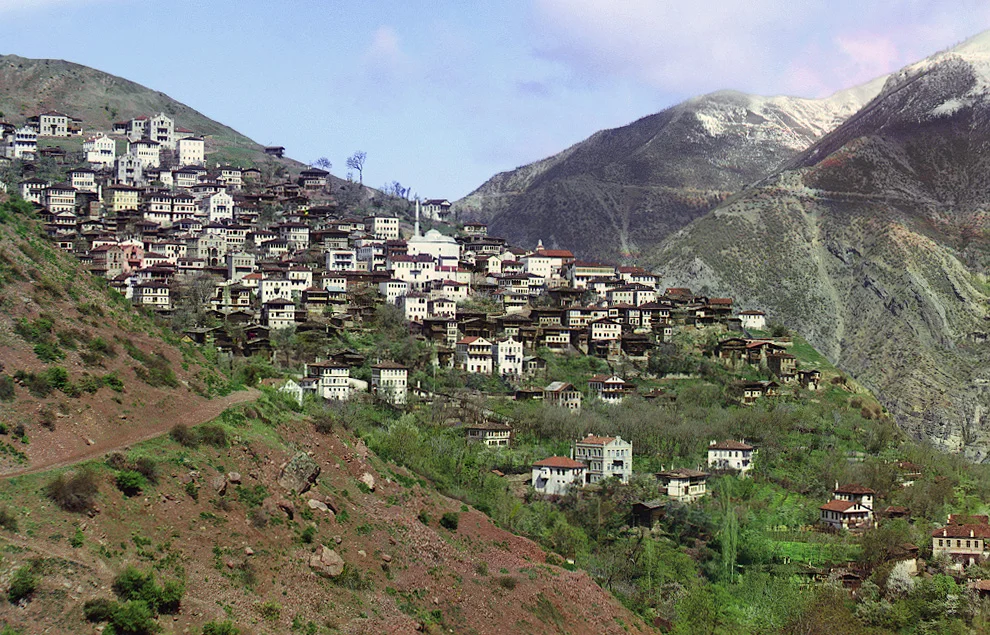
General view of Artvin (now in Turkey) from the small town of Svet, ca. 1910. Google Map, (Prokudin-Gorskii Collection/LOC) #
http://www.boston.com/bigpicture/2010/08/russia_in_color_a_century_ago.html
/
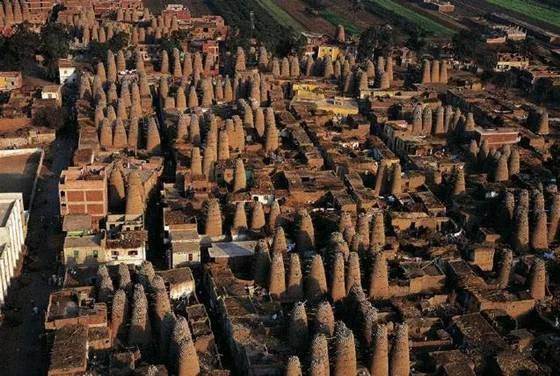
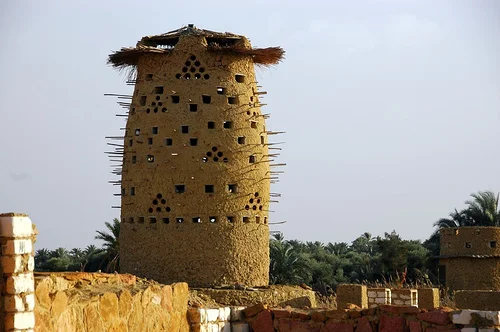
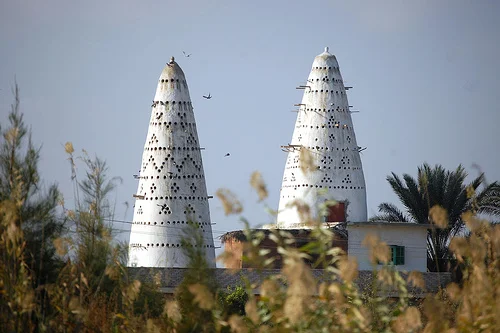
photo credit
“Pigeon is a part of the daily diet in many parts of Egypt and Pigeon houses, or dovecotes, are constructed from mud brick create an artificial mountainous topography. The droppings are also a valuable source of fertilizer and the houses are so ubiquitous that they are also part of the Egyptian national identity. Thedovecote typology can be found throughout the world and Earth Architecture has previously featured the palomares of Spain. ” - http://www.eartharchitecture.org/index.php?/categories/10-Africa
/

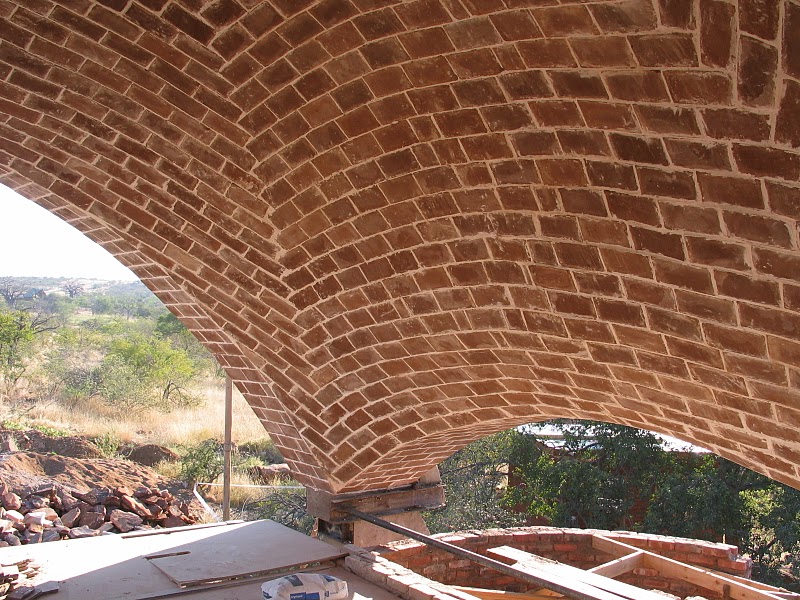
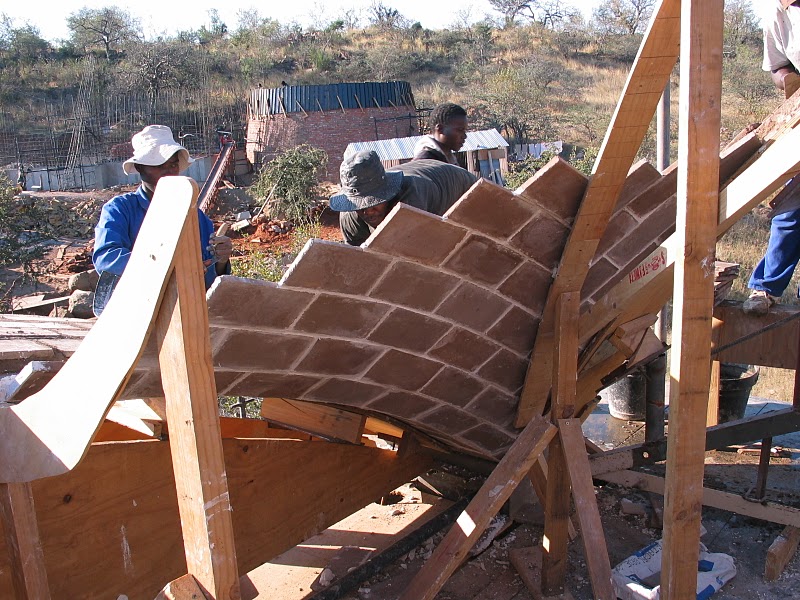
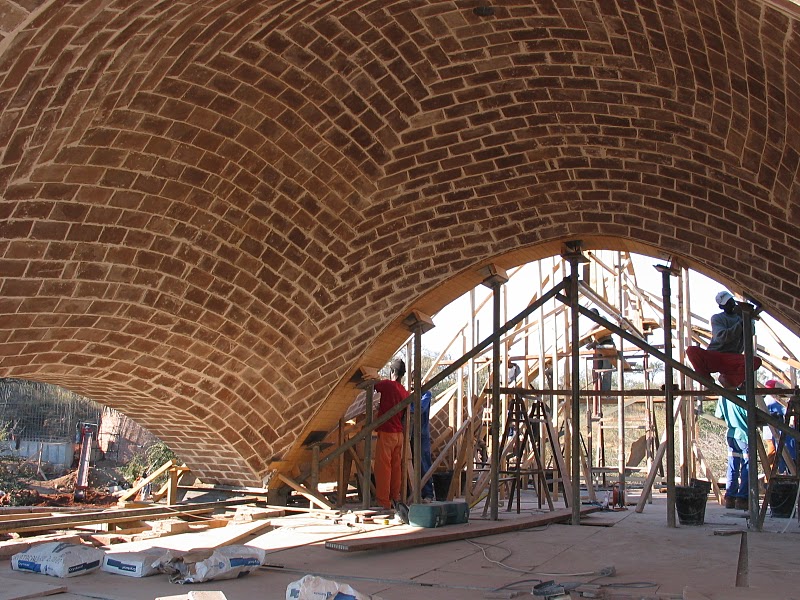

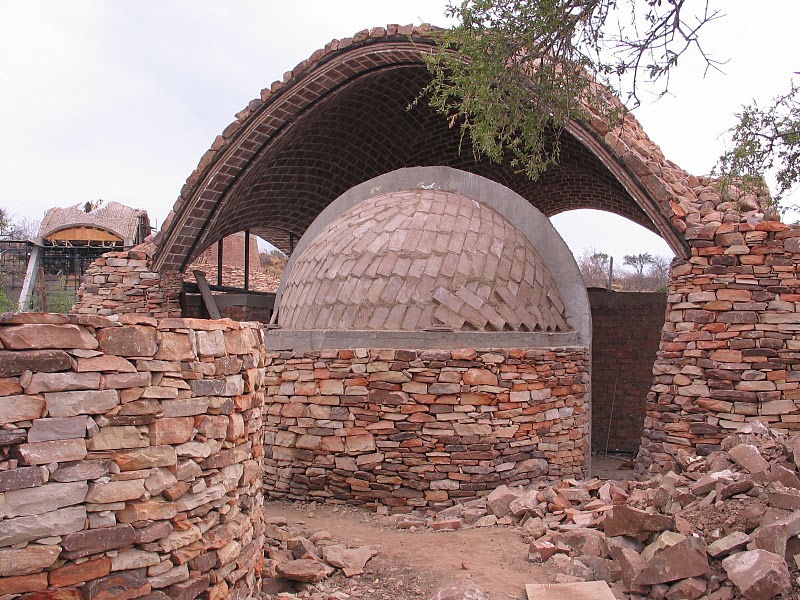

“A team carried out a detailed design of structural vaults built from local soil for a new museum at the World Heritage Site of Mapungubwe in South Africa designed by Peter Rich Architects. Michael Ramage (Cambridge), John Ochsendorf, and Philippe Block designed the unreinforced structural masonry vaults in collaboration with Henry Fagan in South Africa. Matthew Hodge developed the cement-stabilized tiles in collaboration with Anne Fitchett (Univ. of Witwatersrand). Based on his experience building the domes of the Pines Calyx in the UK, James Bellamy supervised the vault construction on site. The project was part of masonry research conducted by MIT.” -Earth Architecture
http://web.mit.edu/masonry/projects/projects_mapungubwe.html