/
/
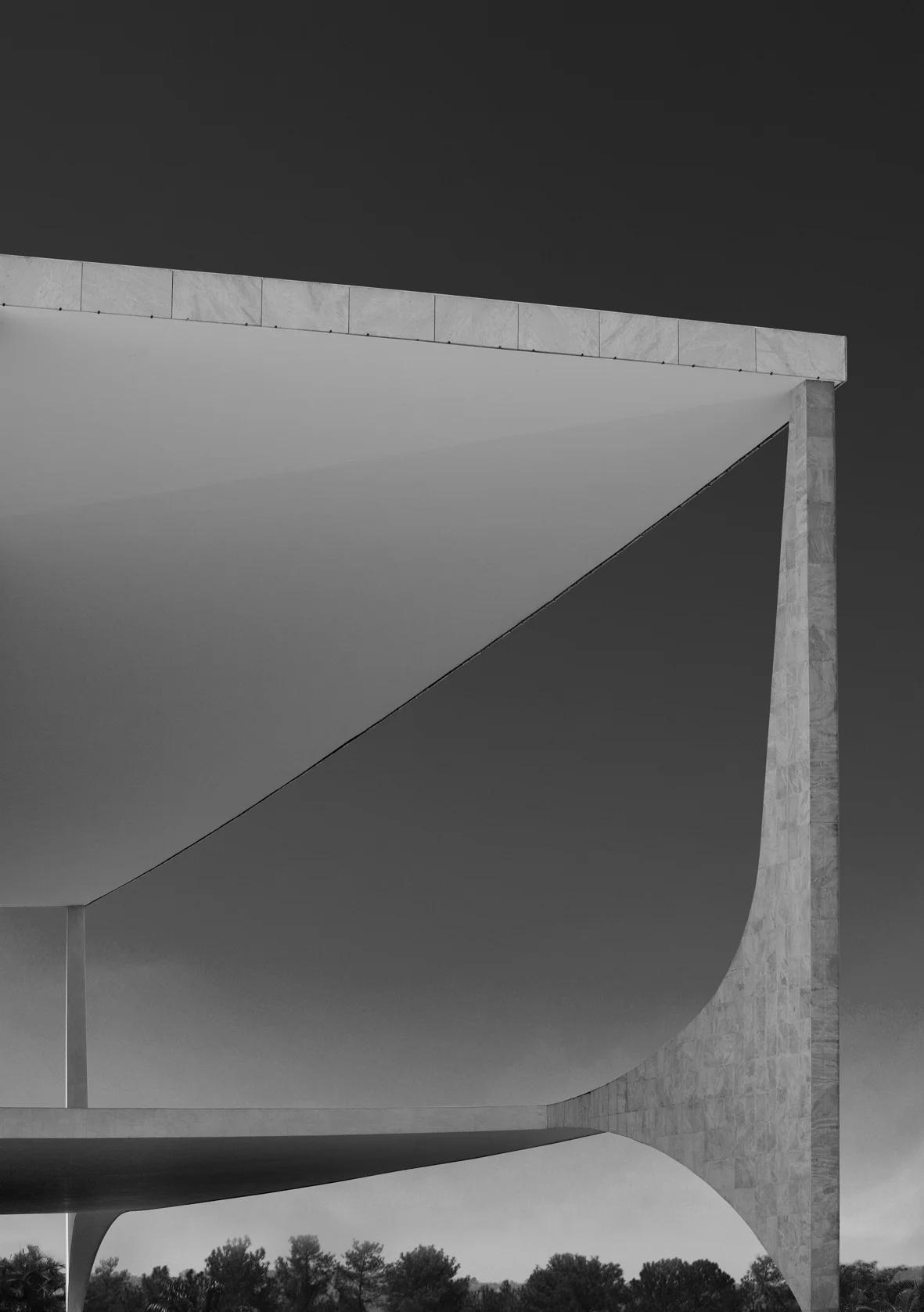
Brazilia 1
/
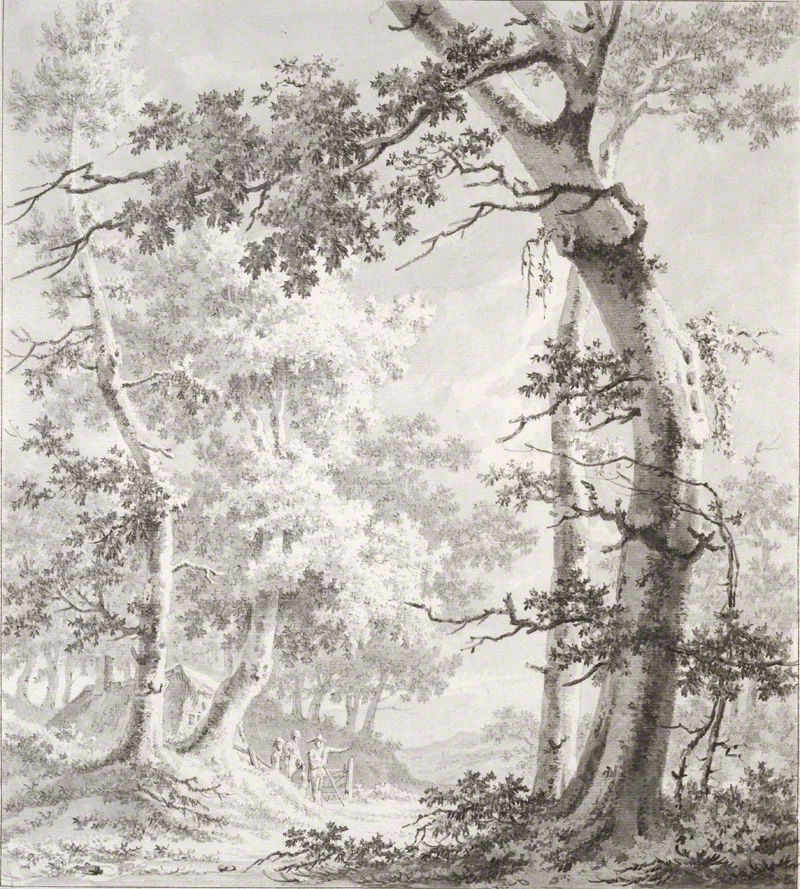
Wooded Landscape, about 1780–90, Paulus Liender
Ironically, this artist best known for painting trees made his living as a lumber dealer (and later, a wine-tax collector).
/
/
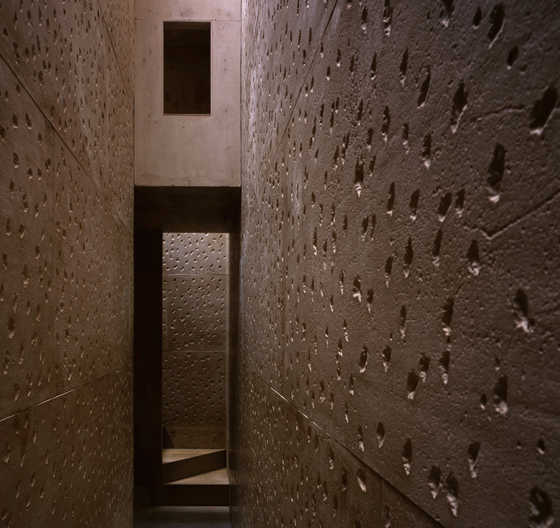
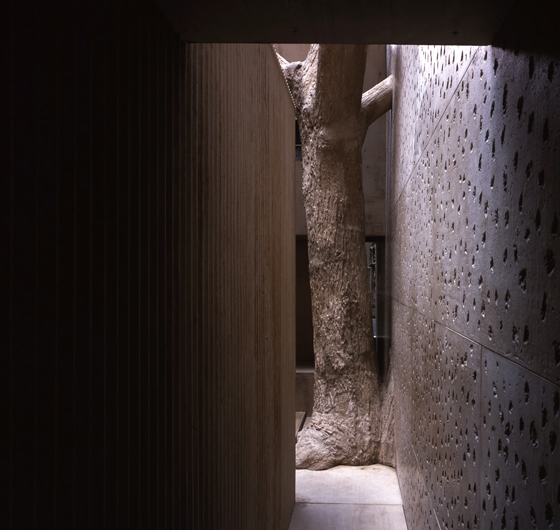
Attitudes towards the use of dead spaces within towns and cities vary drastically around the world. While many first-world countries enforce planning regulations to maintain control over every piece of land and restrict unauthorised building, in less developed regions there are many urban centres in which every centimetre of space is precious and put to good use.
In Mumbai, India, architecture practice Studio Mumbai observed that locals were creating dwellings in the narrow gaps between buildings and decided to recreate a section of a tiny area sandwiched between their own studio and the adjacent warehouse as their contribution to the Victoria and Albert Museum’s 2010 exhibition, 1:1 Architects Build Small Spaces. They produced a “cast” of the negative space, with its typically confined passageways divided into small rooms, and even featuring the tree that reaches through the walls on the site.
/
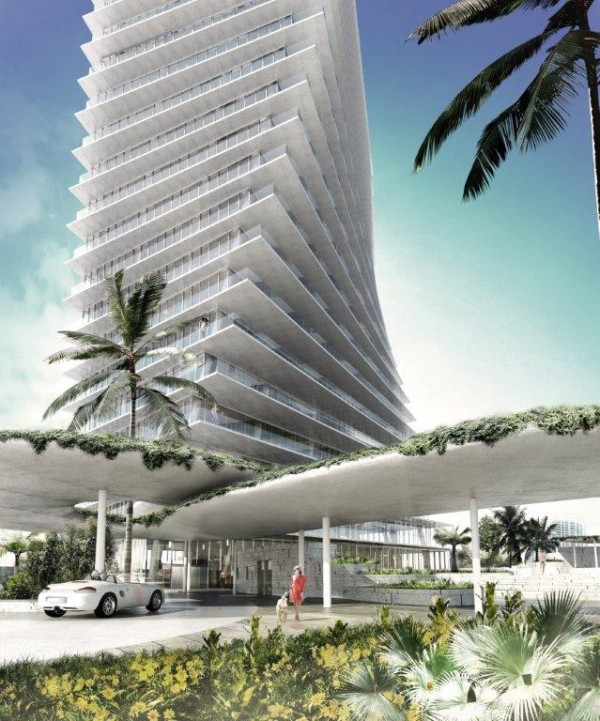
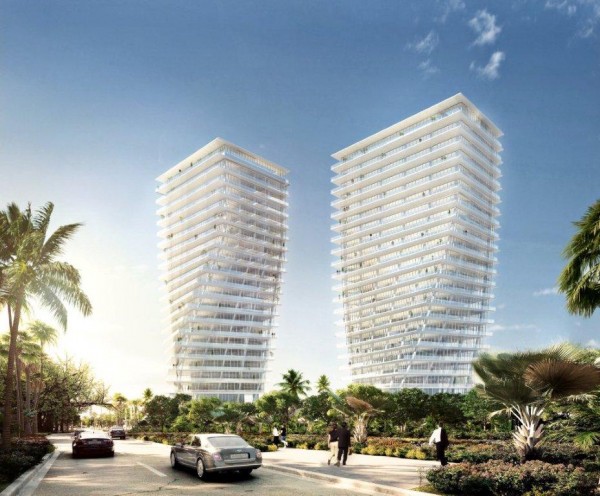

New Miami Skyline- BIG Architects (images via plus mood)
New buildings for Coconut Grove, FL!
/
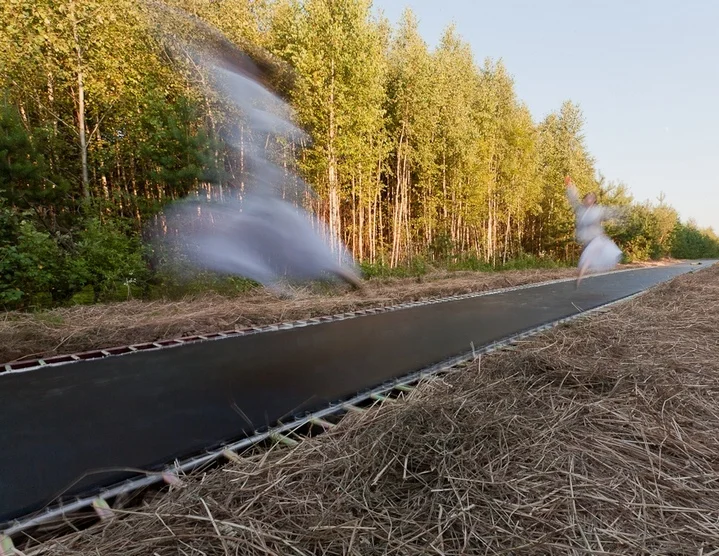
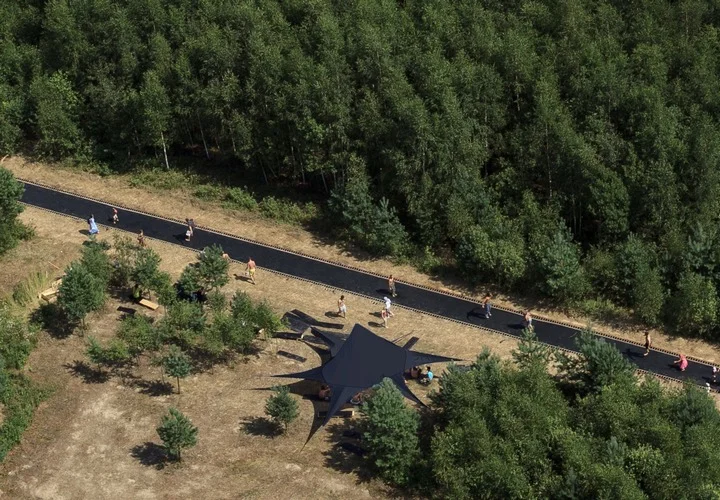
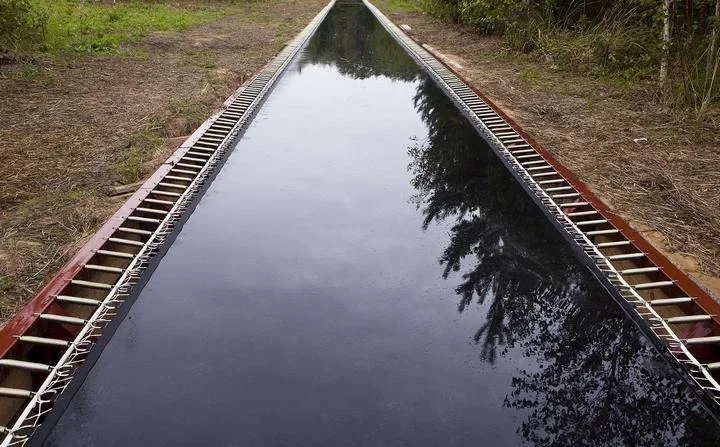
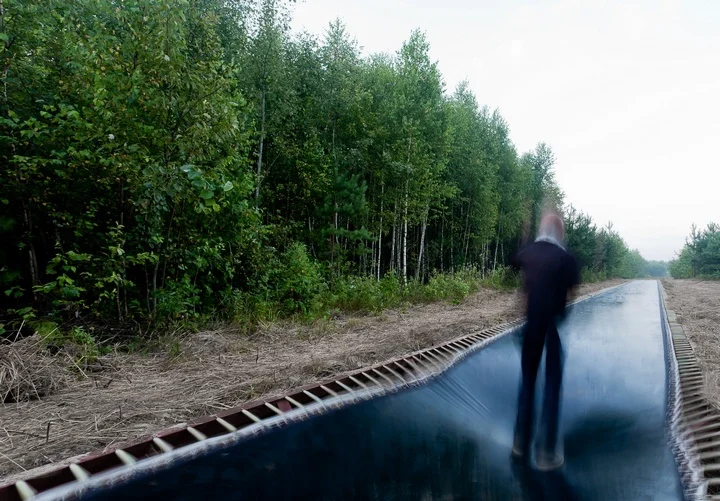
Fast track” is a integral part of park infrastructure, it is a road and an installation at the same time. It challenges the concept of infrastructure that only focuses on technical and functional aspects and tends. By Salto
/
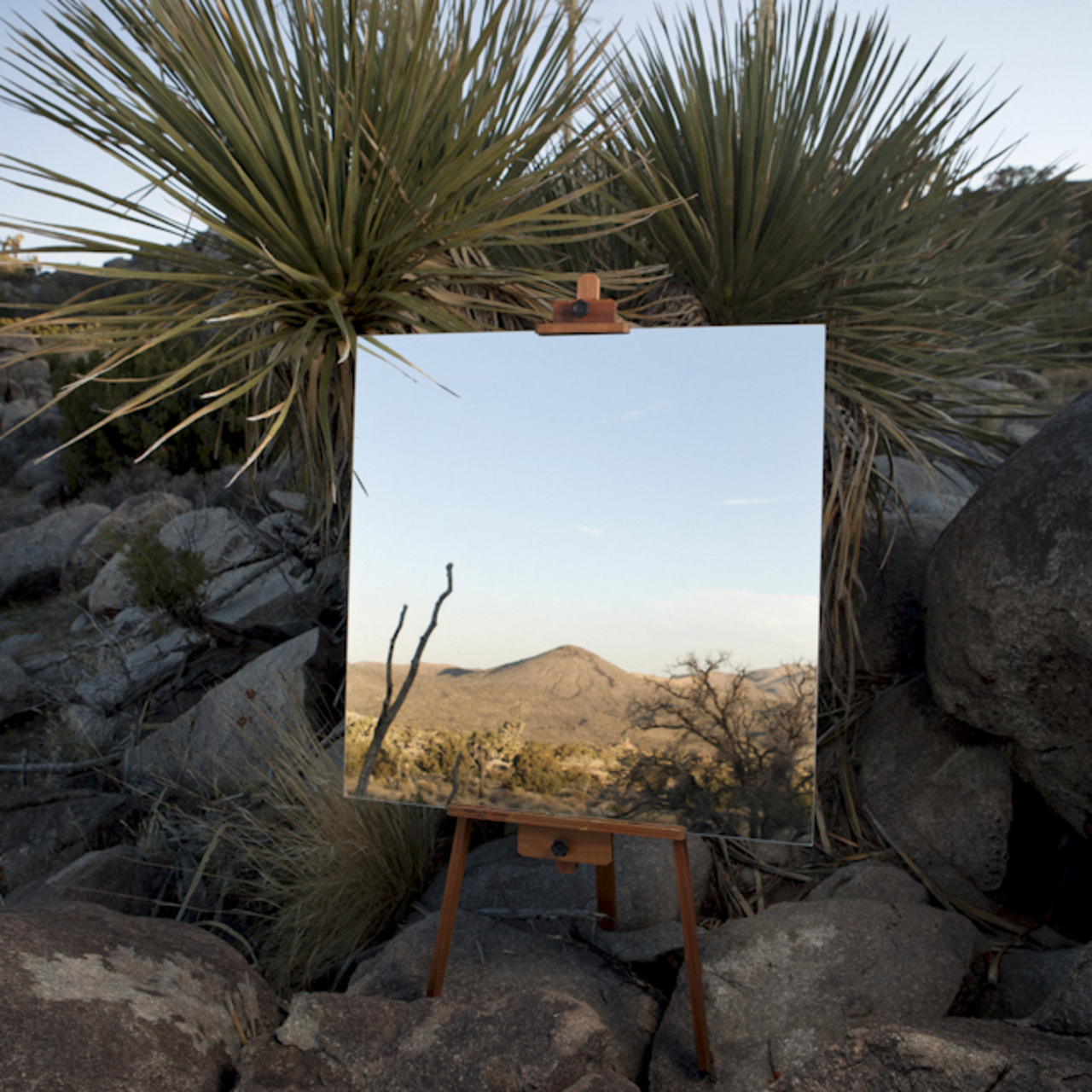

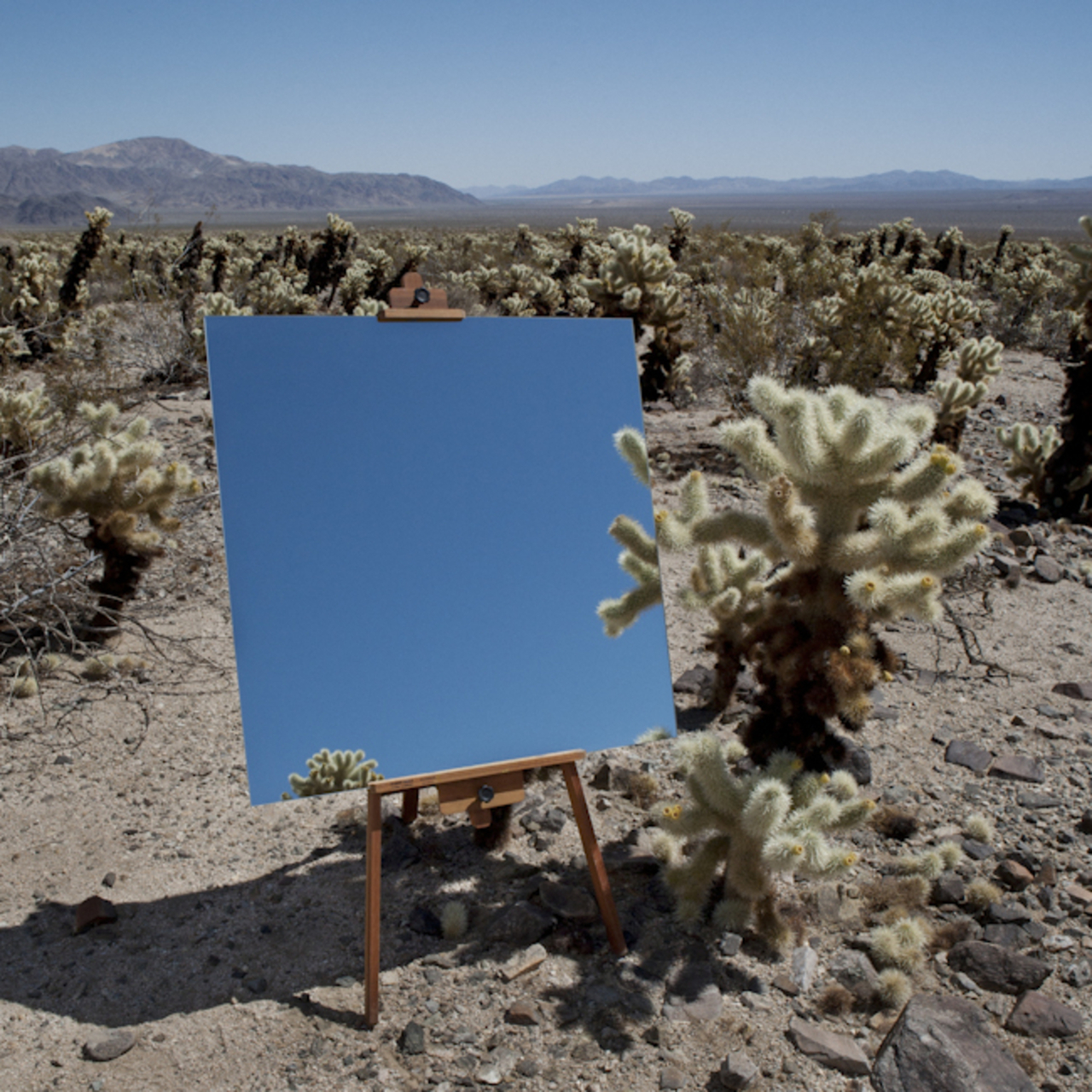
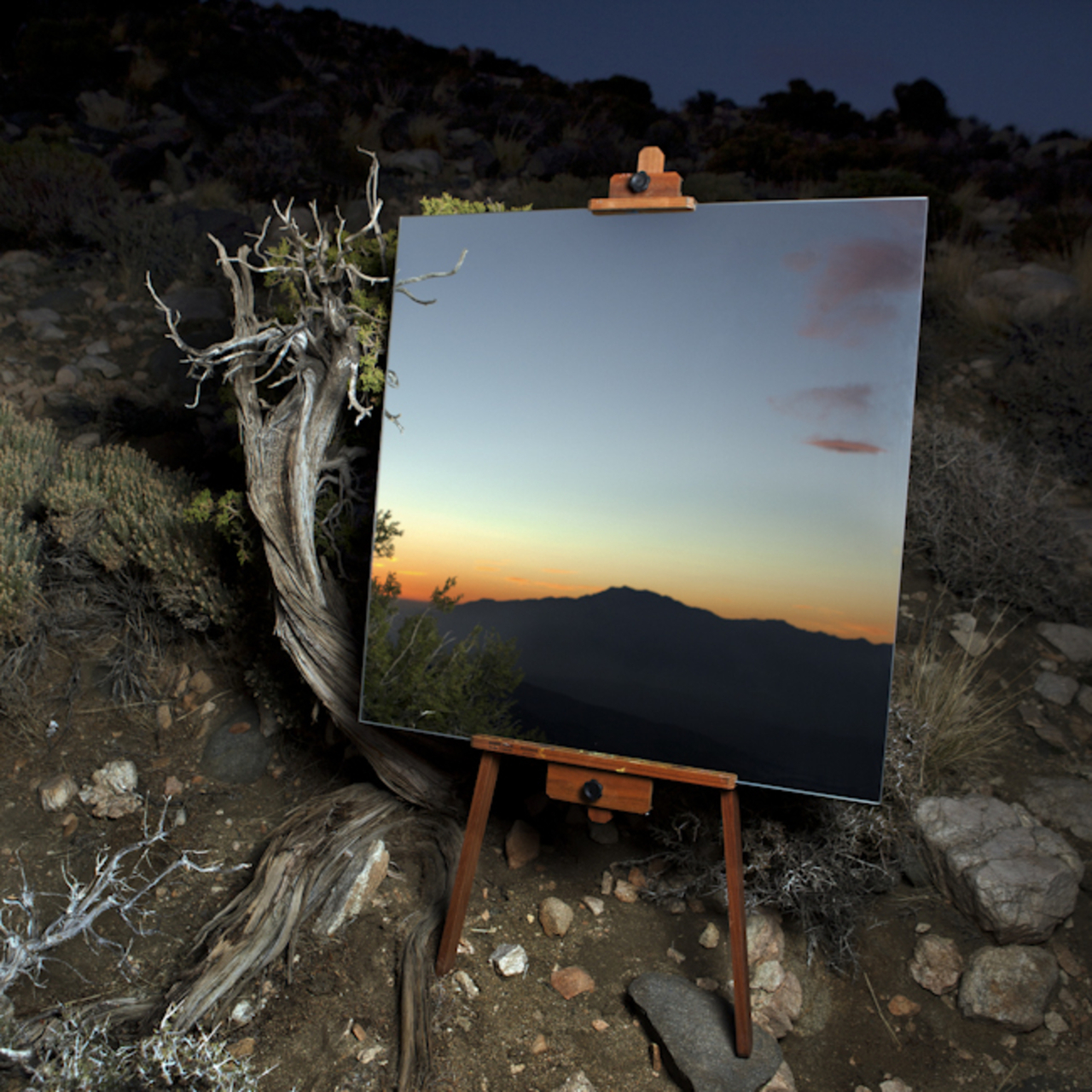


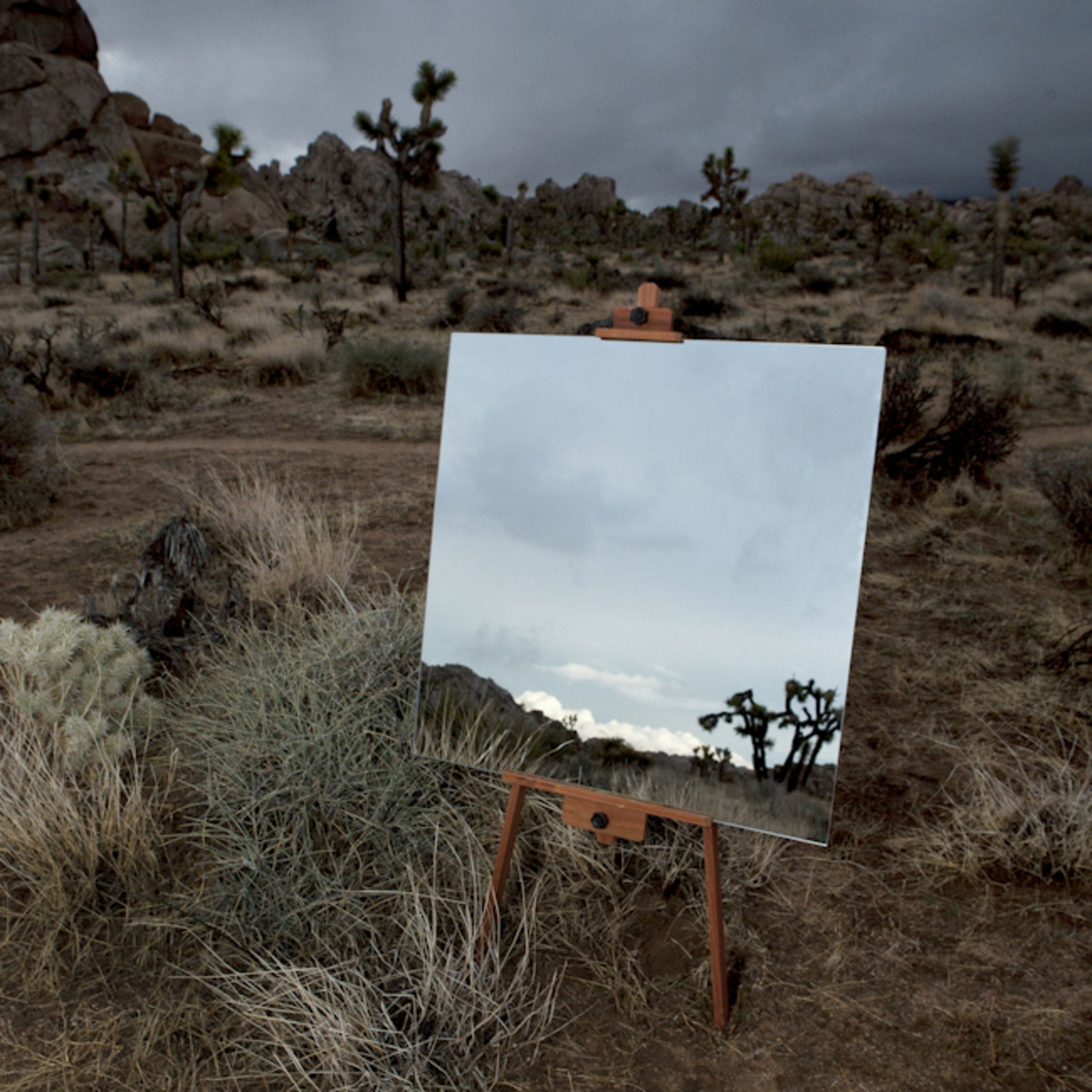

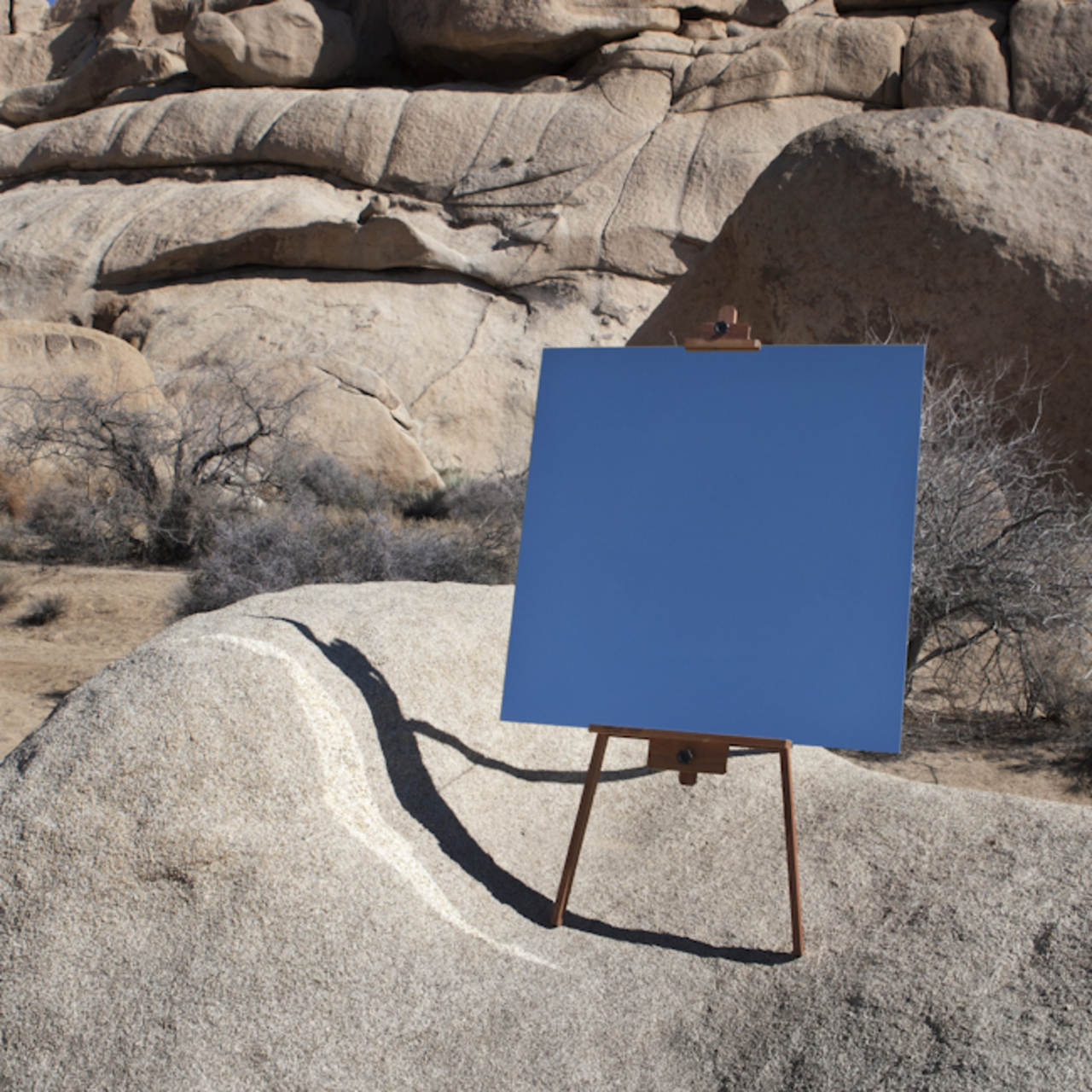

Daniel Kukla
The Edge Effect, 2012Artist’s statement: “In March of 2012, I was awarded an artist’s residency by the United States National Park Service in southern California’s Joshua Tree National Park. While staying in the Park, I spent much of my time visiting the borderlands of the park and the areas where the low Sonoran desert meets the high Mojave desert. While hiking and driving, I caught glimpses of the border space created by the meeting of distinct ecosystems in juxtaposition, referred to as the Edge Effect in the ecological sciences. To document this unique confluence of terrains, I hiked out a large mirror and painter’s easel into the wilderness and captured opposing elements within the environment. Using a single visual plane, this series of images unifies the play of temporal phenomena, contrasts of color and texture, and natural interactions of the environment itself.”
/
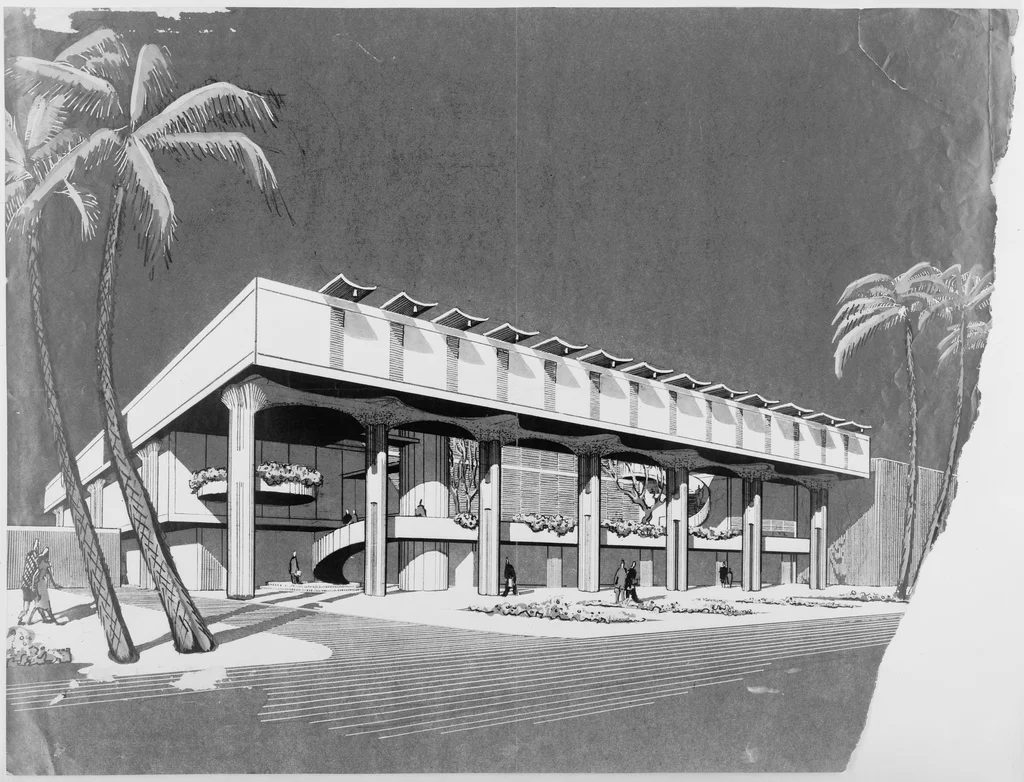
Paul Rudolph’s projected Bramlett Company Building in 1956, Miami
Black & White Illustration | 2541
/
/
/
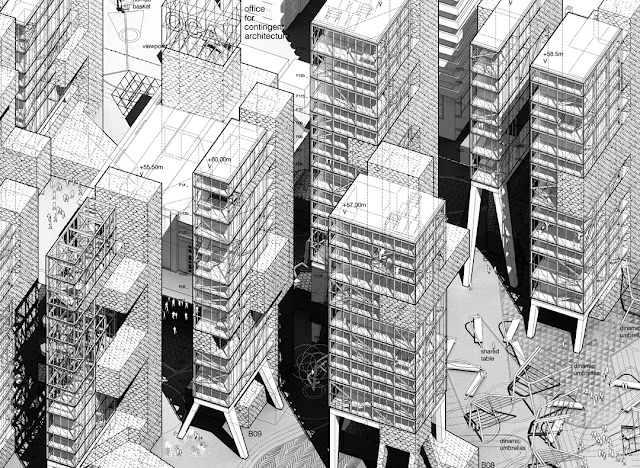
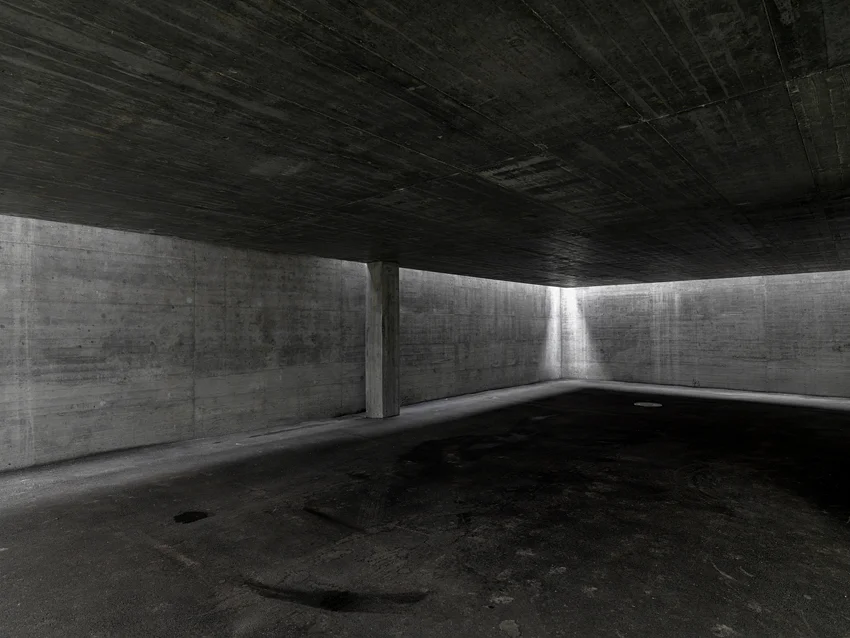
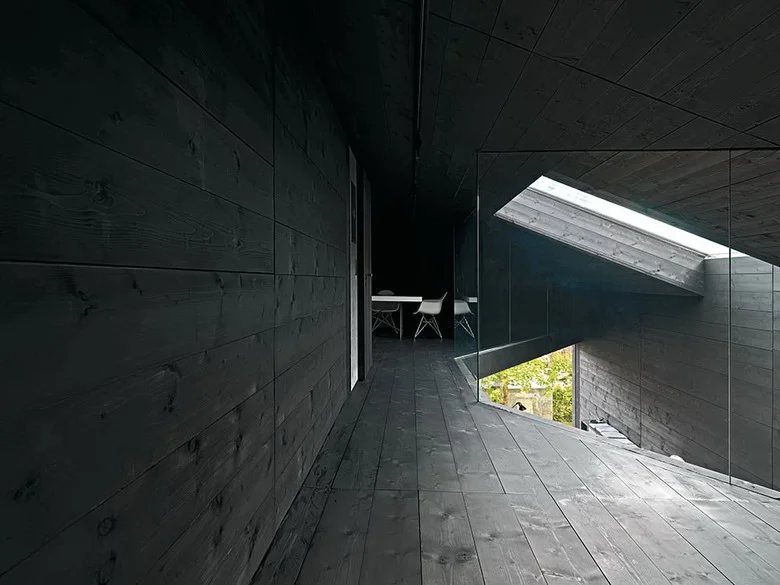
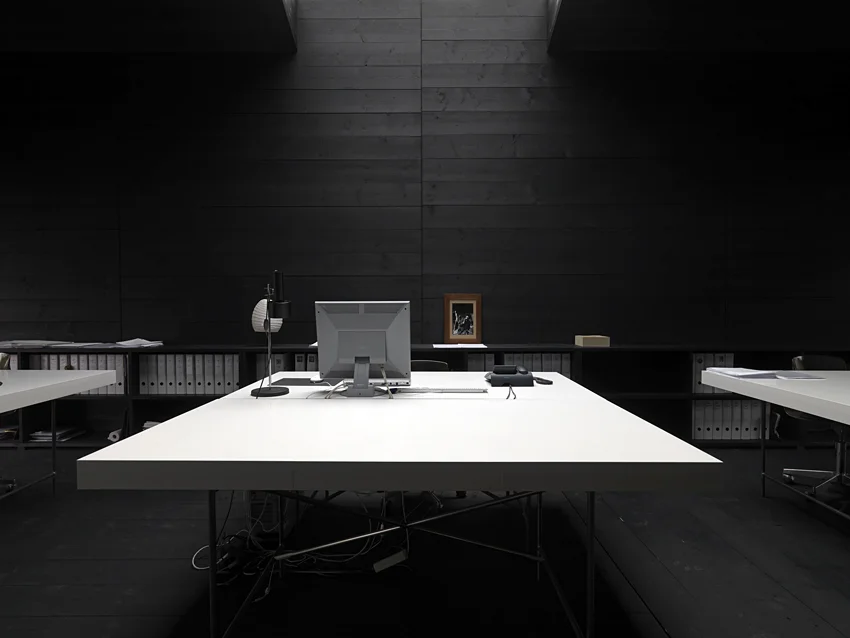
Project developed by Gonzalo del Val, Gonzalo Gutierrez, Toni Gelabert, Valentín Sanz, Sergio del Castillo and Alejandro Londoño
BADEL BLOCK, Zagreb (CRO) | Gonzalo del Val
Black & White Illustration | 2542
/
/
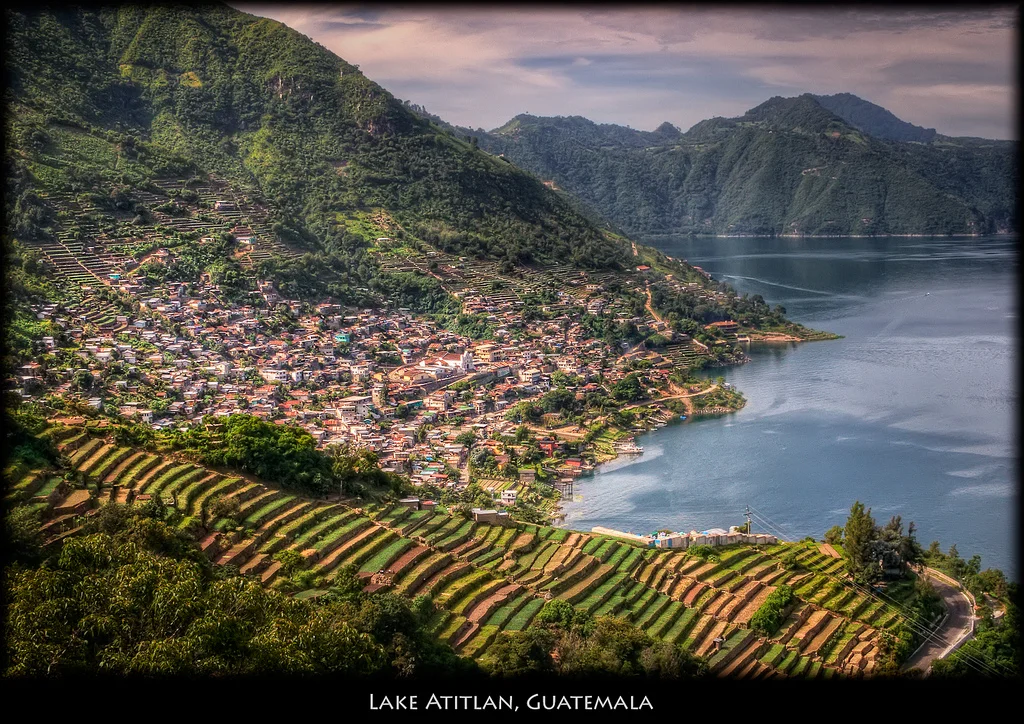
Lake Atitlan, Guatemala
(by szeke)
/
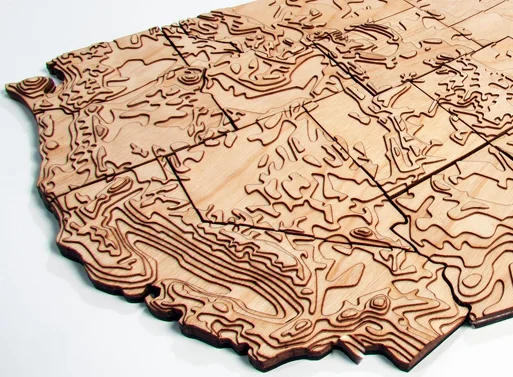
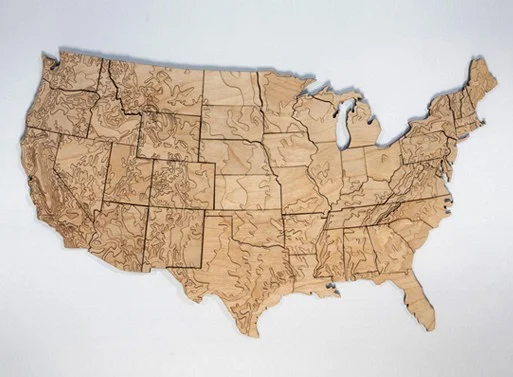
Created from actual elevation data, this wooden topographical map of the United States is laser-cut and hand-assembled in Portland, Oregon.
/
/

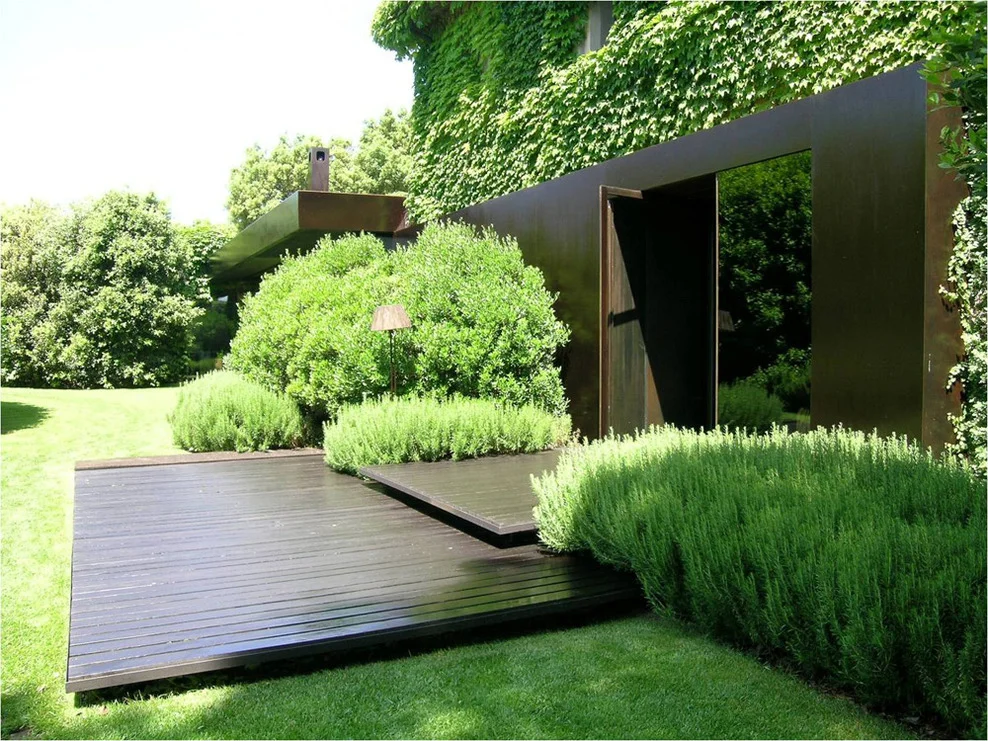
madrid
/
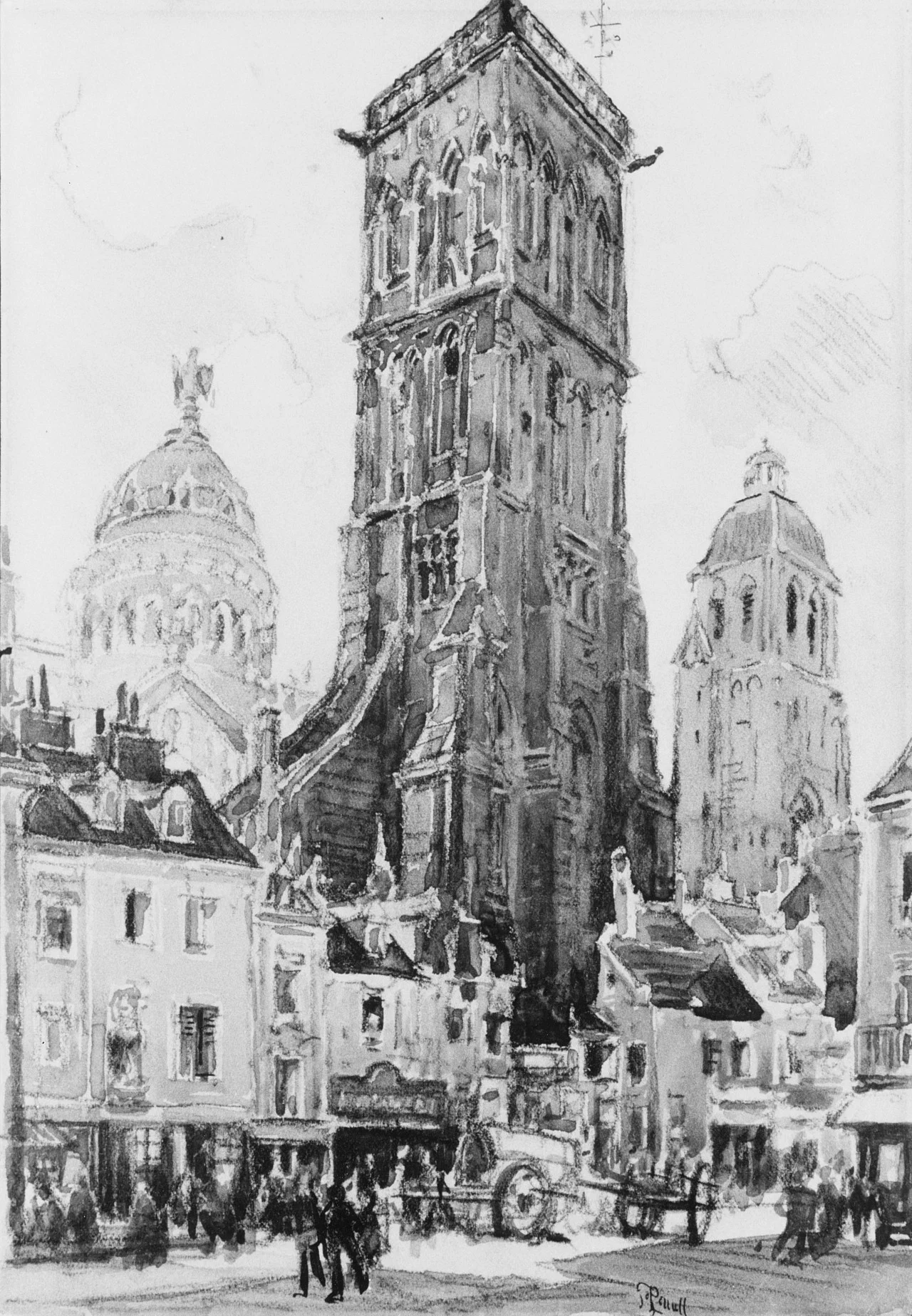
Joseph Pennell, The Towers of St. Martin, Tours, ca. 1899. Watercolour, black crayon, and white gouache on off-white laid paper, 25.7 x 17.5 cm (10 1/8 x 6 7/8 in). The Metropolitan Museum of Art.
Black & White Illustration | 2409