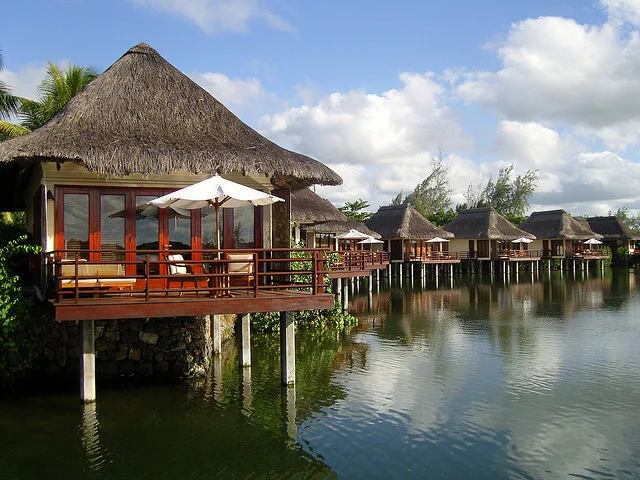
Le Prince Maurice Resort, Mauritius Islands (by Max Lordag).
/
/

can’t not reblog
/
/

Tourists at Tee-Lor-Su Waterfall in north-western Thailand (by TAStudio).
/
/
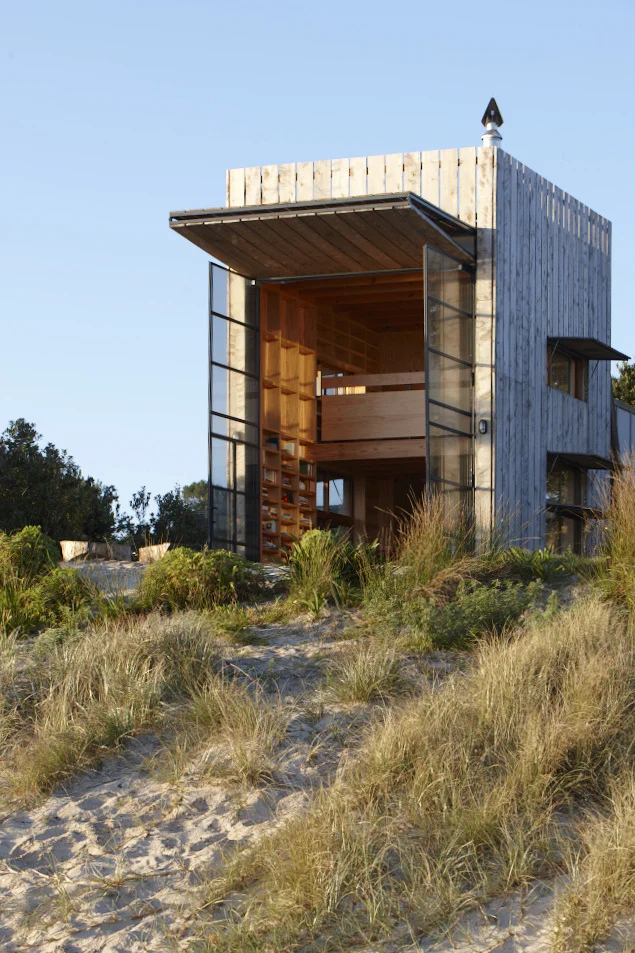
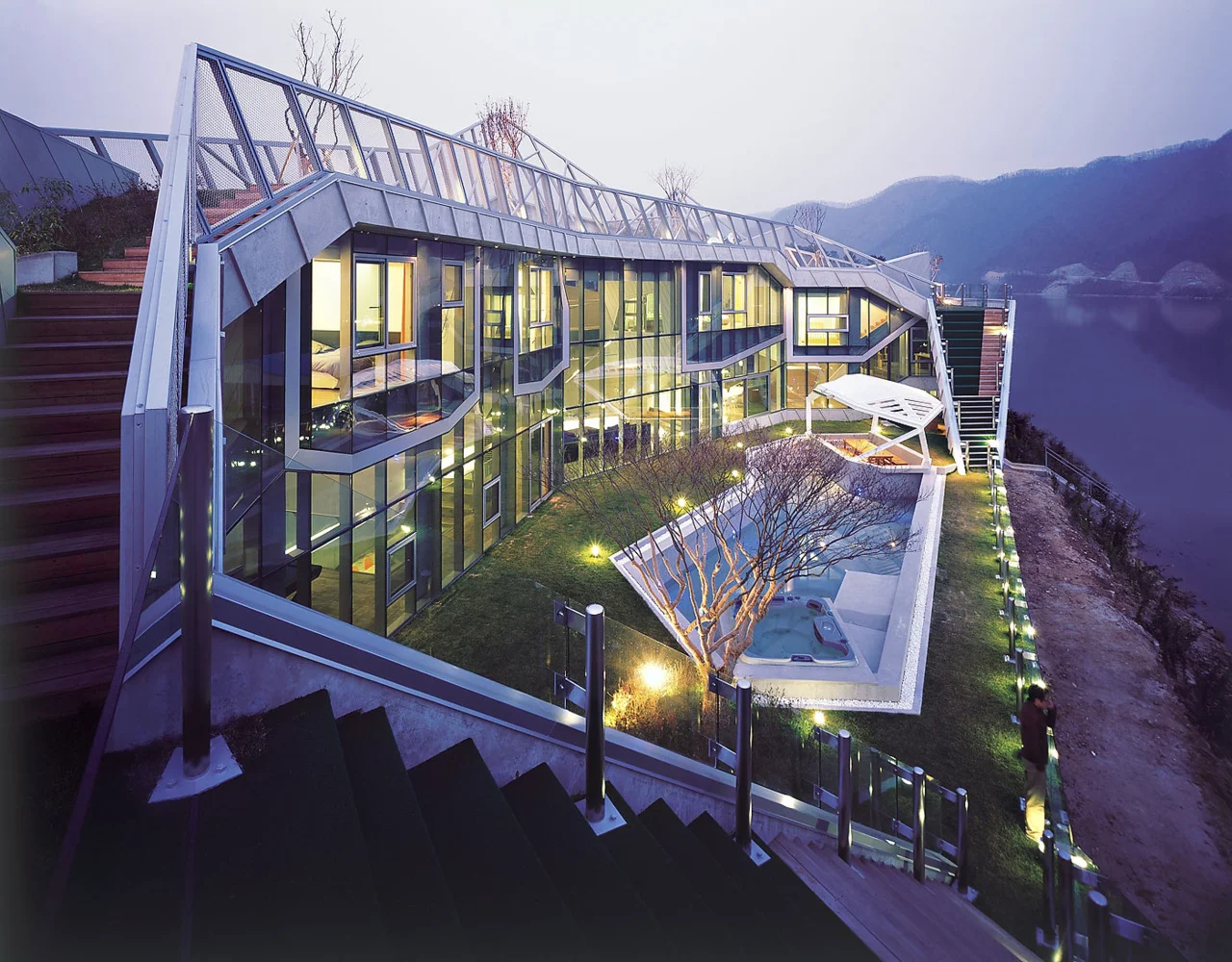
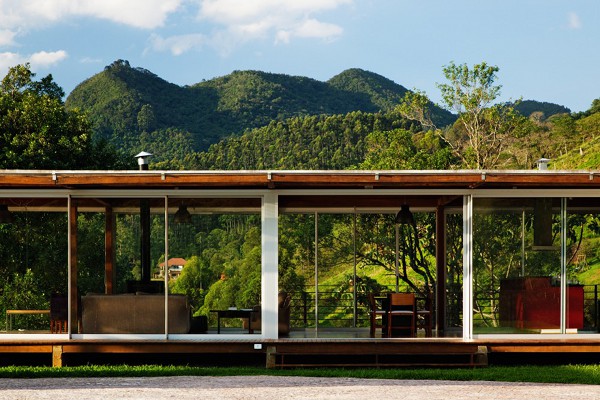
Whangapoua Beach House on Coromandel Peninsula, New Zealand. Designed by Ken Crosson of Crosson Clarke Carnachan Architects.
Submitted by Nick Wallen.
/
/

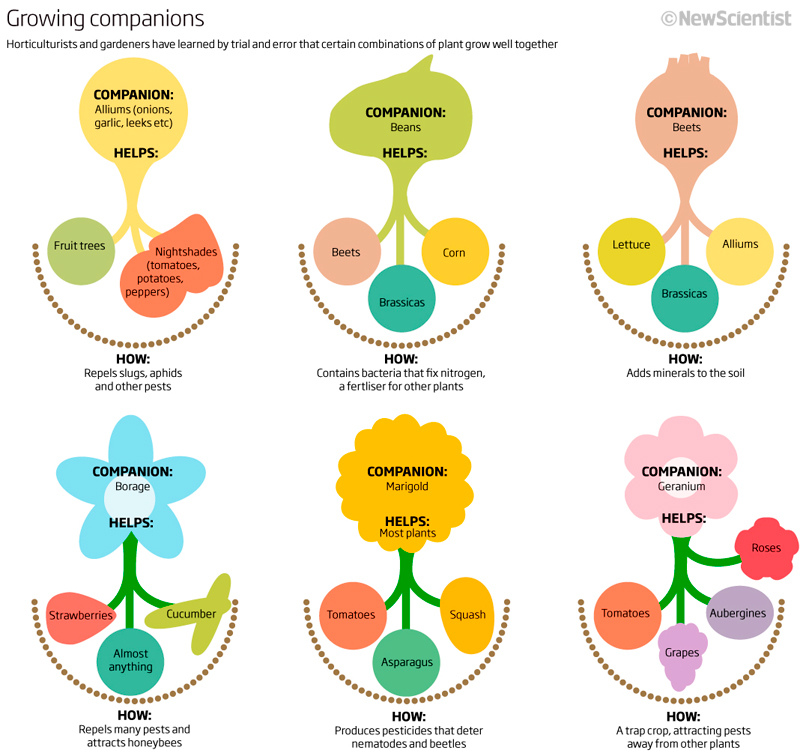
Grow your own: 'Same space, more vegetables: companion planting to increase productivity' /
From The Vancouver Sun:
Companion planting has been around for centuries, a method that many organic gardeners use to try to protect certain vulnerable crops from insect predation, for instance, using marigolds to deter beetles and carrot fly.
Or — less believably — to improve the flavours of certain vegetables, such as planting basil among tomatoes.
But you can use an amped-up form of companion planting — succession interplanting — to double the output of each of your garden beds by pairing up plants that will grow together in close quarters without interfering with each other and then following with a full second crop for fall and winter. It is possible to get as many as four crops per bed in a single growing season.
You won’t end up with nice rows of identical plants like you see in magazines, those mini-mono-crops. But the esthetic loss is diversity’s gain and it’s not so hard on your soil.
If you have a lot of space, try some or all of these mixed bed plans. If space is tight, try one to start and see how it works for you.
There are no tomatoes in this plan. Grow them in a separate bed with plenty of space around them. Some plants can’t be crowded and few are more likely to disappoint when things don’t go their way than tomatoes.
Check out the rest of the article here and Wikipedia for a list of companion plants.
(Infographic credit: New Scientist via SeaCoast Eat Local)
/
/


/
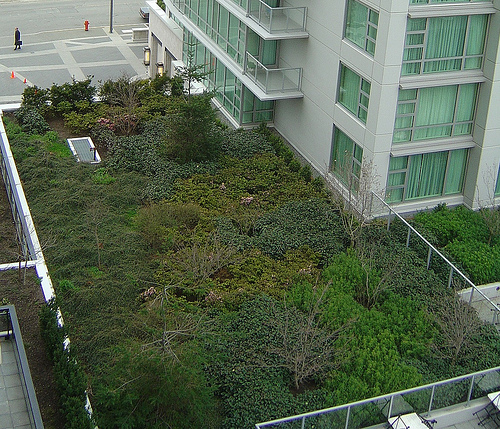
Toronto becomes first city to mandate green roofs
Toronto is the first city in North America with a bylaw that requires roofs to be green. And we’re not talking about paint. A green roof, also known as a living roof, uses various hardy plants to create a barrier between the sun’s rays and the tiles or shingles of the roof. The plants love the sun, and the building (and its inhabitants) enjoy more comfortable indoor temperatures as a result.
Toronto’s new legislation will require all residential, commercial and institutional buildings over 2,000 square meters to have between 20 and 60 percent living roofs. Although it’s been in place since early 2010, the bylaw will apply to new industrial development as of April 30, 2012. While this is the first city-wide mandate involving green roofs, Toronto’s decision follow’s in the footsteps of other cities, like Chicago and New York.
Under the direction of Mayor Richard Daley the city of Chicago put a 38,800 square foot green roof on a 12 story skyscraper in 2000. Twelve years later, that building now saves $5000 annually on utility bills, and Chicago boasts 7 million square feet of green roof space. New York has followed suit, and since planting a green roof on the Con Edison Learning Centre in Queens, the buildings managers have seen a 34 percent reduction of heat loss in winter, and reduced summer heat gain by 84 percent.
But lower utility bills aren’t the only benefit of planting a living roof. In addition to cooling down the city, green roofs create cleaner air, cleaner water, and provide a peaceful oasis for people, birds and insects in an otherwise polluted, concrete and asphalt-covered environment.
Pretty awesome
Sweet! I was reading in this book the other day that if toronto did this (at the time it was an if), they would reduce summer temperatures in the city by 0.5 - 2%. Happy this is finally happening.
/
Cozy Rustic Attic Bedrooms /


/
/


Ta Prohm Temple, Cambodia
/
/
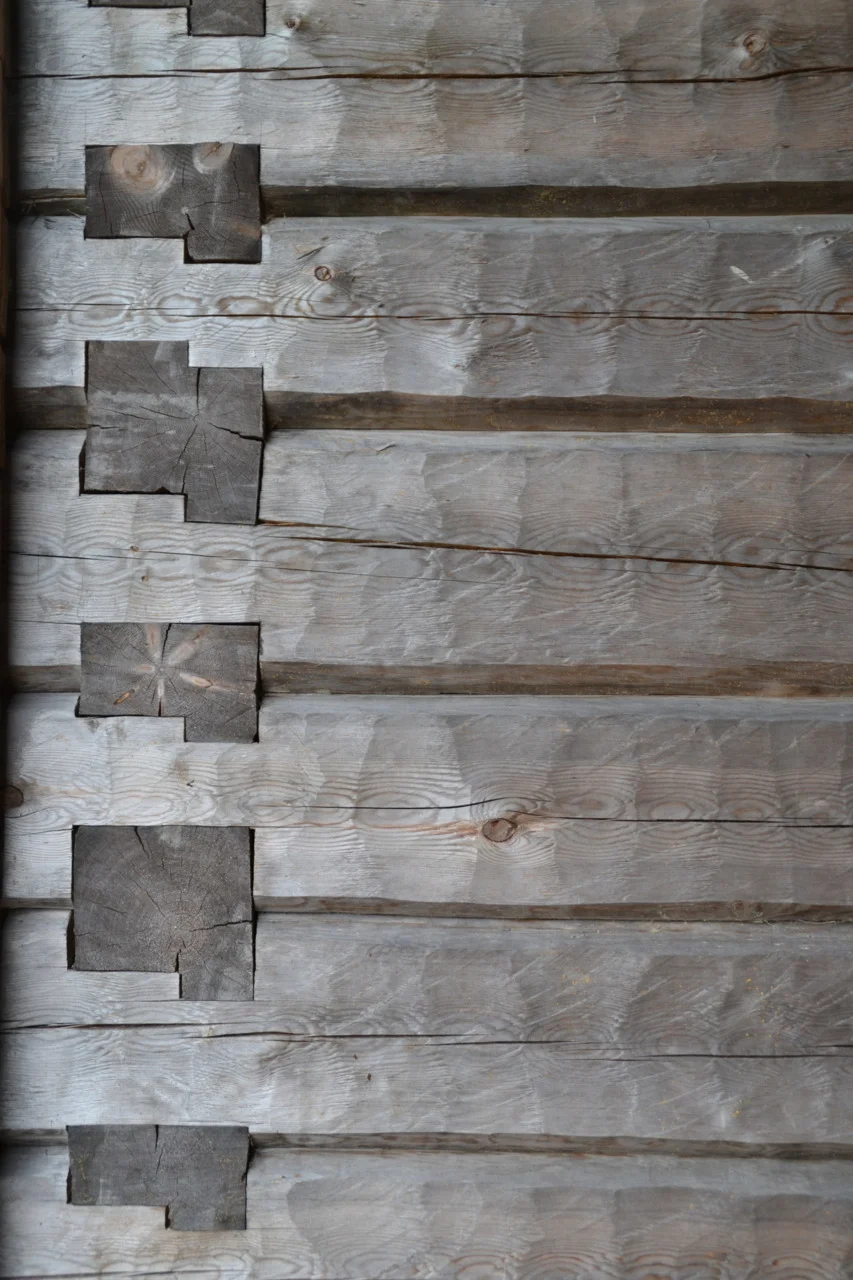
Wooden Joints
Karsamaki Church, Karsamaki, Finland
