/
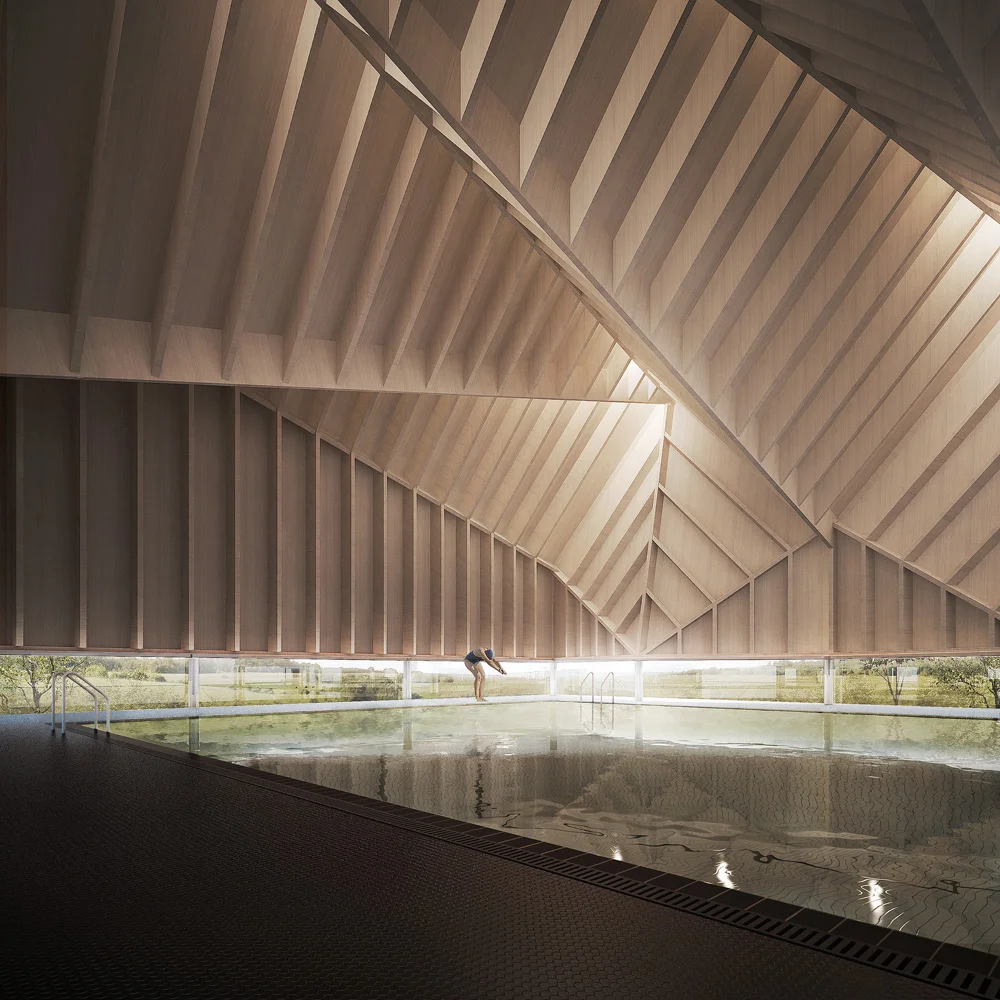
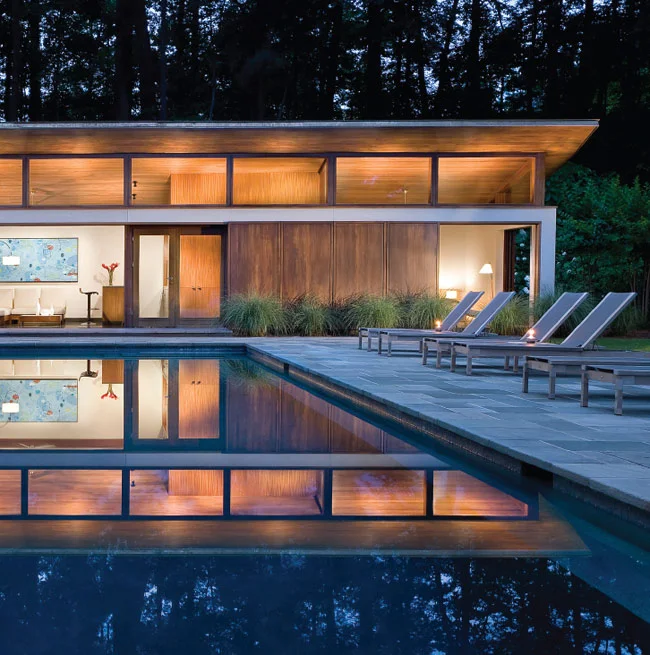
alfriston school | pool ~ duggan morris architects
/
/
/
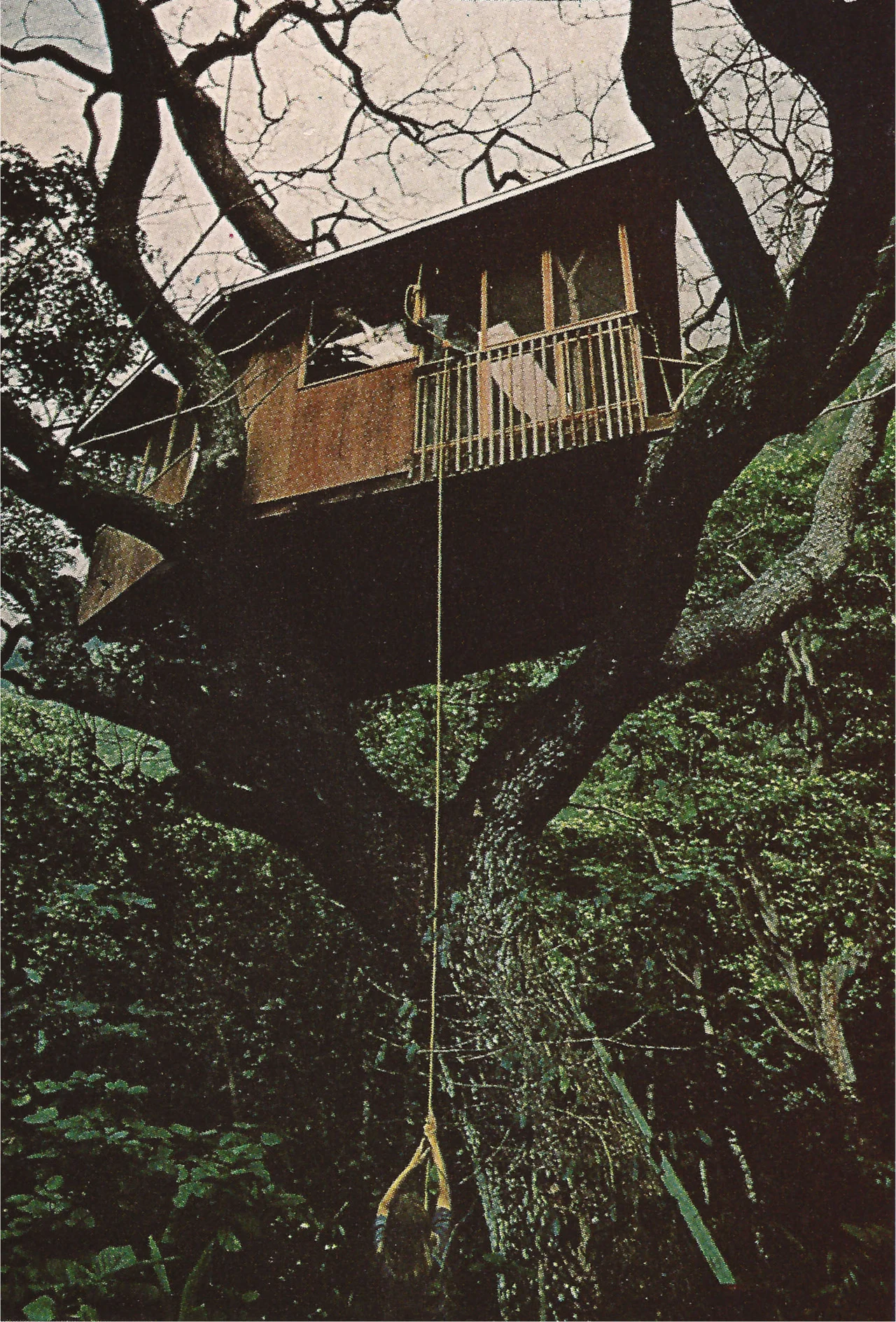
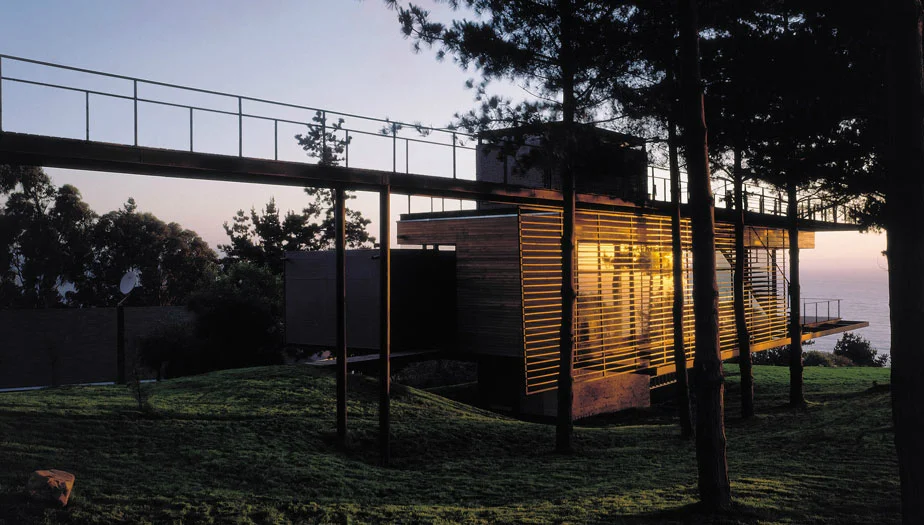
“Living off the land means building in the treetops for one Waipio Valley resident.” (National Geographic, 1975)
/
/
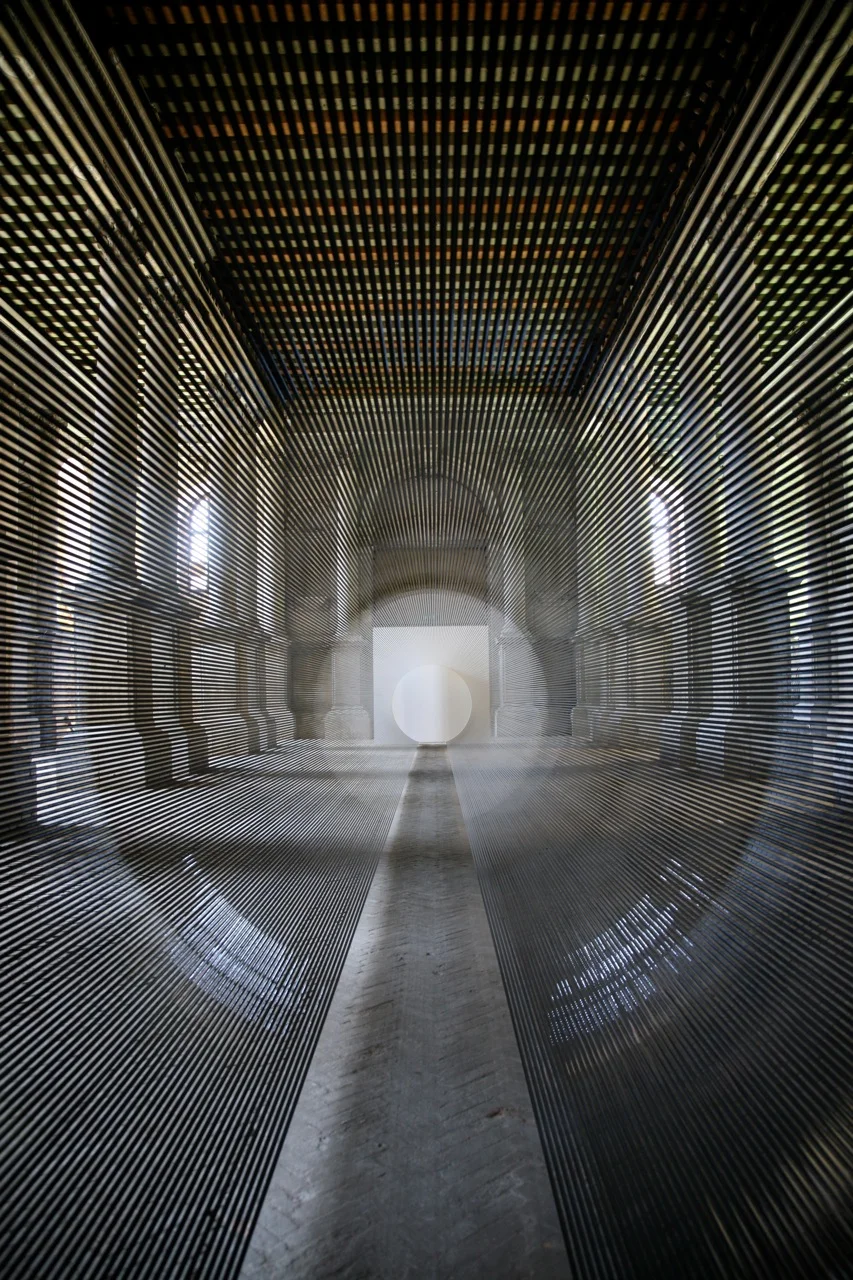
An 80-foot long walkway formed by stretched strips of old VHS magnetic tape.
/
(via: desire to inspire)
/
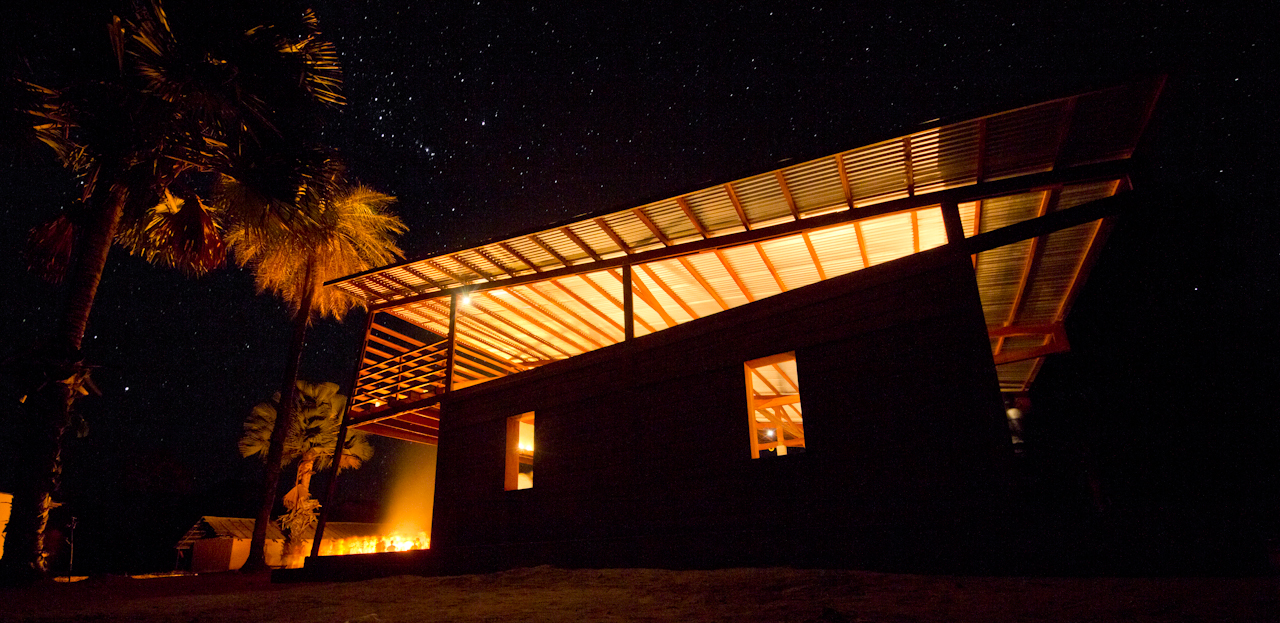
by three norwegian architecture students
Three architecture students from the Norwegian School of Science and Technology partnered with Friends of Niafourang to design and build a combination library and computer room for the local youth. The design also creates an outdoor space with a stage for dancing and performances. projectNIAFOURANG was made possible by financial backing from the talented and generous firm, Lund + Slaatto Architects.
Check out projectNIAFOURANG’s blog here.


/
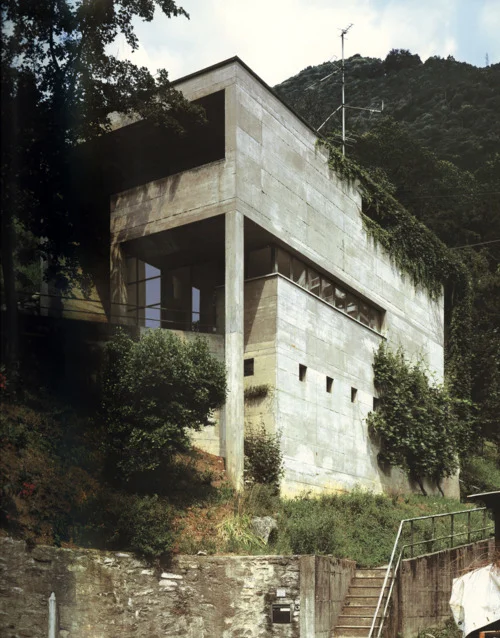
Luigi Snozzi - Casa Kalmann, Brione sopra Minusio 1976. From my office archives
Beautiful
/
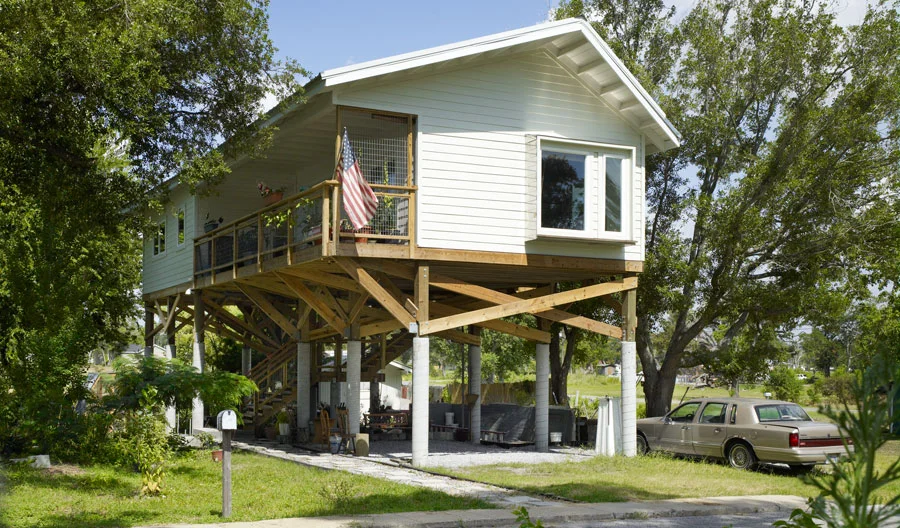
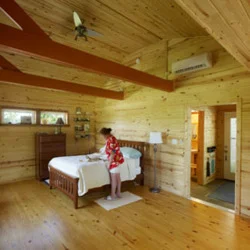
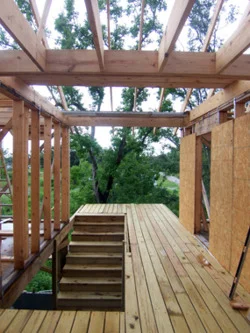
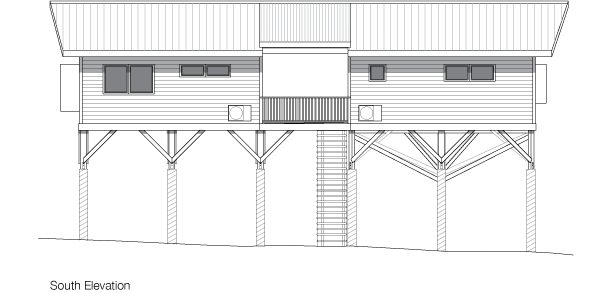
by The Gulf Coast Community Design Studio (GCCDS)
The GCCDS is a professional service and outreach program of Mississippi State University’s College of Architecture, Art + Design. The GCCDS was established in Biloxi, Mississippi in response to Hurricane Katrina to provide architectural design services, landscape and planning assistance, educational opportunities and research to organizations and communities along the Mississippi Gulf Coast.
The GCCDS works through close, pragmatic partnerships with local organizations and communities. In Biloxi, the GCCDS shares work space with a key local partner, the Hope Community Development Agency – a relationship that brings the office into direct and continuous contact with the community’s needs and resources. The GCCDS works with non-profit organizations, local governments, universities, developers and other partners in all three of Mississippi’s coastal counties, putting professional expertise to work in order to shape vibrant and resilient Gulf Coast communities.
/
by Bruce Johnson’s architecture studio at the University of Kansas
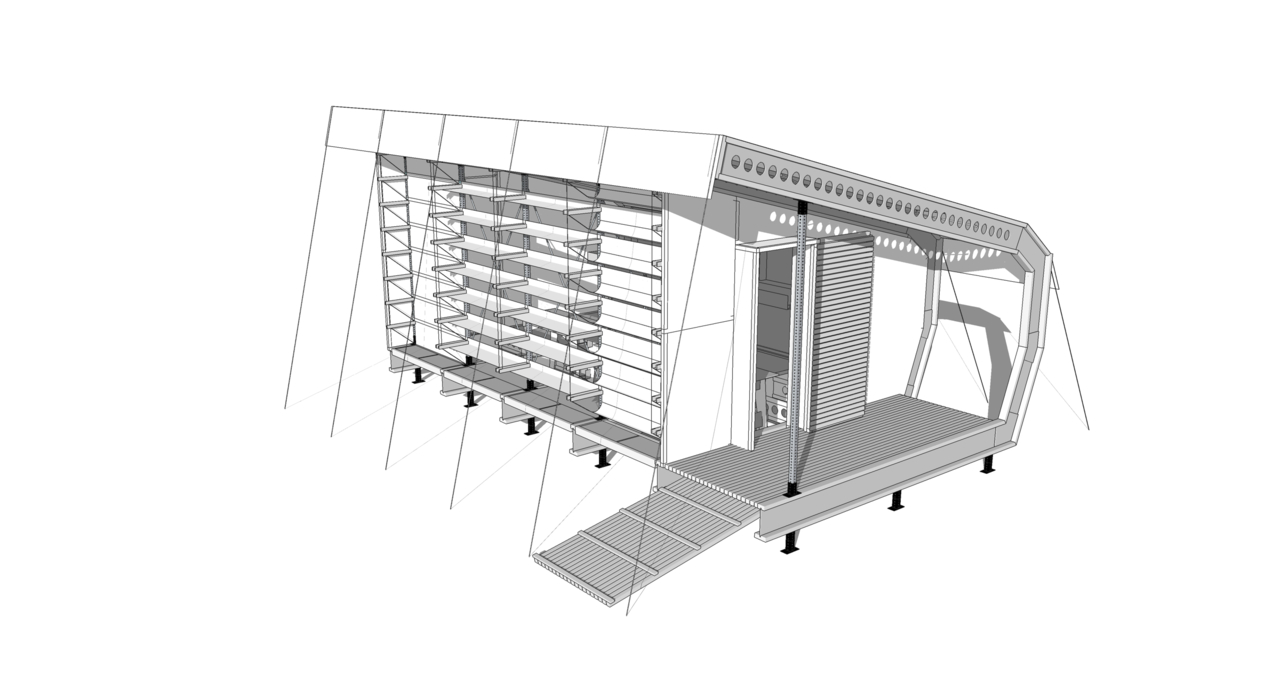
The 4:10 House is a disaster relief shelter designed to accommodate people who have been displaced from their homes due to natural disasters. Different solutions are used all over the world when it comes to housing disaster victims or refugees many are of poor quality and lack the fundamental elements of a home.
The 4:10 House is a modular shelter built of OSB (oriented strand board) and a vinyl fabric. Its structure consists of a series of 4x10 foot bays that can be easily added to create different sized shelters to accommodate different amounts of people. Each bay consists of C shaped ribs and a floor that attaches similar to a drawer making for easy assembly and deployability. All of the members are light weight and can be set up into an entire shelter in less than 5 hours.
The south facing wall is made of operable louvers allowing the inhabitants to control their surrounding environment. The floor allows for storage underneath the shelter and also contains “flat pack” furniture that can be taken out and set up when needed, allowing for the space to be easily cleared by placing the tables and chairs back into the floor. Bunk style beds fold down from the back wall and contain a shelf where pieces of a passive solar heating water element can be placed to provide heat at night.With an exterior skin made mostly of fabric, insulation was a large concern. Packing peanuts were used in the two end walls formed by a 2x4 frame wrapped in vinyl to provide insulation from the cool winds of most moderate climates. The ultimate goal would be to make these shelters adaptable to any climate all over the world.


/
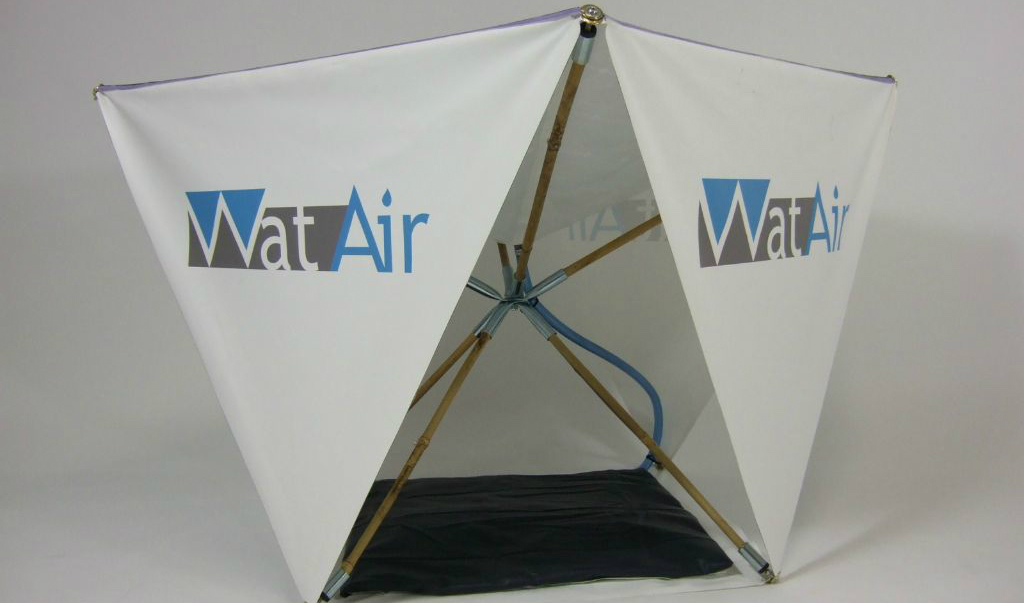
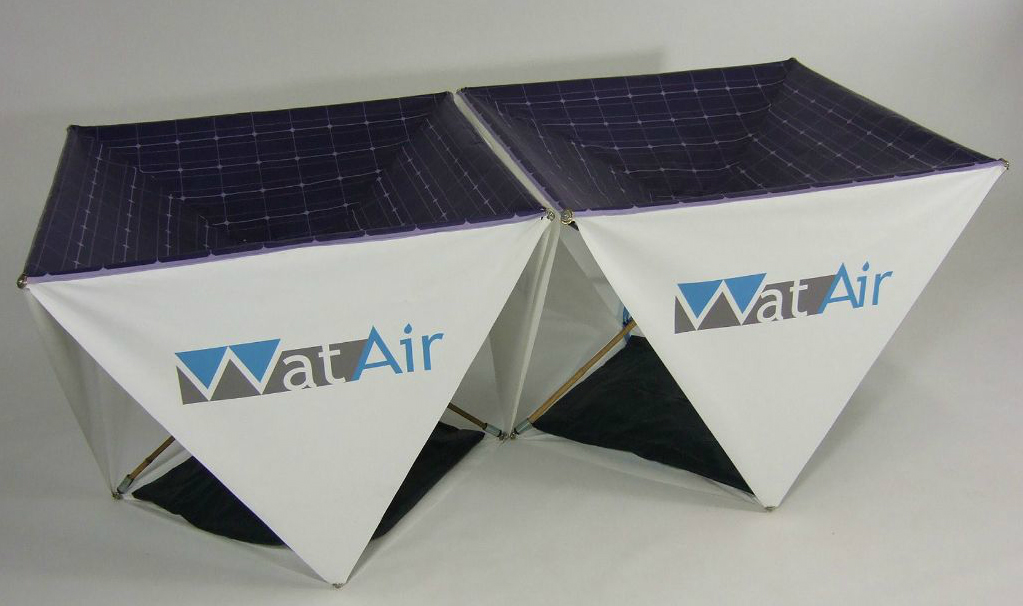
WatAir
by GEOTECTURA Architectural Studio
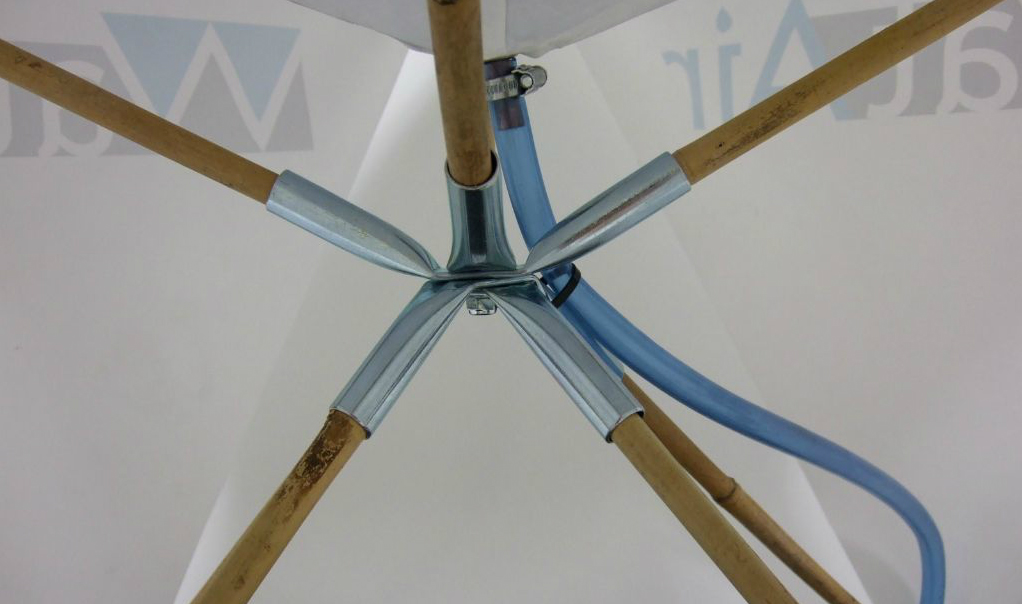
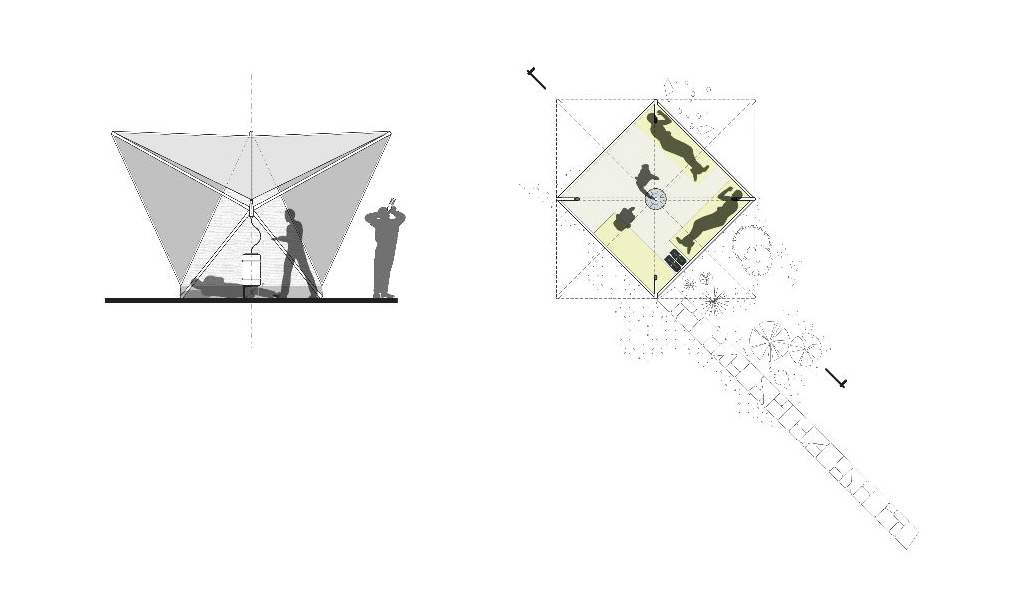
With an ever increasing world population, water has become a diminishing resource. WatAir was designed to provide a daily source of water to victims of natural disaster or otherwise in need. The system would be distributed by aid agencies and takes one person three minutes to assemble. WatAir collects water from dew, rainfall, rivers, or ground water. The local community benefits from a design which they learn to recreate eventually becoming independent of continued water aid.
The product comes in two main parts, a frame and a funnel. This initial set of components can be replaced or repaired over time using local materials and the newly learned knowledge on water harvesting and storage.
/

softshelter · a solution to homelessness caused by disaster
by molo
Softshelter is a system for creating personal space within a larger shelter area in order to provide individuals and families with a sense of privacy and encourage community-building in the days following a disaster. Softshelter is part of molo’s ongoing research-driven exploration of materials, fabrication techniques and space-making with a focus on enhancing common daily ritual and flexible use of space.
More photos here.


/

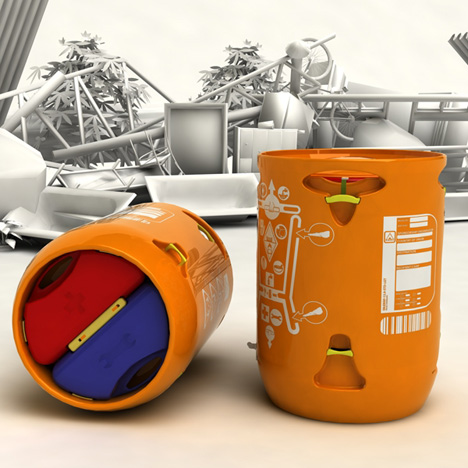
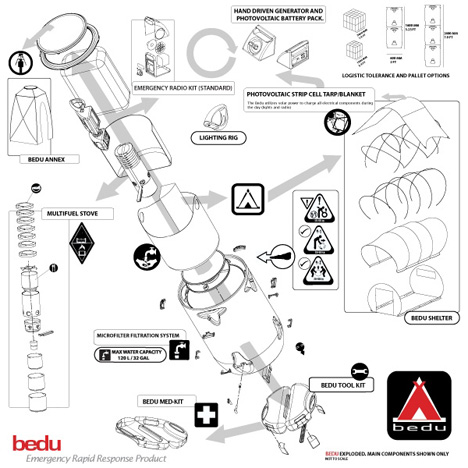
‘Bedu’ Emergency Rapid Response
by Toby McInnes
An estimated 157 million people were affected by natural disasters as of 2008. Globally it was estimated that 9 million refugees and over 25 million people were displaced due to 20 major conflicts raging around the world. A tsunami in 2004, the Pakistan earth quake 2005, 2006’s Hurricane Katrina in New Orleans 2006, and millions of climate change refugees over the horizon.
Current response mechanisms employed around the world are hap-hazard and often ill equipped for the scenario at hand.
‘Bedu’ emergency response pack proposes a quickly erectable rapid response, cross cultural, multi climate, solution that works within existing logistic models.
/

Shanghai At Night: A Growing City
The city of Shanghai sits along the delta banks of the Yangtze River along the eastern coast of China. The city proper is the world’s most populous city (the 2010 census counts 23 million people, including “unregistered” residents). With that many humans, the city is a tremendous sight at night.
Shanghai is a key financial capital for China and the Asian Pacific region. The bright lights of the city center and the distinctive new skyscrapers that form the skyline along the Pudong district (the eastern shore of the Huangpu River, a tributary of the Yangtze that cuts through the center of Shanghai) make for spectacular night viewing both on the ground and from space.
/
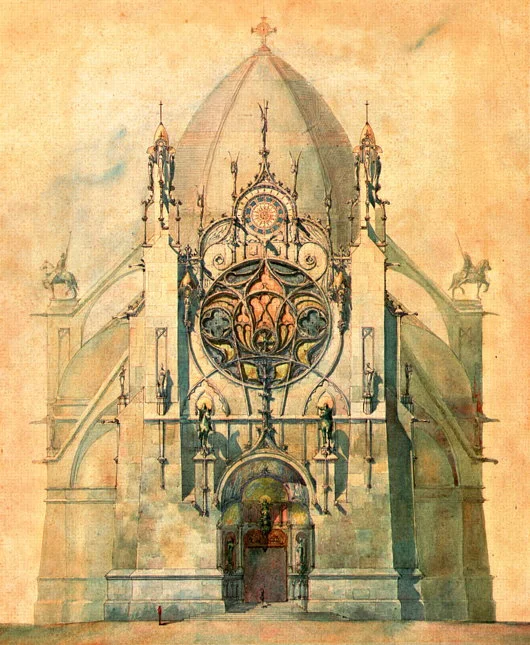
Competition entry for a church (1892), by Wilhelm Cornelis Bauer (Dutch, 1862–1904).
Read about this “architectural fantasist” and see more pictures of his proposed church here.
/
/
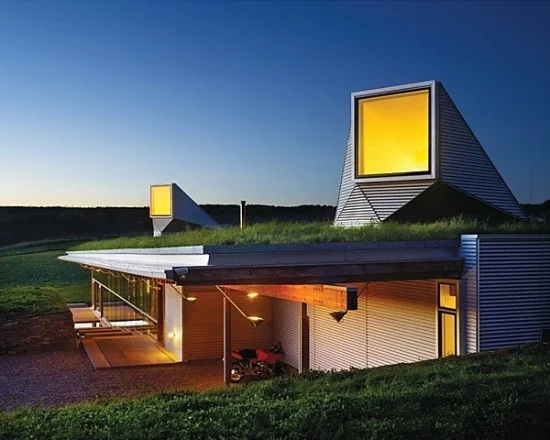
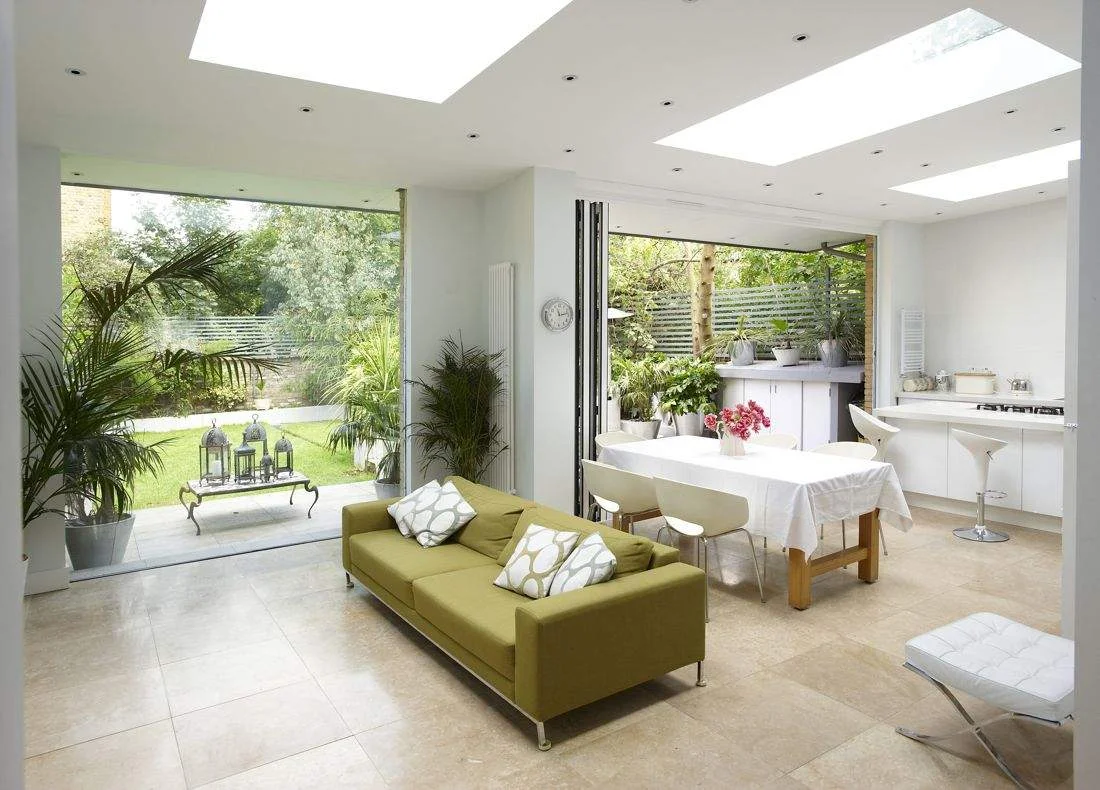
hillside house/ian macdonald
via: blueverticalstudio
/
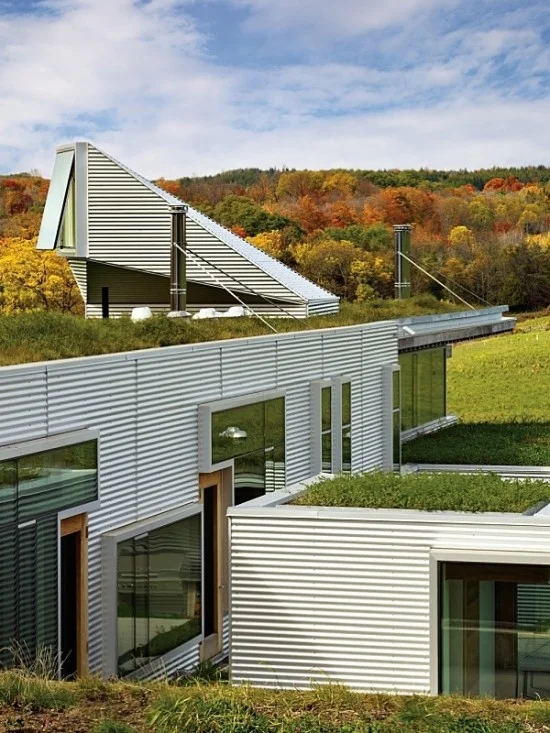
hillside house/ian macdonald
via: blueverticalstudio