/
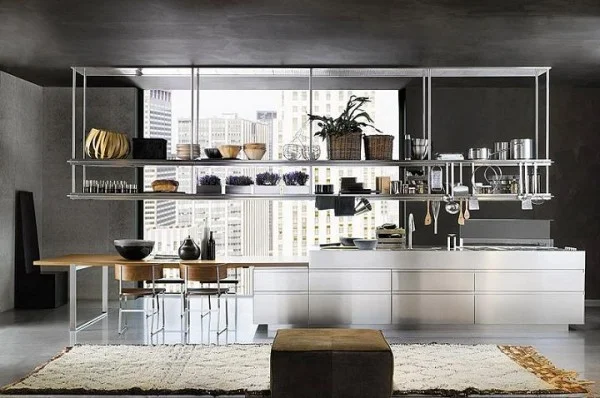
see more eyegasmic kitchens here
displayed on archiphile | facebook | twitter
/
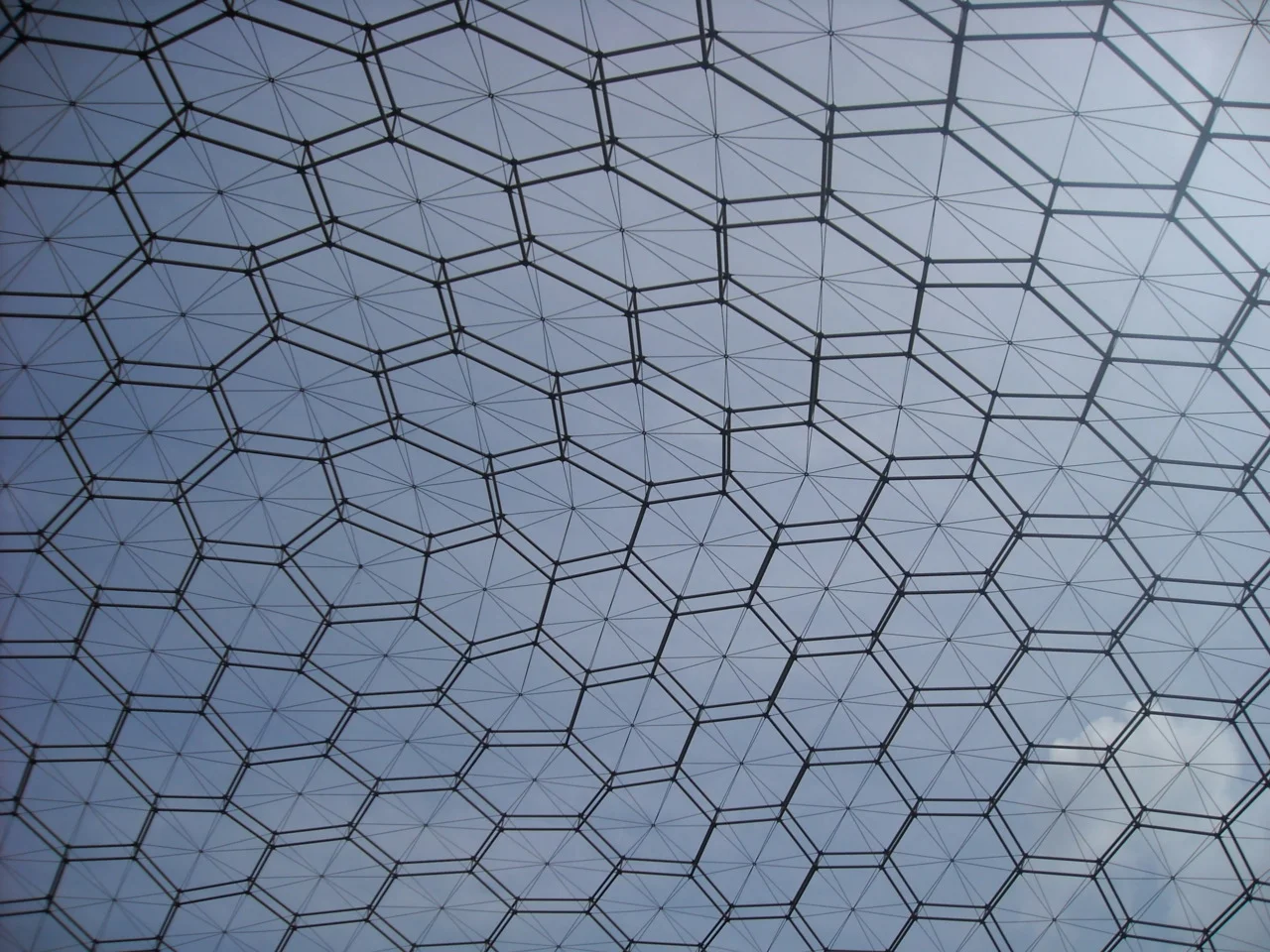
The Geodesic dome in Chesterland, Ohio.
/
/
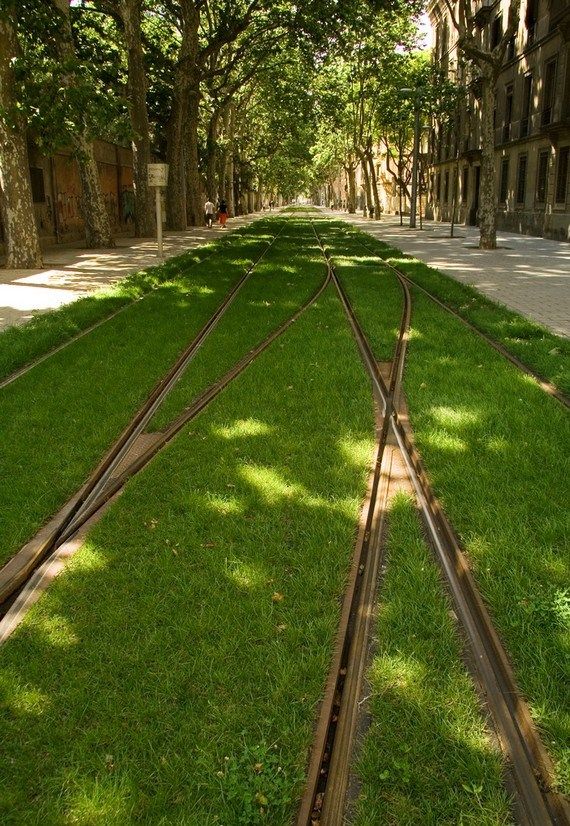
This needs to happen way more often
Europe’s Grass-Lined Tram Tracks
There’s something quite magical about watching trams in Barcelona, Strasbourg or Frankfurt glide silently along beds of grass as they do their city circuit. Where possible, this attractive combination of efficient public transport and inspired landscaping should be standard as part of the urban fabric. - Monocle Magazine
LOVE
via agpopovska: handa
/
/
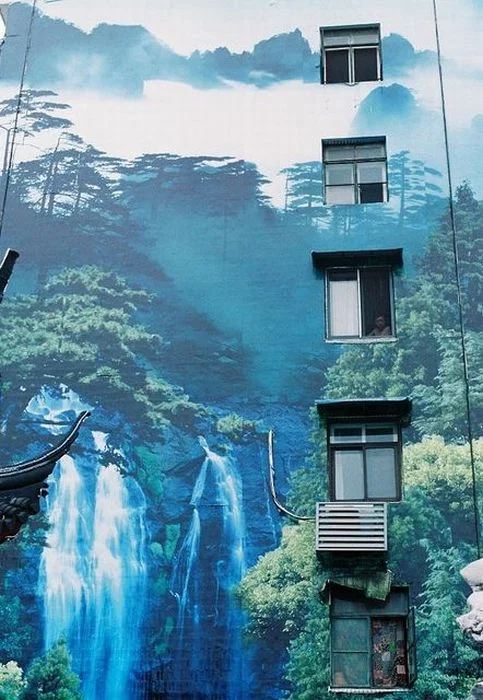
Okay, so when I say that I’m going to get my planning team together at university to work on a project like this; it means I’m damn well going to do it. This video is fantastic.
/
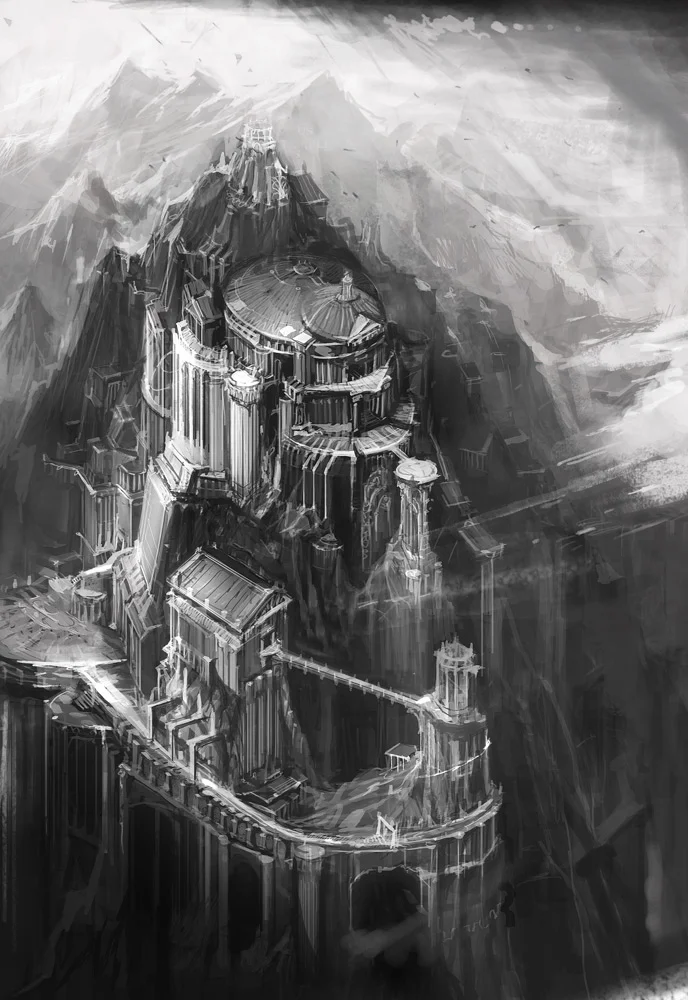
Artwork by Cecil Kim (Square Enix Artist)
/
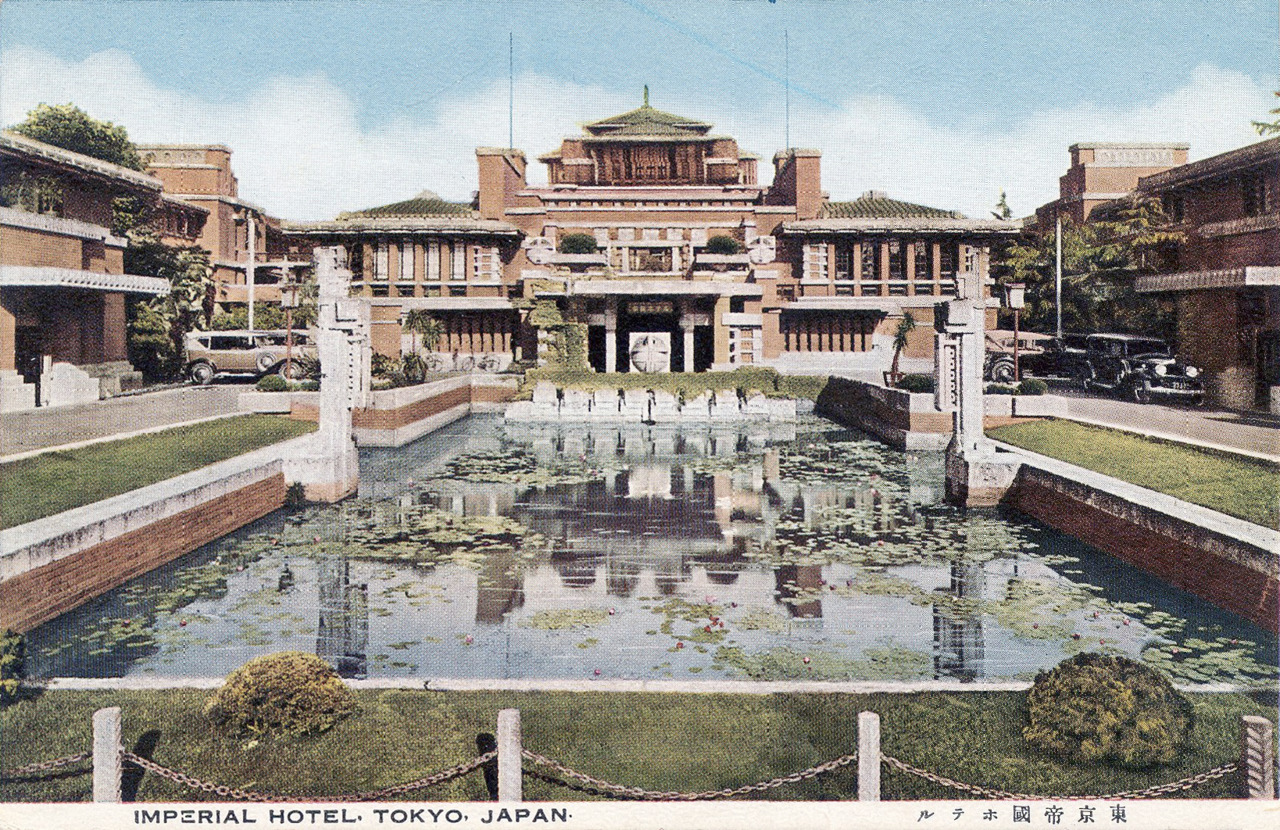
Tokyo Imperial Hotel, Tokyo, Japan
Historic PostcardDesigned by Frank Lloyd Wright in the Mayan Revival style. Built 1915-1923, the hotel survived the great 1923 earthquake as well as World War II. Eventually it sank into decay and today it’s gone but parts of it were disassembled and rebuilt at the Museum Meiji Mura near Nagoya.
/
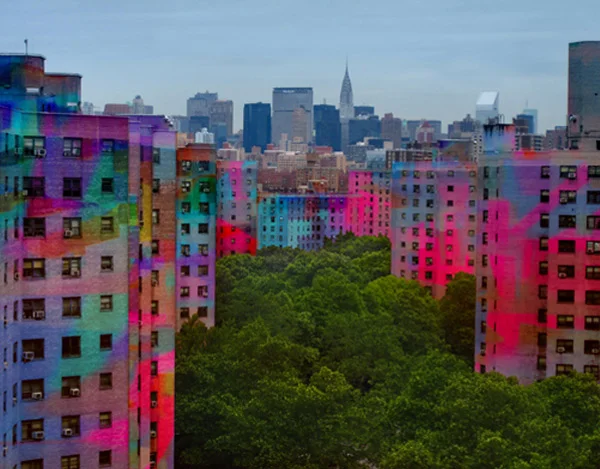
What would NYC’s low-income red-brick housing would look like with a neon paint job? Here’s a rendering by Dutch artists Haas&Hahn, who create large-scale murals in Brazil’s favelas. More over here.
/
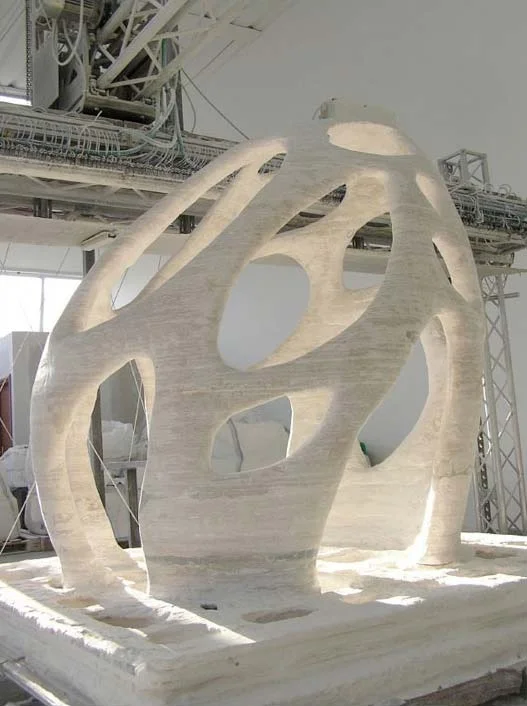
3D Printing Device Could Build Moon Base from Lunar DustFuture astronauts might end up living in a moon base created largely from lunar dust and regolith, if a giant 3-D printing device can work on the lunar surface. The print-on-demand technology, known as D-Shape, could save on launch and transportation costs for manned missions to the moon. But the concept must first prove itself in exploratory tests funded by the European Space Agency (ESA).
D-Shape has created full-size sandstone buildings on Earth by using a 3-D printing process similar to how inkjet printers work. It adds a special inorganic binder to sand so that it can build a structure from the bottom up, one layer at a time. The device raises its printer head by just 5 to 10 millimeters for each layer, moving from side to side on horizontal beams as well as up and down on four metal frame columns.
Finished structures end made out of a marble-like material that’s superior to certain types of cement. The buildings do not require iron reinforcing. Such a concept might help future lunar colonists live off the land, as well as provide thick-walled structures that protect against solar storms or micrometeorites. D-Shape offers the added attraction of having a somewhat straightforward building process that does not require huge amounts of construction machinery or many robot laborers.
Space agencies have already begun testing other technologies meant to mine water and oxygen from the lunar regolith. NASA scientists have also played with possible recipes for a sort of lunar concrete based on moon dust.
Image: This 2-meter-tall gazebo was built with D-shape 3-D printing technology. The monolithic sandstone structure was made of about 200 thin layers and was designed to look like a micro-organism called Radiolaria. The structure in the background, overhead, is the printing device.
Source: SPACE.com
/
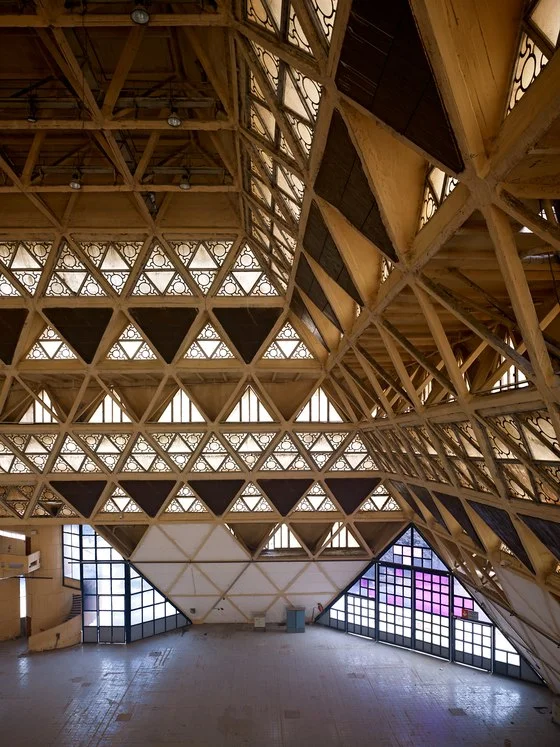
Raj Rewal - Hall of Nations, New-Delhi 1972; a space-frame in reinforced concrete. Via.
/

I imagine myself rocking and rocking and rocking… while being green and sustainable :)
/

always reblog
/
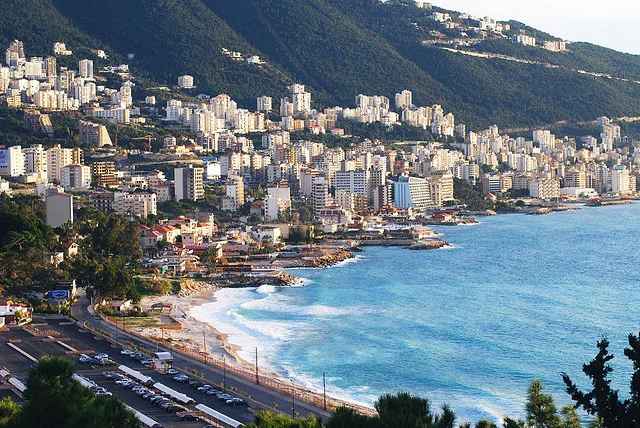
Lebanon.
/

/
/
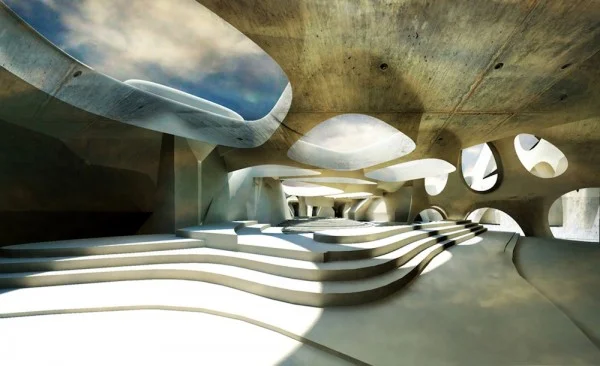
The unseen and seen beauty of concrete, culture and sustainability in Ismailia, Egypt. (Kadri Kerge, Jelena Vukmirovic, and Melanie Kotz)
/
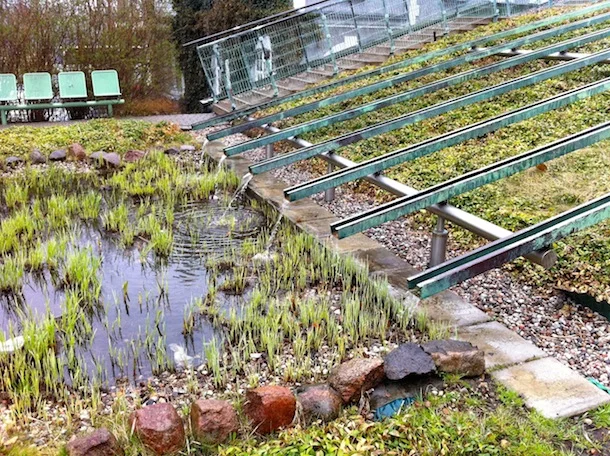
Green roof, “University of Warsaw’s library – a building with a green roof
so impressive it is essentially a captivating urban park on top of a
building.”This Big City, ‘Is the World’s Greatest Green Roof in Warsaw, Poland?’