/
/
/

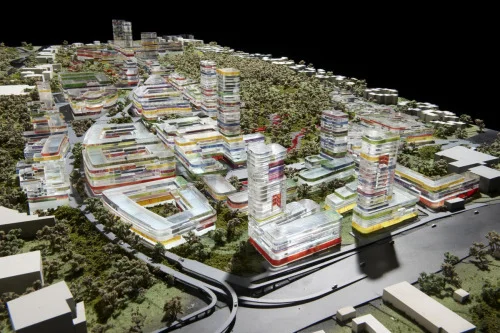
MOCAPE Shenzhen by Serero,
AUTOLITH
MOCAPE, Museum of Contemporary Art & Planning Exhibition Shenzhen
International Competition – Finalist 2007
Site: Shenzhen
Client: City of Shenzhen, China
Area: 80 000 m2
Cost: 65 000 000 Euros H.T
Design Team : SERERO Architects (David Serero, Anthony Cheung, Nordine Chevalier, Alice Sabatier, Fabrice Zaini)
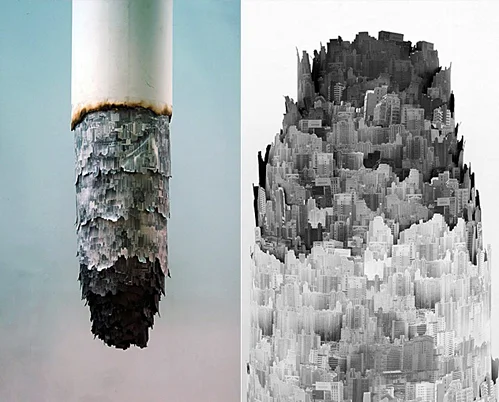
Gongshi (or Scholar’s Rocks) is the term for stones that were collected by Chinese scholars because they resembled mountains (both famous and imaginary) and similar natural wonders of the world around. They represented a focus for meditation of religious or philosophic principles and served for contemplation prior to writing poems or painting. Chinese learned to admire the rocks for “surfaces that suggest great age, forceful profiles that evoke the grandeur of nature, overlapping layers or planes that impart depth, and hollows or perforations that create rhythmic, harmonious patterns.” For over 1,000 years, Chinese literati and Taoist monks often brought these mountains into their studios for meditation and contemplation while they wrote or painted.
via ds13.uforg.net
/
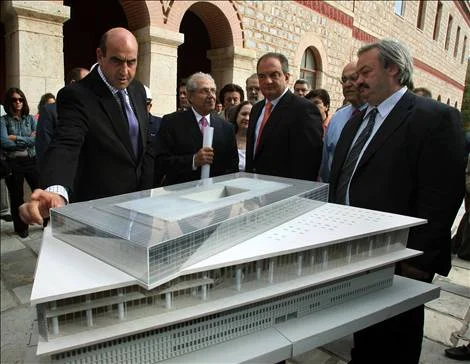
The New Acropolis Museum, Athens, Greece
/
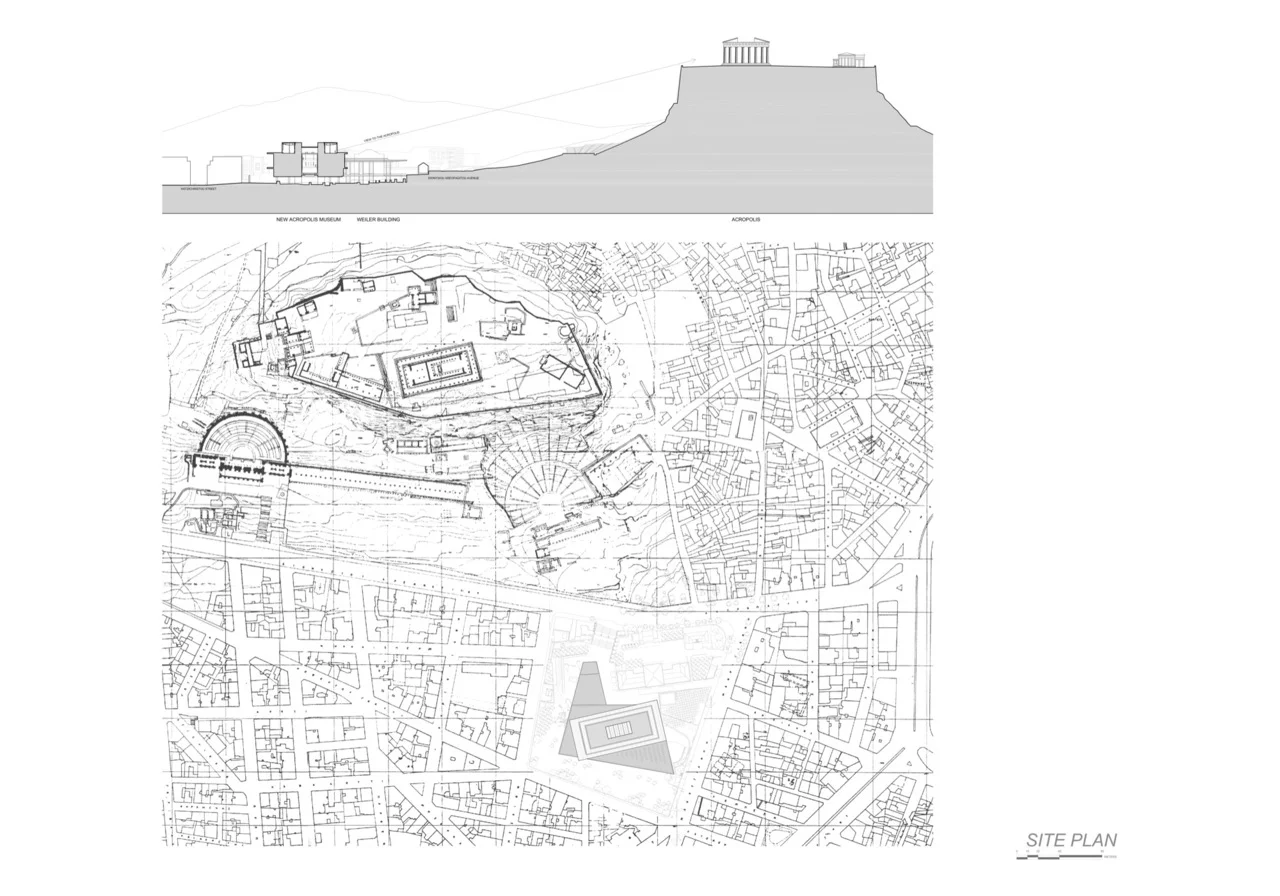
Located in the historic of Makryianni district, the Museum stands less than 1,000 feet southeast of the Parthenon. The top-floor Parthenon Gallery offers a 360-degree panoramic view of the Acropolis and modern Athens. The Museum is entered from the Dionysios Areopagitou pedestrian street, which links it to the Acropolis and other key archeological sites in Athens.
Section
first floor plan
third floor plan


/
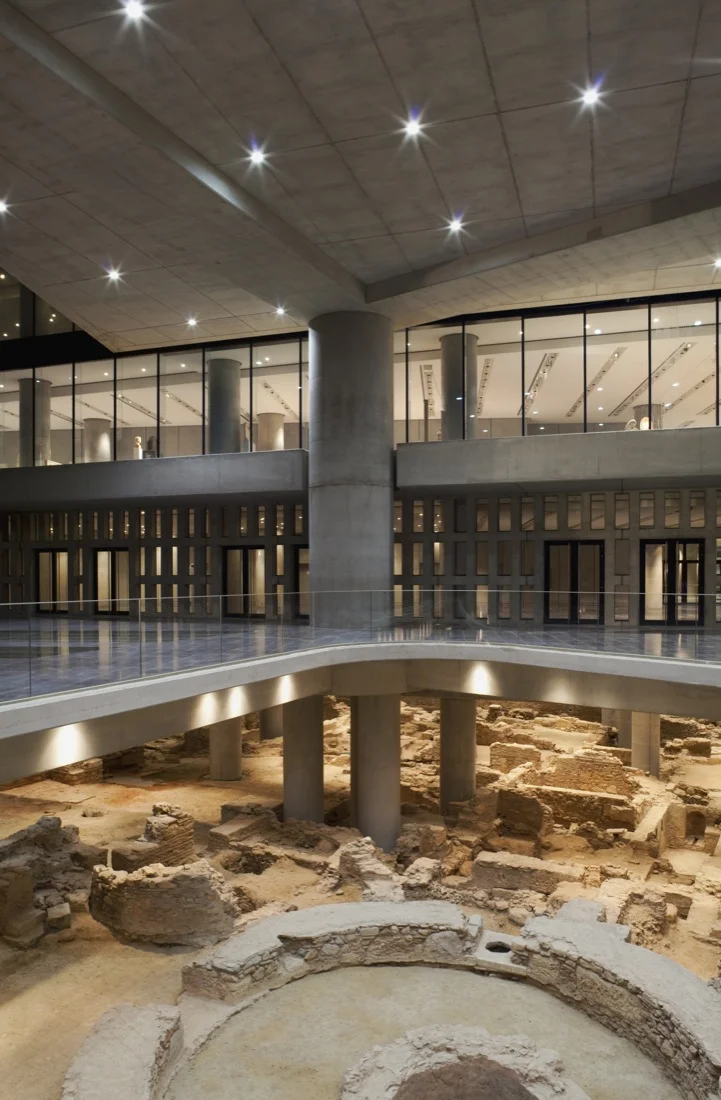
New Acropolis Museum by Bernard Tschumi Architects
/
/
/
/
/
/
MOCAPE Shenzhen by Serero,
AUTOLITH
MOCAPE, Museum of Contemporary Art & Planning Exhibition Shenzhen
International Competition – Finalist 2007
Site: Shenzhen
Client: City of Shenzhen, China
Area: 80 000 m2
Cost: 65 000 000 Euros H.T
Design Team : SERERO Architects (David Serero, Anthony Cheung, Nordine Chevalier, Alice Sabatier, Fabrice Zaini)
Gongshi (or Scholar’s Rocks) is the term for stones that were collected by Chinese scholars because they resembled mountains (both famous and imaginary) and similar natural wonders of the world around. They represented a focus for meditation of religious or philosophic principles and served for contemplation prior to writing poems or painting. Chinese learned to admire the rocks for “surfaces that suggest great age, forceful profiles that evoke the grandeur of nature, overlapping layers or planes that impart depth, and hollows or perforations that create rhythmic, harmonious patterns.” For over 1,000 years, Chinese literati and Taoist monks often brought these mountains into their studios for meditation and contemplation while they wrote or painted.
via ds13.uforg.net
/
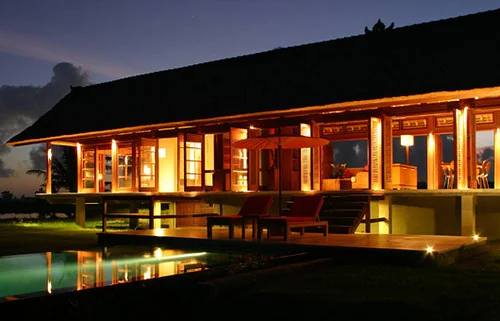
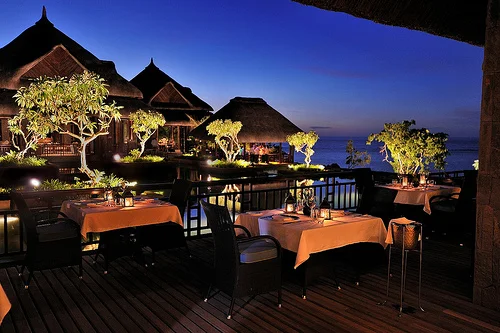
Villa Sawah – Ubud
Architect Darren Westell from Kolektor Bali explores this home in the rice fields of Bali.
Think of Bali and thoughts of great surf beaches and spectacular sunset vistas instantly spring to mind. At some stage though, inevitably, you are bound to hit on the rice paddy landscape as the quintessential Bali image.
Nowhere else in the world does the rice field, or Sawah, serve as such a potent backdrop to the built form. Using this as a platform, architect Guy Morgan has crafted a unique piece of architecture just outside the mountain enclave of Ubud.

Villa Sawah, completed in late 2003, sits as an example of a building with true connection to site. Access to the villa is purposely limited to exclude the usual drive-up approach by car or even bike.
Its striking elevated position above the landscape allows for minimal impact on the surrounding productive rice fields and all-important traditional irrigation system. In addition, it has provided the opportunity to cleverly conceal all services under the house, but more importantly, enhance views onto the surrounding landscape and accentuate sight lines of mountains and river forests further into the distance.
“Balinese almost never build their houses in the middle of the rice fields, so a compound did not seem appropriate,” Guy says. “Instead I drew references from the agricultural buildings in the area (mainly battery chicken farms), and of course the traditional long house.” This in itself generates a unique personality for the project and something that the owner, who has a strong affinity with Indonesia and the region, specifically wanted to see as part of the final composition.
In Villa Sawah there exists the perfect blend between site and internal space, light and shade, form and scale and the unique ability to live and work in one of the most tranquil of Balinese settings.


/
/
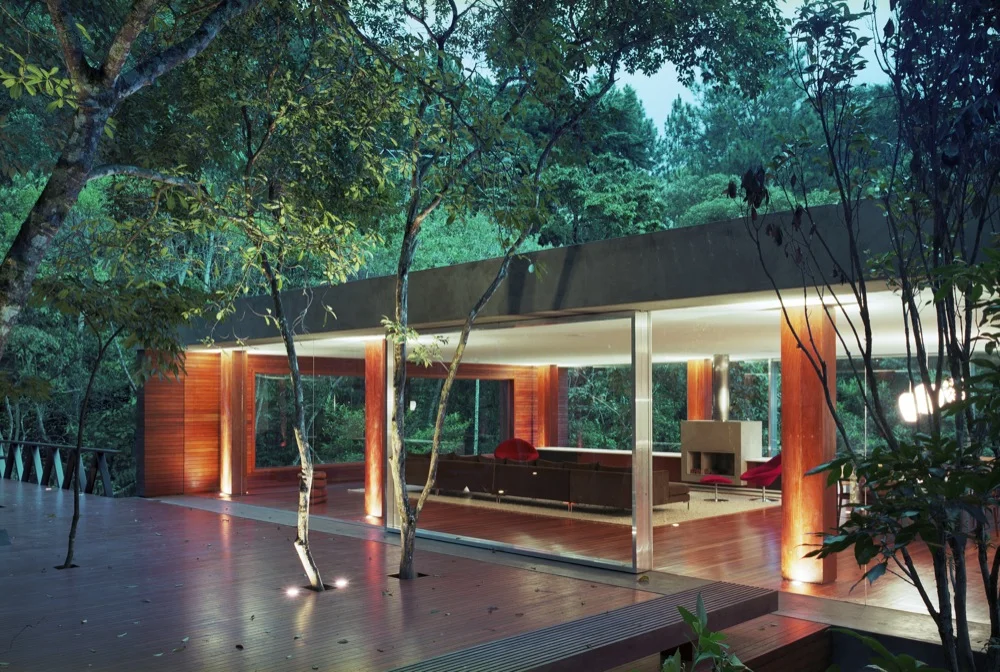
“BR House” in Rio de Janeiro, Brasil by Marcio Kogan
/

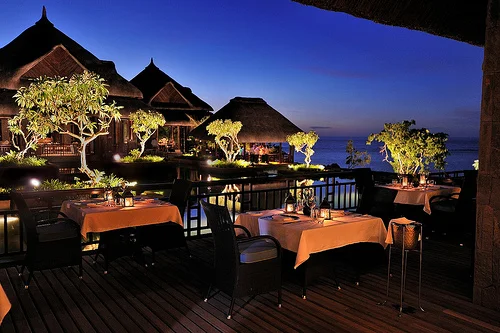
Villa Amanzi by Original Vision
/
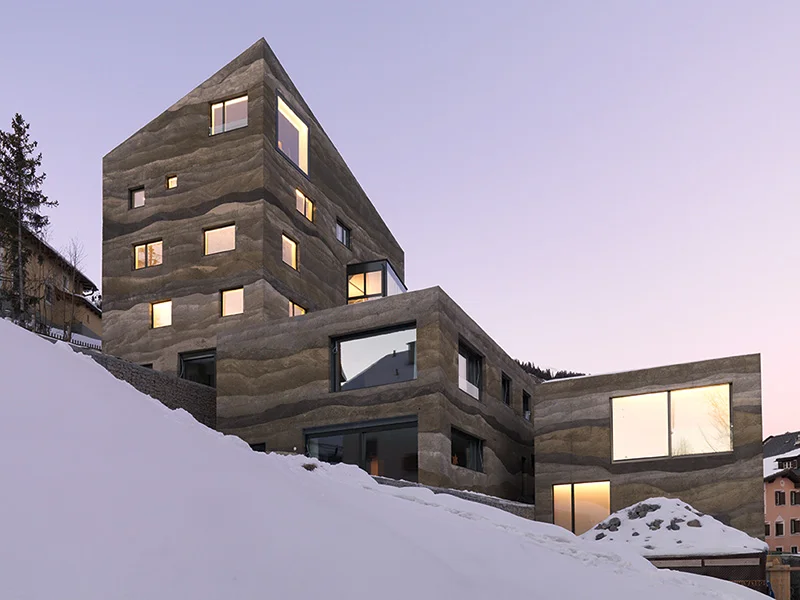
Lazzarini Architekten - Colored bands of soil at the rammed-earth residential development in Sameden, 2007. The small cluster of apartments are staggered along the steep sloping site, separated by small passageways that reference the thin alleyways of the nearby historic center. The waving layers of rammed-earth imply a geological history; giving the building the appearance of an archeological relic dug from the earth, rather then a new building placed on it. (Image via. Thanks to BFC for bringing it to my attention).
/
just… oh my god